Gifts From The Magi
Colloidal Gold & Ancient Essential Oil Body Spray
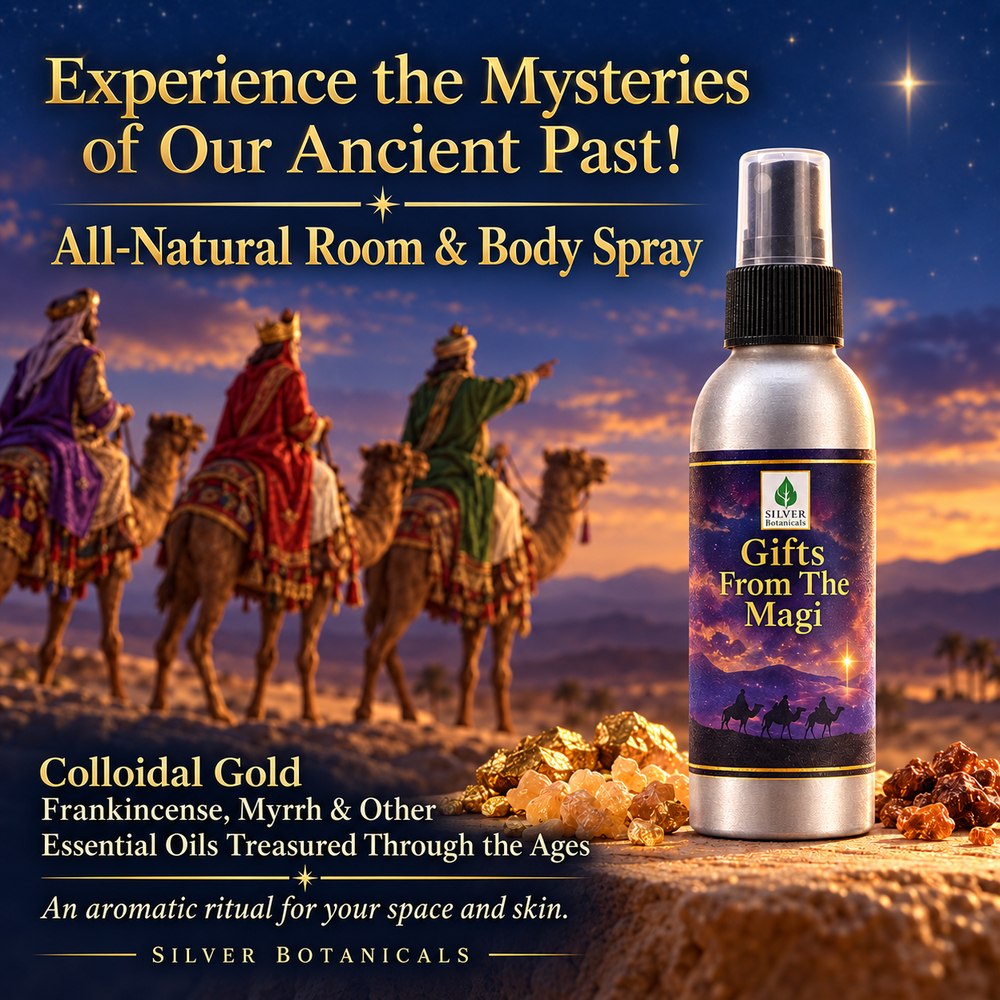
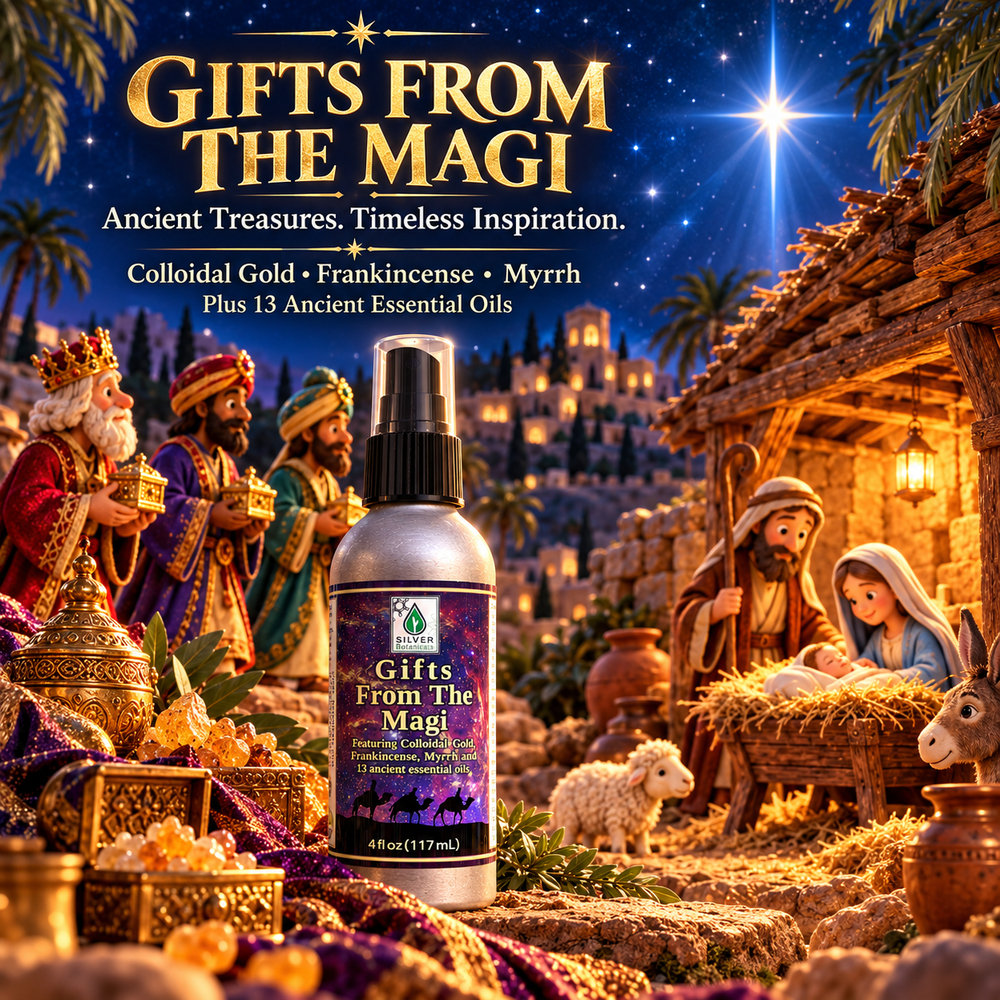
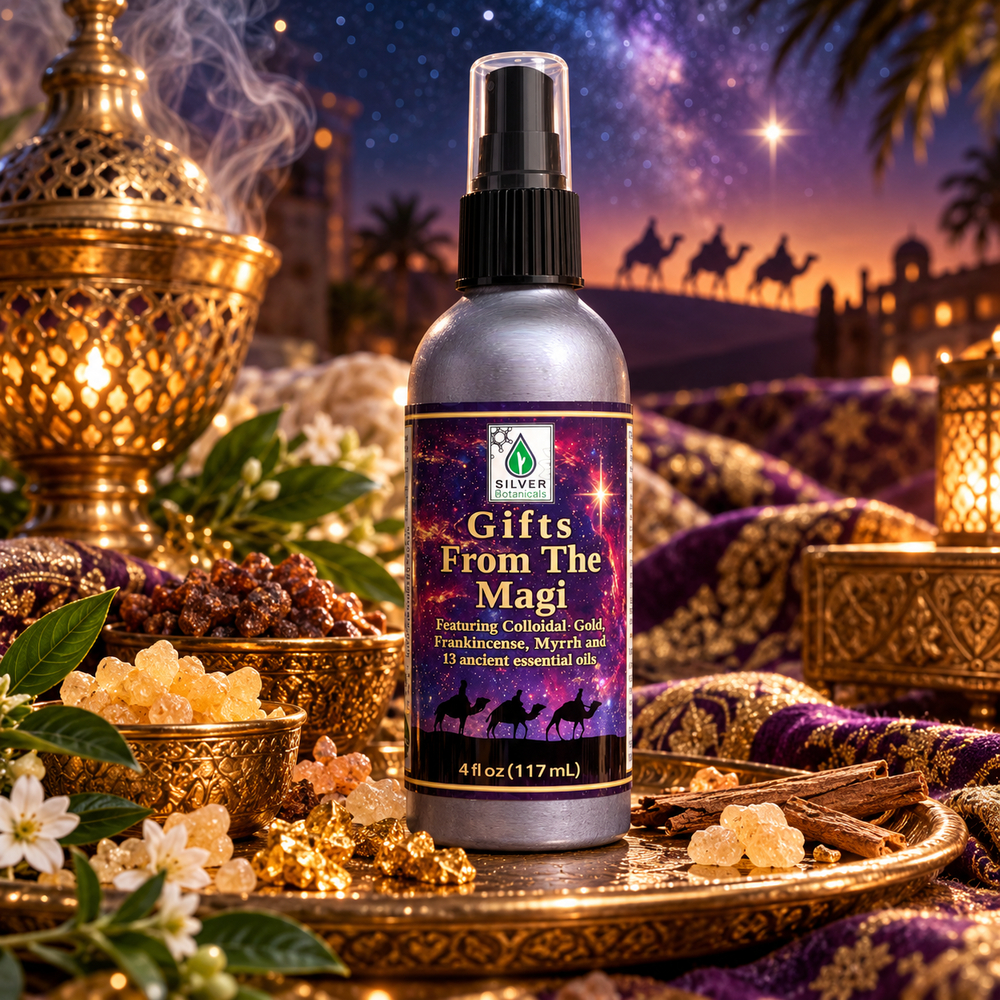
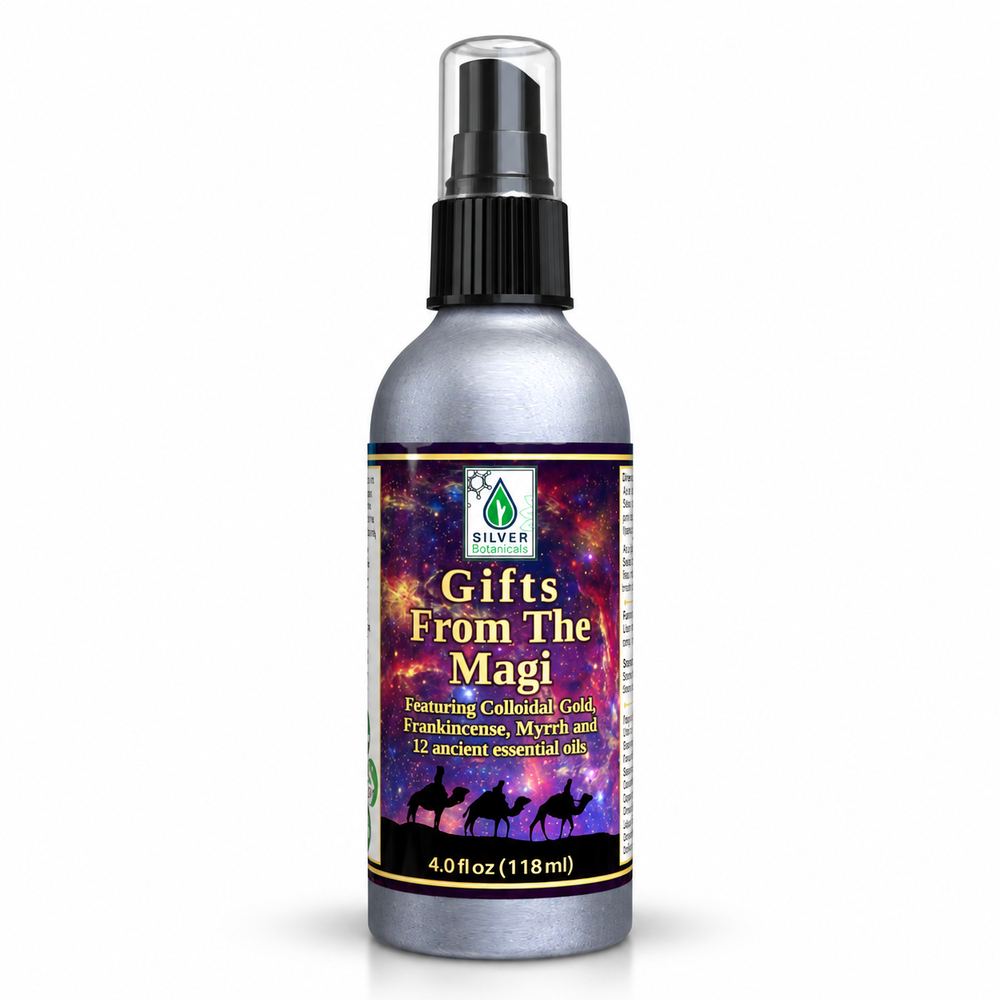
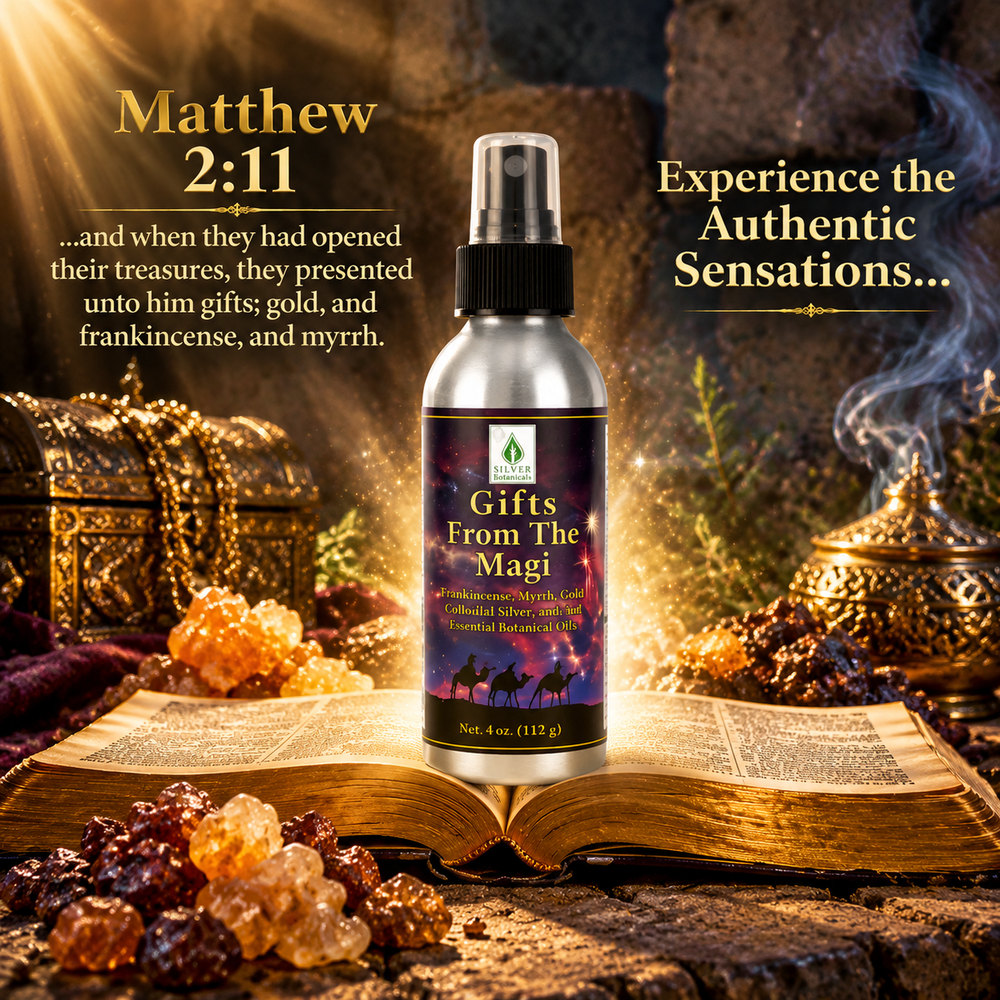

A sensual experience of highly prized, ancient essential oils & colloidal gold
Since ancient times, mankind has prized a select few materials. Notable examples of such materials include gold & essential oils. Gold, well it's money, and man has always sought wealth. It was also believe to be imbued with special properties beyond those of its amazing physical and chemical properties we know today. Essential oils, however, were treasured for their medicinal value and ability to elevate environments and individuals with their mood-altering, exotic scents. Pharaohs of ancient Egypt where buried with literally tons of gold and essential oils. The most famous story illustrating the historical status of these materials is written in the Bible. Where it is told of “Magi from the east” bringing gifts of Gold, Frankincense, and Myrrh to the newborn Jesus. Whether or not the Frankincense & Myrrh were in the form of an essential oil can be debated. What is not debated is the importance of these essential oils to the people of antiquity.
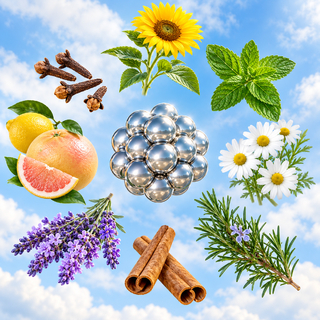
Gifts From the Magi is an unique formulation that contains an olfactory-charming blend of Frankincense, Myrrh and 12 other ancient essential oils along with true, colloidal gold. Literally trillions of tiny gold particles and an explosion of scents are released in every spray. Gifts From the Magi allows you to connect with the past in a unique and powerful way by experiencing the authentic sensations of these most treasured materials of antiquity whose benefits are yet to be fully discovered. An all-natural, alternative to synthetic fragrances, air-fresheners, and body sprays with countless of inspired uses.
Made with prayer, hope, and gratitude; our hope is that Gift of the Magi may inspire moments of insight, imagination and self-reflection as to life, its mysteries, and our role in it.
Suggested Use
Mist yourself anytime, anywhere. Great for massage, spas, yoga, meditation, after a long days work. Use this mist in every room of your home, in your car, at the office, hotel, nursing homes, or hospital rooms. Does not stain clothes. Try it on your linens. Lightly mist pillow before sleep. Great atmosphere preparation before the arrival of guests. Use on hands and body to relieve dry skin and provide moisture to your skin. Great deodorizer for the bathroom.
Directions
- Shake well before use.
- Mist into air and/or onto body as desired (typically 5-10 sprays).
- Relax and enjoy.
Note: Avoid spraying in eyes & on delicate furnishings.
Treasured materials from nature
Gifts From the Magi allows you to connect with the past in a unique and powerful way. Experience the authentic sensations of some of the most treasured materials of antiquity whose benefits are yet to be fully discovered.
- Uses colloidal gold, frankincense and myrrh
- Plus, 12 other ancient, essential oils
- Uses true colloidal nanosilver
- Safe and effective. Moisturizes the skin
- 100% Natural Ingredients
- Vegan, gluten-free, non-GMO
- Alcohol, petrochemical, & propellant free
- Animal cruelty-free
- No synthetic fragrances
- Fine-mist sprayer with non-pressurized bottle
- Brushed-metal bottle to protect contents
Prized throughout the ages
For thousands of years, precious botanicals, aromatic materials, and metals have been treasured by civilizations across the ancient world for their remarkable fragrances, cultural significance, and ceremonial use. Inspired by this rich heritage, our "Gifts from the Magi" room and body spray blends timeless ingredients such as a blend of ancient essential oils and a touch of gold and silver into a sophisticated botanical fragrance. Many of these rare ingredients are mentioned in the Bible and were once reserved for temples, royal courts, sacred anointing oils, and treasured gifts, symbolizing honor, purity, celebration, and devotion. Their distinctive aromas have endured through generations, connecting modern life with traditions that span millennia. Every spray offers more than an inviting fragrance—it evokes the atmosphere of ancient marketplaces, fragrant gardens, and sacred places where these prized botanicals were among the world's most valued natural treasures. Crafted with respect for history and nature, this blend celebrates the enduring legacy of some of the most cherished materials of antiquity.
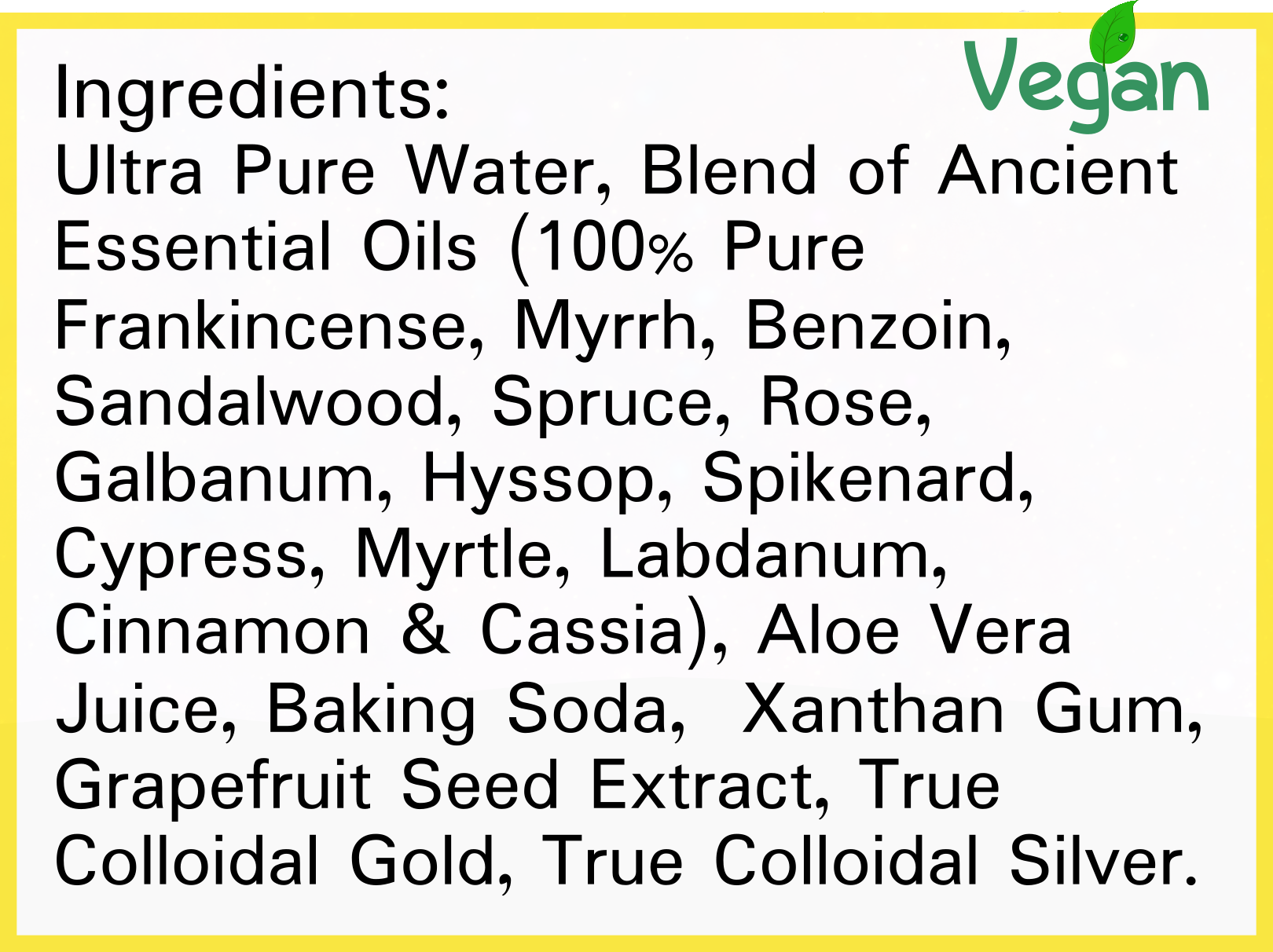
Gifts From The Magi Ingredients
Ultra Pure Water

Water is one of the most frequently referenced substances in the Bible and is associated with creation, cleansing, renewal, blessing, and life itself. It appears in many important biblical events, including the Creation story, the Flood of Noah, the parting of the Red Sea, ritual purification practices, baptism, and Jesus’ teachings using water as a symbol of spiritual renewal.
- INCI name: Water
- Ingredient type: Solvent
- Method(s) of extraction or purification: Particulate Filtration, Activated Carbon Filtration, Reverse Osmosis Filtration, Ion Exchange Polishing, UV Disinfection
Interesting Fact(s): Ultra Pure Water is among the cleanest forms of water used in industry, with impurities such as dissolved minerals, organic compounds, microorganisms, and trace contaminants removed to extremely low levels. It is commonly used in high-precision industries such as semiconductor manufacturing, pharmaceuticals, and laboratory research.
Frankincense Essential Oil

Frankincense is repeatedly mentioned throughout the Bible as a sacred incense used in temple worship, offerings, and religious ceremonies. It was considered a precious aromatic resin and is also referenced as one of the gifts presented to Jesus by the Magi.
- INCI name: Boswellia Carterii Oil
- Ingredient type: Essential Oil
- Method(s) of extraction or purification: Steam-distilled from tree resin.
- Parts used: Resin
- Aroma: Warm, woody, balsamic, resinous, and lightly citrusy.
- Key constituents: alpha-Pinene, limonene, incensole acetate, beta-caryophyllene.
- Native region(s): Oman, Somalia, Ethiopia, and Yemen.
Interesting Fact(s): Ancient civilizations valued frankincense so highly that it was often traded at prices comparable to precious metals.
Myrrh Essential Oil
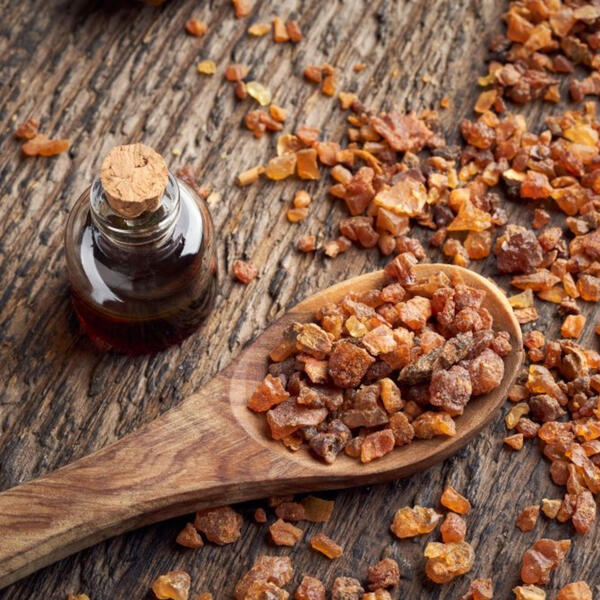
Myrrh is one of the most frequently mentioned aromatic substances in the Bible and was highly valued as an ingredient in sacred anointing oils, incense, perfumes, and royal preparations. It is famously referenced as one of the gifts brought by the Magi to Jesus in the New Testament and was associated with worship, purification, and honor.
- INCI name: Commiphora Myrrha Oil
- Ingredient type: Essential Oil
- Method(s) of extraction or purification: Steam distilled from myrrh oleo-gum resin
- Parts used: Resin (oleo-gum resin)
- Aroma: Warm, earthy/woody, and balsamic (often described as resinous, with a slightly smoky or medicinal-spiritual incense character).
- Key constituents: Furanoeudesma-1, 3-diene; furanodiene; lindestrene; plus related furanosesquiterpenes and sesquiterpenes depending on grade/adulteration/admixture.
- Native region(s): Native to arid regions of northeastern Africa / surrounding areas (commonly associated with Somalia/Ethiopia region in production).
Interesting Fact(s): Myrrh essential oil is typically obtained by steam distillation of the resin/gum, and the yield is relatively low compared with many other essential oils.
Benzoin Resinoid
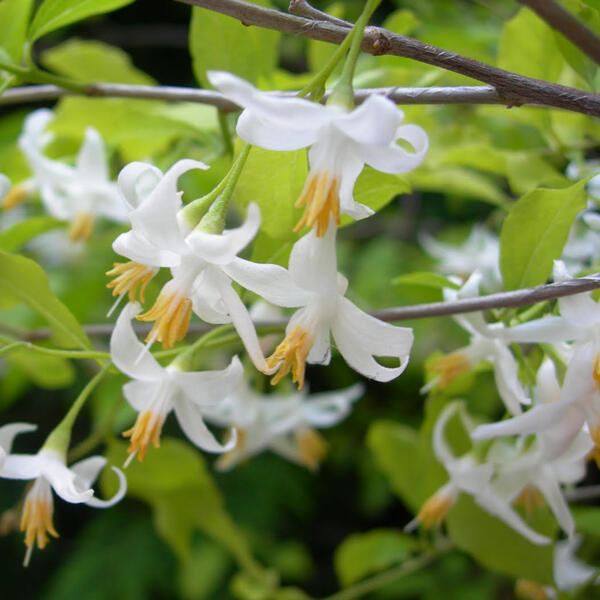
Benzoin resin has been harvested in Southeast Asia for more than 2,000 years and was widely traded along ancient spice routes for use in incense, perfumery, and ceremonial reparations. Benzoin resinoid became an important ingredient in European perfumery during the nineteenth century as extraction techniques improved.
Ancient/Biblical Background:Some scholars identify it as "onycha," one of the ingredients in the biblical sacred incense (ketoret) mentioned in Exodus 30:34, valued for its soothing and fixative properties.
- INCI name: Styrax Benzoin Resin Extract
- Ingredient type: Botanical Extract
- Method(s) of extraction or purification: Resinoid / Aromatic Resin Extract
- Parts used: Resin
- Aroma: Rich, sweet, balsamic, vanilla-like, resinous, and slightly spicy.
- Key constituents: Benzoic acid, benzyl benzoate, coniferyl benzoate, vanillin, cinnamic acid derivatives.
- Native region(s): Sumatra (Indonesia), Thailand, Laos, and Vietnam.
Interesting Fact(s): It also appears in older “balm” and ointment traditions: beyond burning, benzoin has been used historically in some traditional topical preparations (often as part of mixed compounds, not as a standalone remedy).
Sandalwood Essential Oil
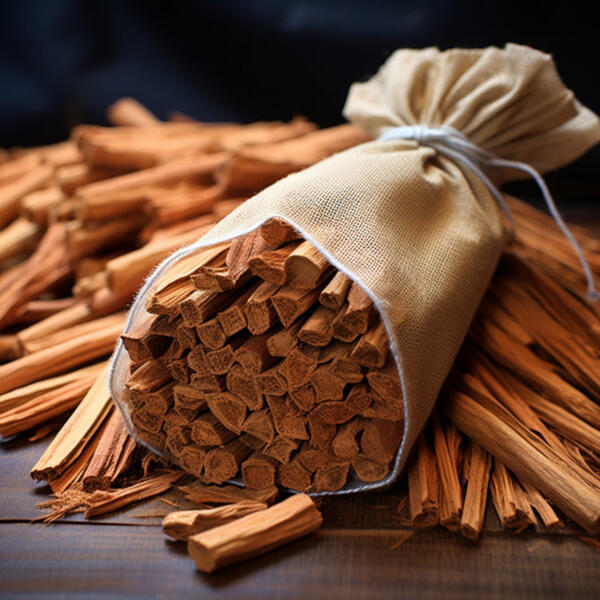
In the Bible, it is often equated with "aloes" (e.g., Song of Solomon 4:14; Psalm 45:8; Proverbs 7:17), symbolizing joy and used in anointing and burial preparations (John 19:39).
- INCI name: Santalum Album Oil
- Ingredient type: Essential Oil
- Method(s) of extraction or purification: Steam-distilled from mature heartwood
- Parts used: Heartwood
- Aroma: Rich, creamy, soft, woody, and warm with subtle sweetness
- Key constituents: alpha-Santalol, beta-santalol, santalenes.
- Native region(s): India and parts of Southeast Asia
Interesting Fact(s): A sandalwood tree typically must mature for 20–30 years before producing heartwood suitable for oil extraction.
Spruce Essential Oil
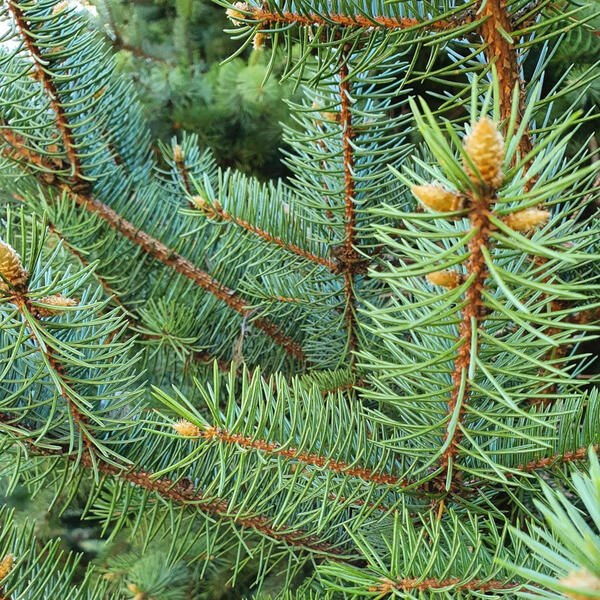
Spruce is not specifically mentioned in the Bible, although related evergreen trees such as cedar, fir, and cypress are referenced extensively. Evergreen woods were valued in biblical times for construction, aromatic materials, and symbolic associations.
- INCI name: Picea Mariana Oil
- Ingredient type: Essential Oil
- Method(s) of extraction or purification: Steam-distilled from needles and young twigs
- Parts used: Needles and twigs
- Aroma: Crisp, evergreen, woody, resinous, and reminiscent of a fresh conifer forest
- Key constituents: Bornyl acetate, alpha-pinene, camphene, beta-pinene, limonene, delta-3-carene, and borneol.
- Native region(s): Northern Europe and North America
Interesting Fact(s): Spruce tips have traditionally been used to make teas and syrups rich in naturally occurring vitamin C.
Rose Absolute
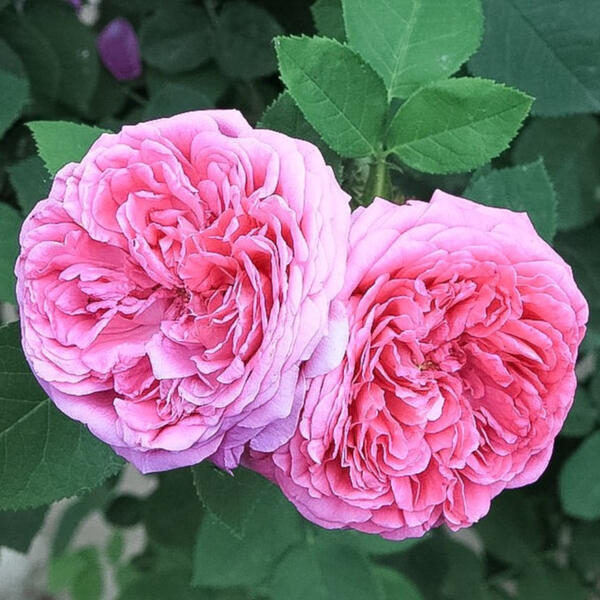
Roses are not clearly identified in the Bible, although some scholars associate certain biblical references to “flowers” or “lilies” with fragrant blossoms from the ancient Near East. Flowers and aromatic plants were valued in biblical cultures for beauty, symbolism, and perfumery.
- INCI name: Rosa Damascena Flower Extract
- Ingredient type: Absolute
- Method(s) of extraction or purification: Solvent extraction of rose petals
- Parts used: flowers
- Aroma: Rich, romantic, sweet, floral, and velvety with honey-like undertones
- Key constituents: Citronellol, geraniol, nerol, phenethyl alcohol, damascenones
- Native region(s): Bulgaria, Turkey, Morocco, and France
Interesting Fact(s): Approximately 3–5 tons of rose petals may be required to produce just one kilogram of rose absolute
Galbanum Essential Oil
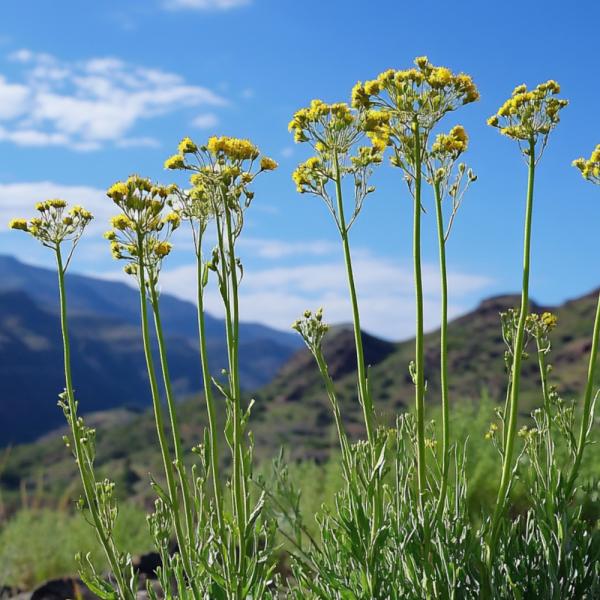
Galbanum is specifically mentioned in Exodus as one of the four aromatic ingredients used in the sacred incense of the Tabernacle. It was valued for its strong fragrance and was blended with other resins for worship and ceremonial use.
- INCI name: Ferula Galbaniflua Resin Oil (or related Ferula species)
- Ingredient type: Essential Oil
- Method(s) of extraction or purification: Steam-distilled from the aromatic resin.
- Parts used: Resin
- Aroma: Intensely green, earthy, resinous, and slightly bitter with fresh forest notes.
- Key constituents: alpha-Pinene, beta-pinene, sabinene, limonene.
- Native region(s): Iran, Afghanistan, and Central Asia.
Interesting Fact(s): The fresh, intensely green aroma of galbanum has led many spiritual practitioners to associate it with new beginnings, growth, and the renewal of both mind and spirit.
Hyssop Essential Oil
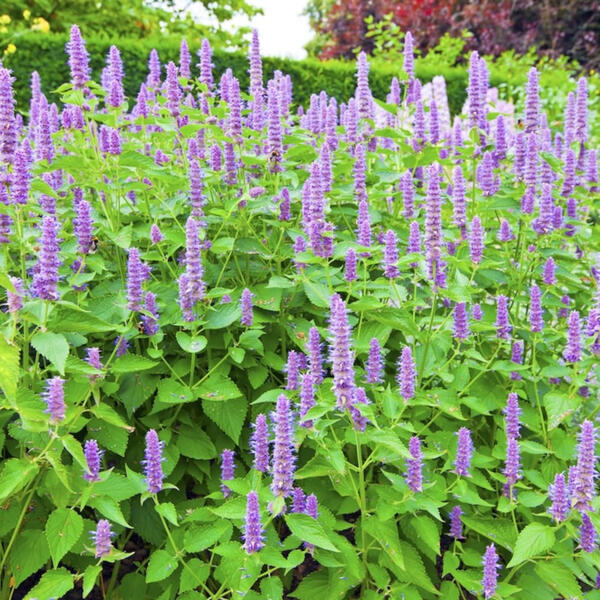
Hyssop is frequently mentioned in the Bible and was associated with purification, cleansing rituals, and ceremonial practices. It appears in passages involving ritual cleansing, including the Passover story and references to purification in the Psalms and New Testament.
- INCI name: Hyssopus Officinalis Oil
- Ingredient type: Essential Oil
- Method(s) of extraction or purification: Steam-distilled from flowering tops.
- Parts used: Leaves and flowers.
- Aroma: Sweet, herbaceous, camphoraceous, and slightly spicy.
- Key constituents: Pinocamphone, isopinocamphone, beta-pinene, limonene.
- Native region(s): Southern Europe and Western Asia.
Interesting Fact(s): Hyssop is mentioned multiple times in historical religious texts as a plant associated with ceremonial purification. In the Bible, hyssop is also tied to ceremonial and sacramental language—its use is about making something “clean” or “set apart.”
Spikenard Essential Oil
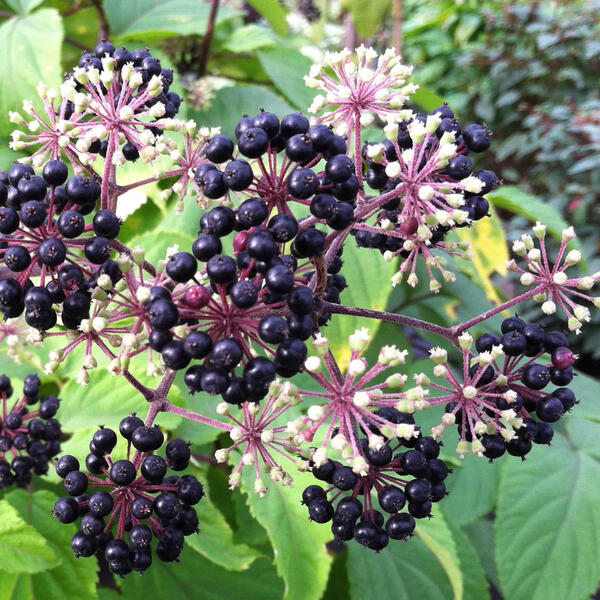
Spikenard (Nardostachys jatamansi) is directly mentioned in the Bible and was considered one of the most precious perfumes of the ancient world. It is referenced in the Song of Solomon and in the New Testament when Mary pours spikenard on Jesus' feet and wipes them with her hair.
- INCI name: Nardostachys Jatamansi Root Oil
- Method(s) of extraction or purification: Steam-distilled from the roots and rhizomes
- Parts used: Roots and rhizomes
- Aroma: Deep, earthy, woody, musky, and softly resinous
- Key constituents: Jatamansone, valeranone, patchouli alcohol, sesquiterpenes
- Native region(s): Himalayan regions of Nepal, India, and Bhutan
Interesting Fact(s): Spikenard is mentioned several times in the Bible as one of the most precious perfumes of the ancient world.
Cypress Essential Oil

Cypress trees have been cultivated throughout the Mediterranean for over
3,000 years and were revered by the Greeks, Romans, and Egyptians for
their durable wood and fragrant resin. Steam-distilled cypress
essential oil became commercially available during the nineteenth
century.
In the Bible, it represents strength and prosperity (Isaiah 41:19; possibly "gopher wood" for Noah's ark in Genesis 6:14), and is listed among revered biblical aromatics.
- INCI name: Cupressus Sempervirens Leaf/Nut/Stem Oil
- Ingredient type: Essential Oil
- Method(s) of extraction or purification: steam distillation
- Parts used: Needles, twigs, and cones
- Aroma: Clean, woody, fresh, evergreen, and slightly smoky
- Key constituents: alpha-Pinene, delta-3-carene, limonene, cedrol.
- Native region(s): Mediterranean Basin
Interesting Fact(s): Cypress wood is naturally resistant to decay, allowing some ancient structures and artifacts made from it to survive for centuries.
Myrtle Essential Oil
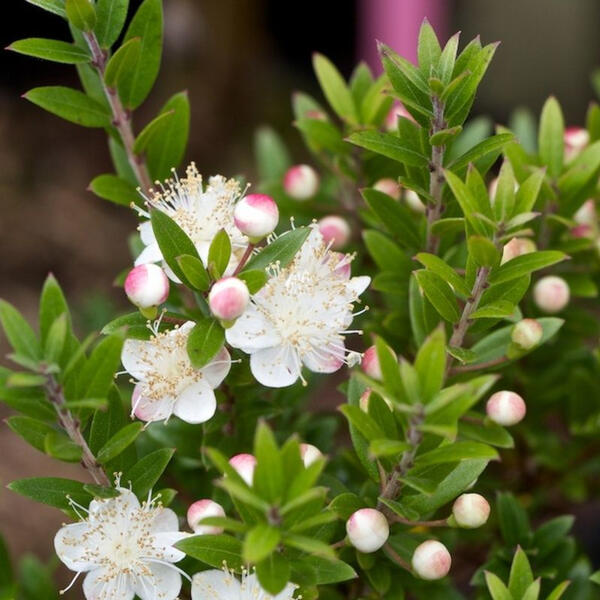
Myrtle is directly mentioned in the Bible as a symbol of blessing, restoration, and abundance. The prophet Isaiah references myrtle as a plant that would replace thorns in a restored creation, and it was also associated with beauty and celebration.
- INCI name: Myrtus communis Oil
- Ingredient type: Essential Oil
- Method(s) of extraction or purification: Steam-distilled from leaves.
- Parts used: Leaves
- Aroma: Fresh, green, herbaceous, slightly camphoraceous, with soft woody and subtly sweet balsamic notes.
- Key constituents: 1, 8-Cineole (eucalyptol), alpha-pinene, limonene, linalool, myrtenyl acetate, and geranyl acetate.
- Native region(s): Mediterranean region.
Interesting Fact(s): Myrtle (called Hadassah) is one of the plants used in the Feast of the Tabernacles tradition (with Hadassah standing for moral/spiritual qualities), and in Christian symbolism it became associated with purity (the Virgin Mary).
Labdanum Resinoid
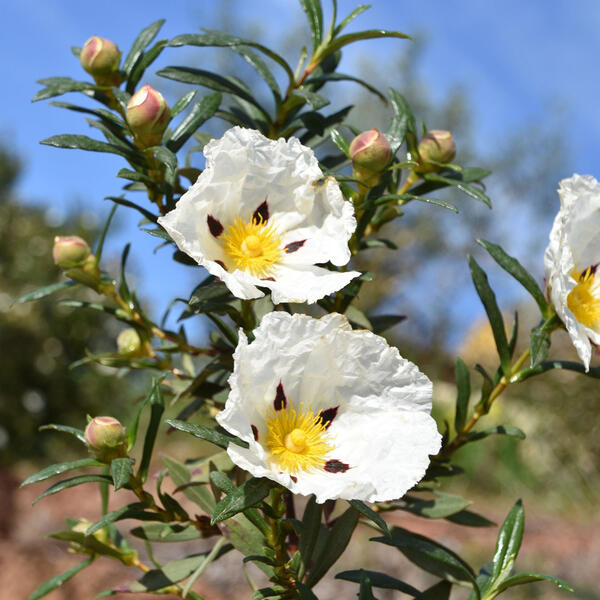
Some traditions identify it with biblical "onycha" or mixtures involving myrrh in the sacred incense (Exodus 30:34), prized for its deep, animalic warmth.
- INCI name: Cistus Ladaniferus Resin Extract
- Ingredient type: Resinoid / Absolute
- Method(s) of extraction or purification: Solvent extraction
- Parts used: Resin
- Aroma: Rich, amber-like, leathery, balsamic, sweet, and resinous.
- Key constituents: Labdane diterpenes, amber-like resins, sesquiterpenes.
- Native region(s): Spain, Portugal, Morocco, and the Mediterranean.
Interesting Fact(s): In ancient times, shepherds reportedly collected labdanum resin from the beards of goats after they brushed against rockrose shrubs.
Cinnamon Bark Essential Oil
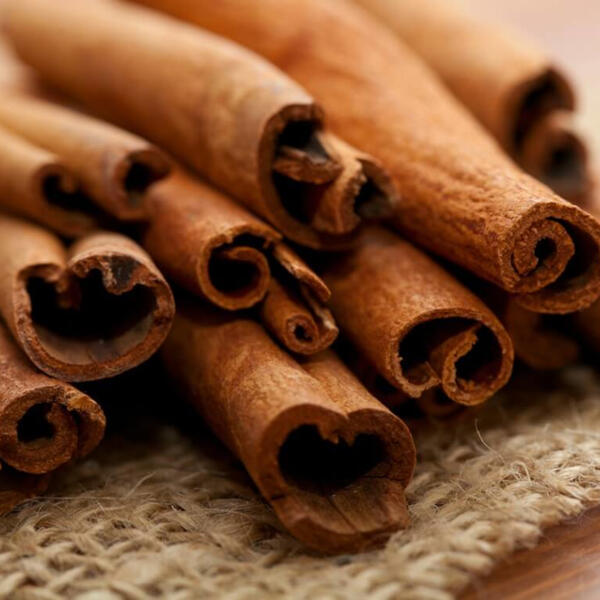
Cinnamon is mentioned in the Bible as a valuable spice used in the sacred anointing oil described in Exodus. It was considered a luxury commodity and was associated with fragrance, wealth, and holiness.
Ancient/Biblical Background:In the Bible, it is an ingredient in the holy anointing oil (Exodus 30:23) and praised among chief spices (Song of Solomon 4:14).
- INCI name: Cinnamomum Zeylanicum Bark Oil
- Ingredient type: Essential Oil
- Method(s) of extraction or purification: steam distillation
- Parts used: Bark
- Key constituents: Cinnamaldehyde, eugenol, linalool, cinnamyl acetate.
- Native region(s): Sri Lanka
Interesting Fact(s): Cinnamon was once considered so rare and valuable that it was often presented as a gift to royalty and was worth more than silver by weight in parts of the ancient world.
Cassia Essential Oil
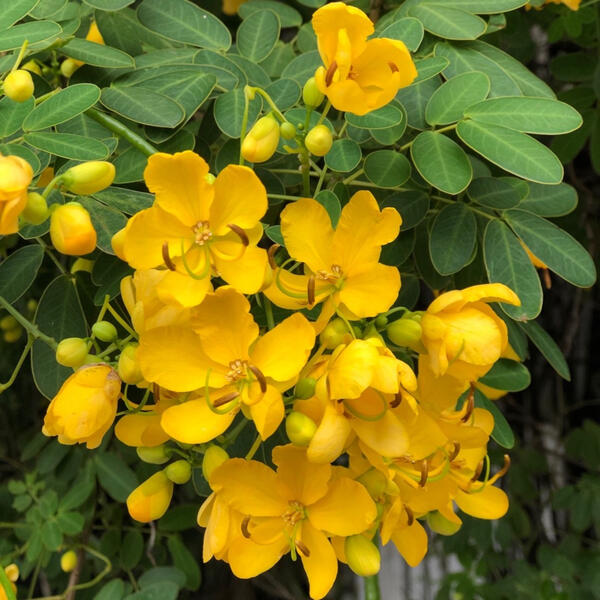
Cassia is specifically mentioned in Exodus as an ingredient in the holy anointing oil used for consecration. It was also referenced in Psalms as part of the fragrance associated with royal garments.
Ancient/Biblical Background:It is specified in the biblical holy anointing oil recipe (Exodus 30:24) and mentioned alongside other spices in Psalms 45:8 and Ezekiel 27:19.
- INCI name: Cinnamomum Cassia Leaf Oil (or Bark Oil)
- Ingredient type: Essential Oil
- Method(s) of extraction or purification: Steam-distilled from bark or leaves.
- Parts used: Bark or leaves
- Aroma: Strong, sweet, spicy, warm, and cinnamon-like.
- Key constituents: Cinnamaldehyde, coumarin, eugenol.
- Native region(s): Southern China.
Interesting Fact(s): Cassia is botanically a laurel relative. Like other laurel-family trees, cassia belongs to a group of aromatic plants where essential oils in bark/wood matter more than fragrant flowers.
Aloe Vera Juice
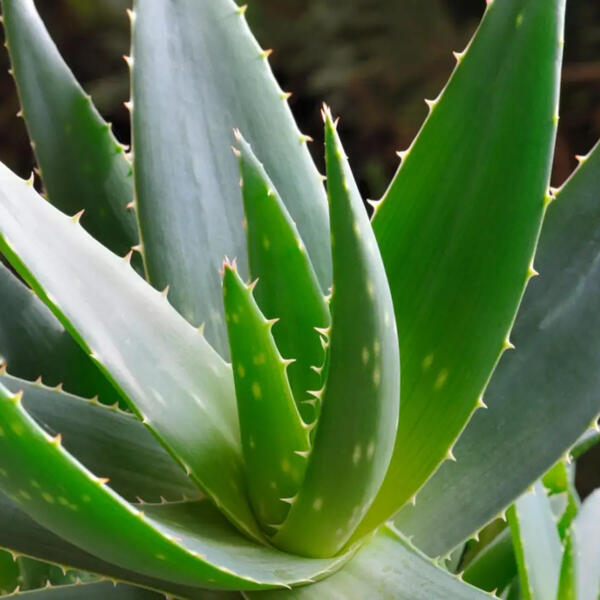
Aloe vera has been cultivated for more than 4,000 years and was prized by ancient Egyptians, Greeks, Romans, Indians, and Chinese for skincare and personal care publications. Modern stabilized aloe vera juice became widely available during the twentieth century as preservation and processing technologies improved.
Ancient/Biblical Background:Aloe (likely referring to the fragrant resin-producing plant Aloes rather than modern aloe vera gel) is mentioned in the Bible as a valuable aromatic substance used in perfumes and burial preparations. It was associated with luxury, fragrance, and royal gifts in biblical times.
- INCI name: Aloe Barbadensis Leaf Juice
- Ingredient type: Botanical Juice
- Parts used: Leaves
- Aroma: Very mild, fresh, green, and slightly vegetal.
- Key constituents: olysaccharides (including acemannan), amino acids, vitamins A, C, and E (naturally occurring in small amounts), enzymes, minerals, and trace phytosterols.
- Native region(s): Arabian Peninsula; now cultivated throughout tropical and subtropical regions worldwide.
Interesting Fact(s): Ancient Egyptian writings referred to aloe as the "plant of immortality," and it was reportedly included among the burial offerings of pharaohs.
Sodium Bicarbonate
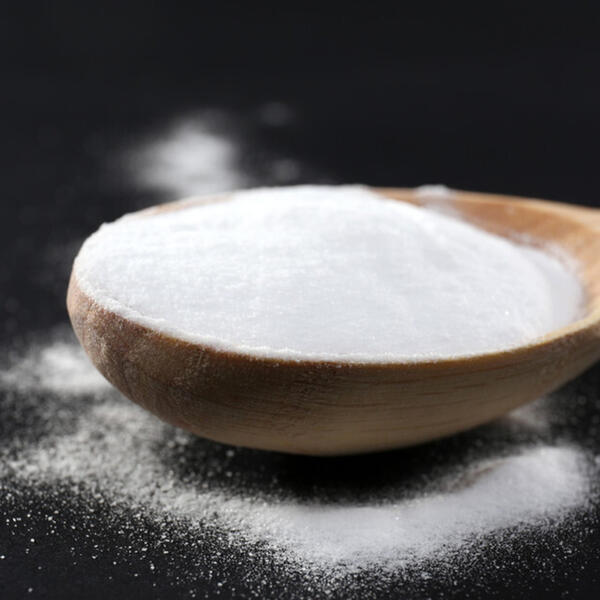
Sodium bicarbonate, commonly known as baking soda, is a naturally occurring mineral compound found in mineral springs and natural deposits, with its use dating back to ancient civilizations that relied on naturally alkaline minerals for personal and household cleansing purposes. Historically, it was valued for its versatility in cooking, cleaning, and personal care, becoming a staple ingredient in homes around the world. Today, Silver Botanicals uses sodium bicarbonate is its all-natural products, where it serves as a gentle cleanser, deodorizer, and pH-balancing ingredient.
Historical Background:Sodium bicarbonate, commonly known as baking soda, has a rich history dating back to ancient civilizations, where it was used for mummification by the Egyptians and in various cleaning rituals. Its industrial production began in the late 18th century with the development of the Leblanc process, which made it more accessible for widespread use in cooking, cleaning, and medicine.
- INCI name: Sodium Bicarbonate
- Ingredient type: pH Aduster,deodorizer,cleanser
- Method(s) of extraction or purification: Solvay process
Interesting Fact(s): Sodium bicarbonate is an odor neutralizer (not just a deodorizer): sodium bicarbonate can help reduce “smell-causing” acidity/odor compounds—why it’s common in deodorant and foot-related products.
Xanthan Gum
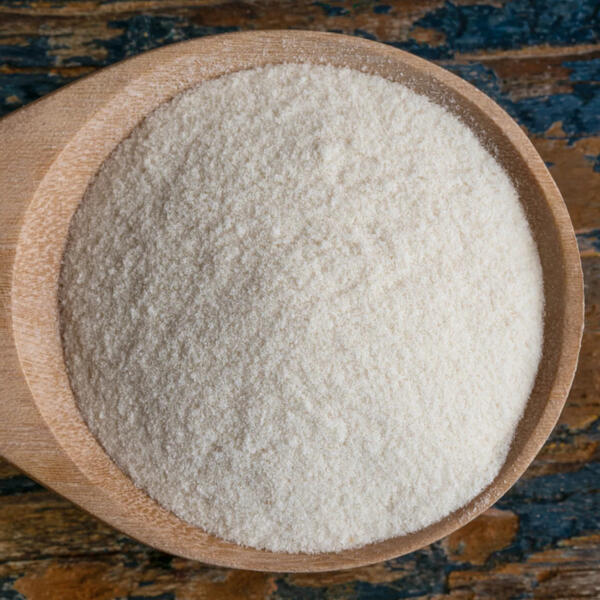
Xanthan gum is a naturally derived polysaccharide produced through the fermentation of plant-based sugars, a process discovered in the mid-20th century that utilizes naturally occurring microorganisms. Historically, fermentation has been used for thousands of years to create foods, beverages, and useful natural materials, with xanthan gum becoming an important innovation in modern food and personal care production. Today, xanthan gum is used in many of Silver Botanicals' all-natural formulations, where it acts as a natural thickener and stabilizer to create smooth, consistent formulations.
- INCI name: Xanthan Gum
- Ingredient type: Polysaccharide; thickener and stabilizer (viscosity modifier; suspension stabilizer)
- Method(s) of extraction or purification: Produced by microbial fermentation using Xanthomonas campestris
- Key constituents: A high–molecular-weight polysaccharide composed of repeat units containing glucose, mannose, glucuronic acid, and side-chain acetyl/pyruvyl substitutions
Interesting Fact(s): It’s an anionic polysaccharide and is noted for stabilizing emulsions and suspensions across a broad pH/temperature range
Grapefruit Seed Extract
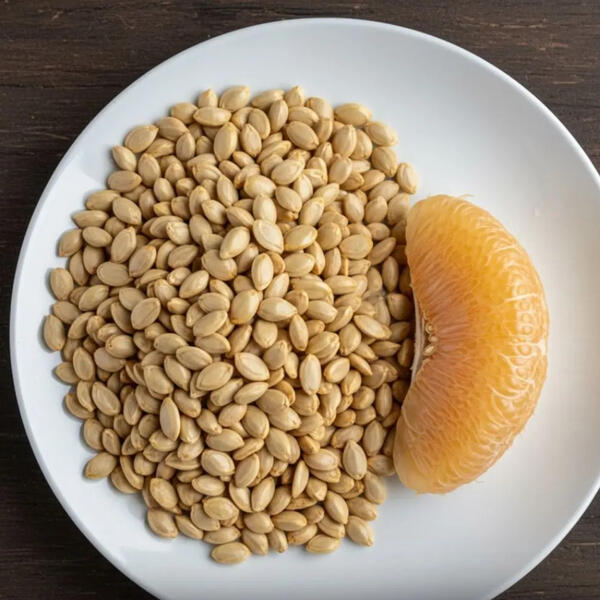
Grapefruit seed extract is derived from the seeds and pulp of the grapefruit (Citrus × paradisi), a citrus fruit that originated in the Caribbean during the 18th century as a natural hybrid between the pomelo and sweet orange. Historically, grapefruit was cultivated primarily for its flavorful fruit, while extracts from its seeds and pulp became more widely developed for commercial use during the late 20th century. Today, Silver Botanicals utilizes grapefruit seed extract in a variety of its all-natural personal care products, where it is valued as a naturally derived botanical ingredient.
- INCI name: Citrus Grandis Seed Extract
- Ingredient type: Botanical Extract
- Method(s) of extraction or purification: Extracted from grapefruit seeds and pulp.
- Parts used: Seeds and pulp
- Aroma: Mildly citrusy with subtle bitter notes.
- Key constituents: Flavonoids, limonoids, vitamin C (trace), polyphenols.
- Native region(s): Grapefruit originated in the Caribbean as a natural citrus hybrid.
Interesting Fact(s): Some commercial grapefruit seed extracts contain added preservation compounds, making ingredient sourcing especially important.
Colloidal Gold

Gold is extensively mentioned throughout the Bible as a symbol of purity, kingship, divine glory, and abundance. It was used in the construction of the Tabernacle and Temple, sacred objects, royal gifts, and is famously included among the gifts of the Magi.
- INCI name: Gold
- Ingredient type: Mineral Dispersion
- Aroma: Odorless
- Key constituents: Elemental gold nanoparticles or microparticles
Interesting Fact(s): Colloidal gold solutions have a purple color with concentrated solution having the appearance of a red wine.
Colloidal Silver
Silver has been valued since antiquity, with ancient Phoenicians, Greeks, and Romans storing water and food in silver vessels. Colloidal silver preparations became commercially available in the late nineteenth and early twentieth centuries before the development of modern antibiotics.
Ancient/Biblical Background:Silver is one of the most frequently mentioned metals in the Bible and was used as currency, a material for sacred objects, jewelry, vessels, and offerings. It often symbolized wealth, refinement, and value.
- INCI name: Colloidal Silver
- Ingredient type: colloid
- Key constituents: Nanosilver particles
Interesting Fact(s): In some cultures, silver is treated like a “protector” material. Beyond modern explanations, silver’s historical reputation for cleanliness and preservation fed into beliefs about warding off illness or decay. For example, silver was used for drinking vessels to reduce spoilage of stored liquids.
About Our Ingredients
About Our Quality Standards
Silver Botanicals' products contain high quality (food grade or better; organic or wildcrafted, whenever available), all-natural, known-to-be safe (GRAS) ingredients. We never use synthetic ingredients, such as GMOs, petrochemicals, or highly-processed ingredients. We formulate and manufacture our products in our own facility and we do not outsource our production to third parties. We produce our own ultra pure water with an 8-stage, reverse osmosis system, that is free of virtually any contaminants. We do not conduct animal testing, or outsource any such tests (our products are "cruelty free").
We're more than happy to answer any specific questions. Feel free to contact us!
About Our Essential Oils
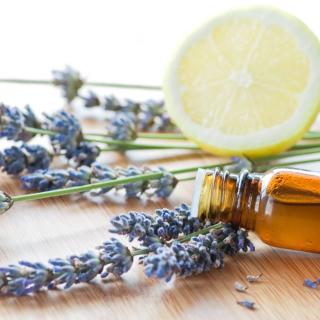
At Silver Botanicals we use pure, unadulterated, high quality, essential oils. This means that nothing has been added and nothing has been taken away. Our oils are mostly steam distilled, with a few oils that are absolutes, cold-pressed, or extracts. Our oils are organic and/or wildcrafted whenever possible. Our oils are selected with respect to their native regions of the world which impart their respective therapeutic value and potency.
Would you like to know more about essential oils?
About Our Colloidal Silver
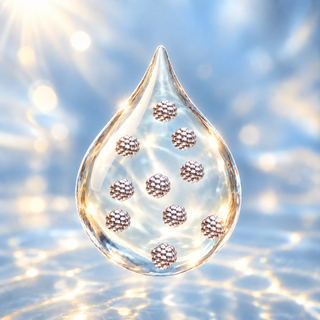
At Silver Botanicals we use true colloidal silver, which we source and manufacture. True colloidal silver is a refined suspension of silver nano particles in ultra pure water. These silver particles contain, on average, around 30 atoms (~0.65 nanometers in diameter). Our products contain between 10-30 ppm of true colloidal silver. Both the particle size and concentration are ideal for each product's intended use.
Would you like to know more about colloidal silver?
Gifts From The Magi FAQ
How would you describe the scent of Gifts From The Magi?
Gifts From The Magi has a complex scent that will stimulate your senses and imagination. It's base notes smell of fragrant wood with hints of vanilla. It's middle notes have the aroma of spice and resin. While it's high notes smell of delicate night-bloom flowers.
Why use colloidal gold in a room & body spray?
Colloidal gold is reputed to have many benefits for the skin. Three particular benefits for which it is sought after is it's ability to sooth, de-inflame and stimulate regeneration and repair. The exact mechanisms of these effects are not fully known. Although, it is believed, in part, to be due to gold's electrical / conductive properties.
What does the name Gifts From The Magi mean - who were the Magi?
The Magi, widely known as The Three Wise Men, brought gifts of gold, frankincense and myrrh to the newborn Jesus Christ. What is it that makes gold, frankincense and myrrh so special? The answer is still somewhat a mystery, but it's well known that these materials are indeed special and precious. Gifts From The Magi gives you an experience of the ancient world with colloidal gold, frankincense and myrrh, plus other essential oils of the ancient world--some of natures most precious ingredients.
Why frankincense gold and myrrh?
We bring these ingredients together because they are unique and special with incredible properties.
Frankincense is referred to over 52 times in the Bible. It's been found to stimulate the limbic system in the brain (the center of memory and emotions). It's reputed benefits are broad and astounding--both physical and mental. It is one of the most highly sought essential oils for it's healing properties.
Myrrh, noted in one of the oldest known medical texts, the Ebers Papyrus (dating back to 16th century BC). A powerful antioxidant and skin tonic. It's reputed benefits are also broad and astounding--both mental and physical. It is one of the most highly sought essential oil.
Gold is a very curious element. It's rarity throughout the universe is due to the nature of how it is produced--by a supernova's explosion (stars at least ten times the size of our own sun)! This element is created just before and during the explosion of a supernova from shear force (fusion of lighter elements). It's properties for health are wide and interesting. None the least to mention is it's mental effects, reputed to enhance IQ in repeated studies.
What is colloidal gold?
Colloidal gold (also called nanogold) is nano-sized particles of gold suspended in water. In this way, it is just like colloidal silver. Although, colloidal gold has very different properties and benefits.
Can I spray my bed and pillow with Gifts From The Magi before bedtime?
Yes, it's provides a very pleasant and soothing scent as you drift off to sleep. It is also safe on linens and does not stain.
Is Gifts From The Magi good for the skin?
In a simple answer, yes! Gifts From The Magi contains many essential oils reputed to benefit the skin. These benefits are broad and varied, far beyond what could be written here. We recommend a journey in researching each of these amazing essential oils on the Internet, or from the many great books upon this subject. We're confident you'll be amazed!
What mood is inspired by Gift From The Magi?
Gifts From The Magi, with it's complex and rich scent, will stimulate the mood and imagination of each person differently. Although, if we could describe it in simple terms, we might say that it elevates the soul and it soothes and focuses the mind.