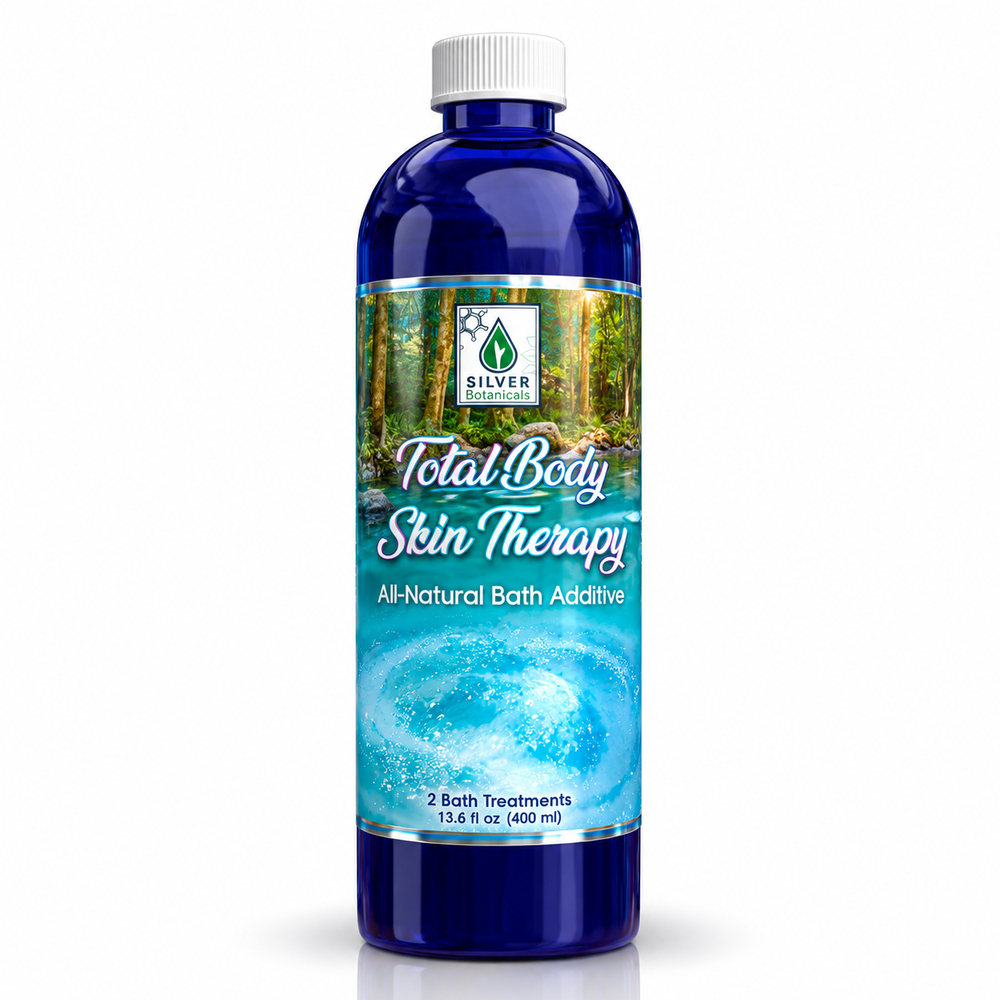
Total Body Skin Therapy
Therapeutic, Luxury Bath Additive
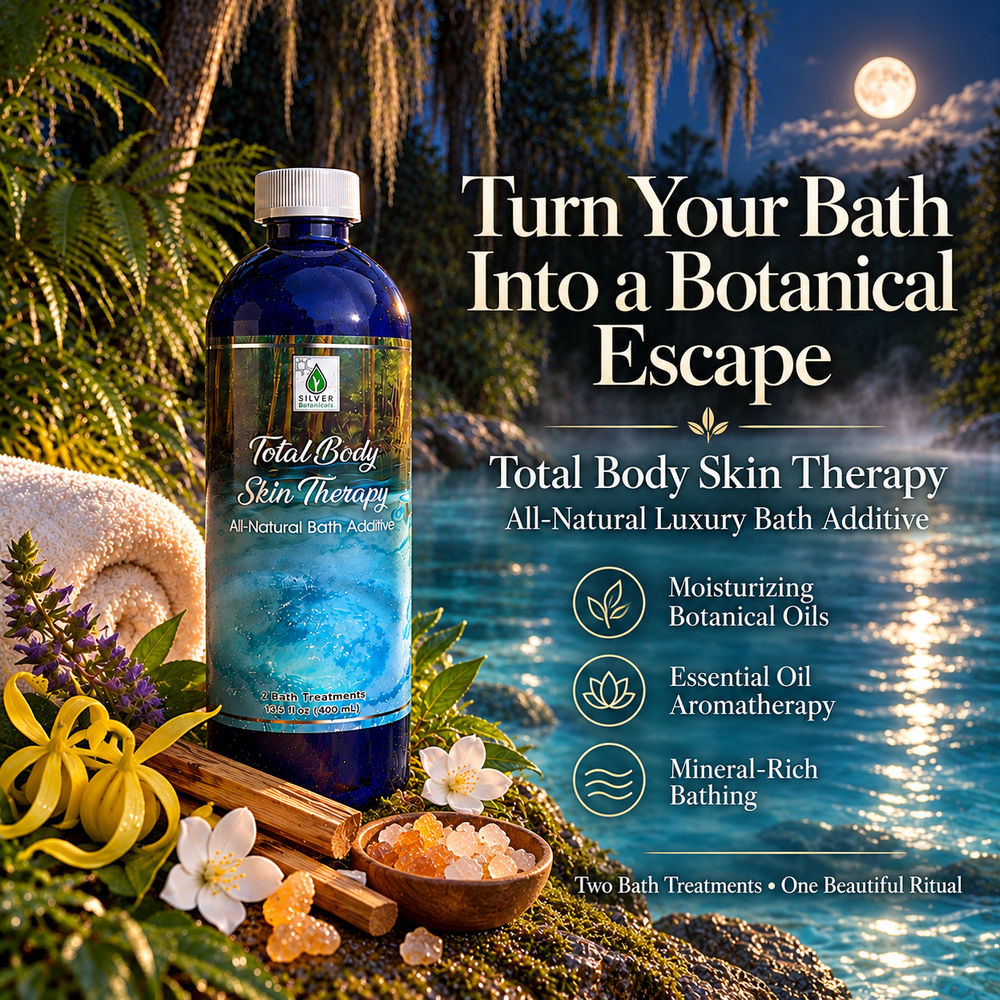
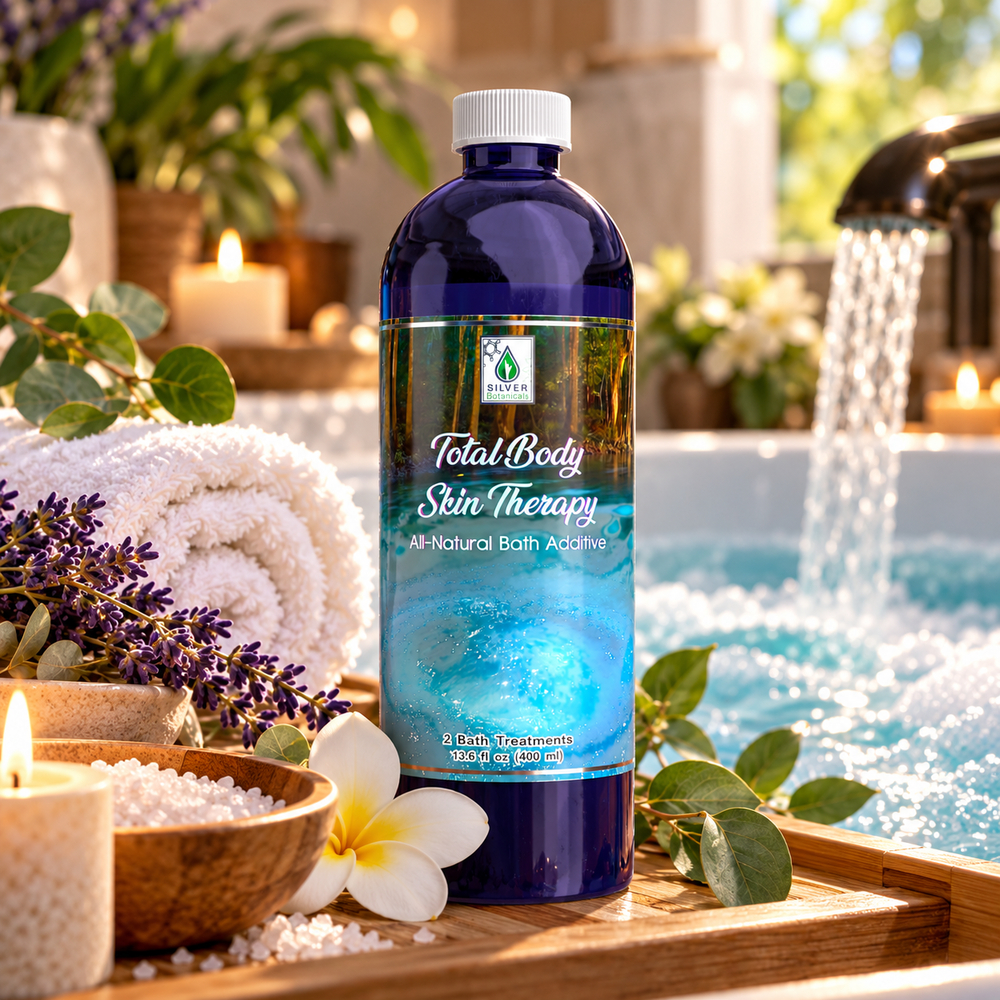
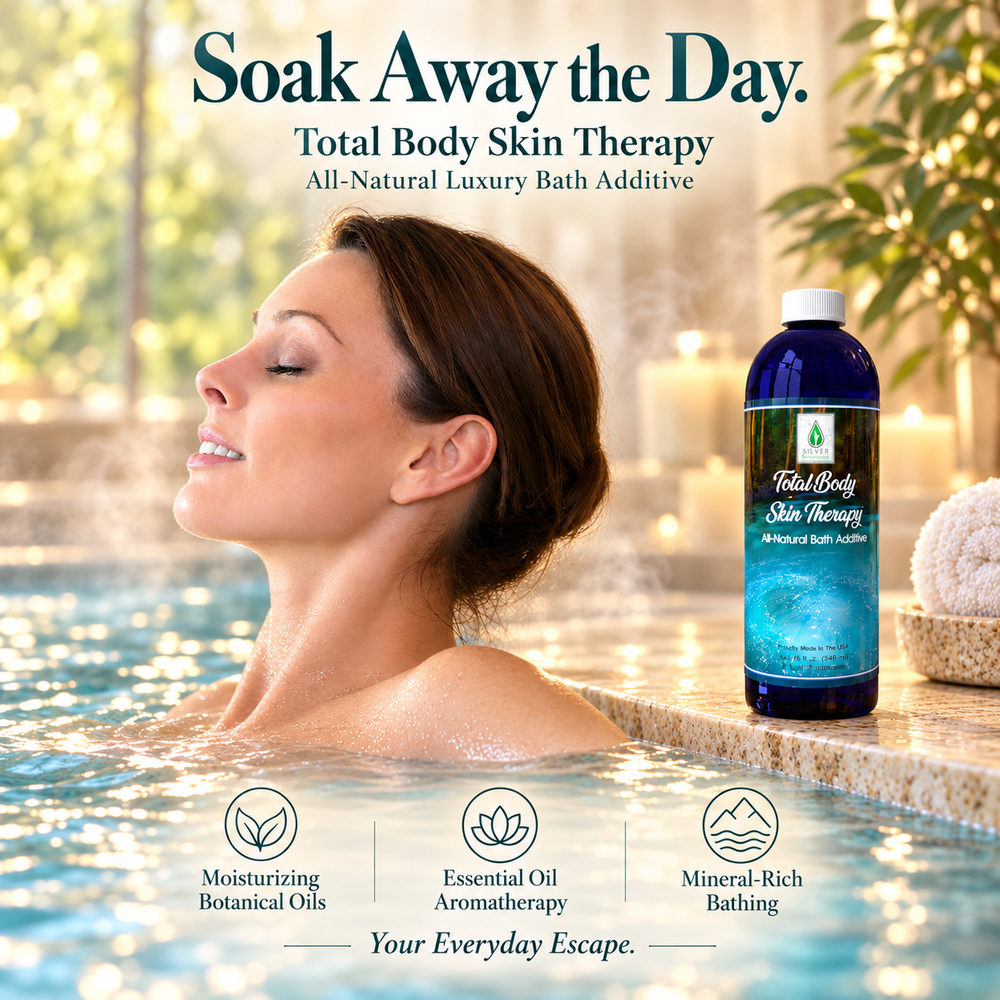
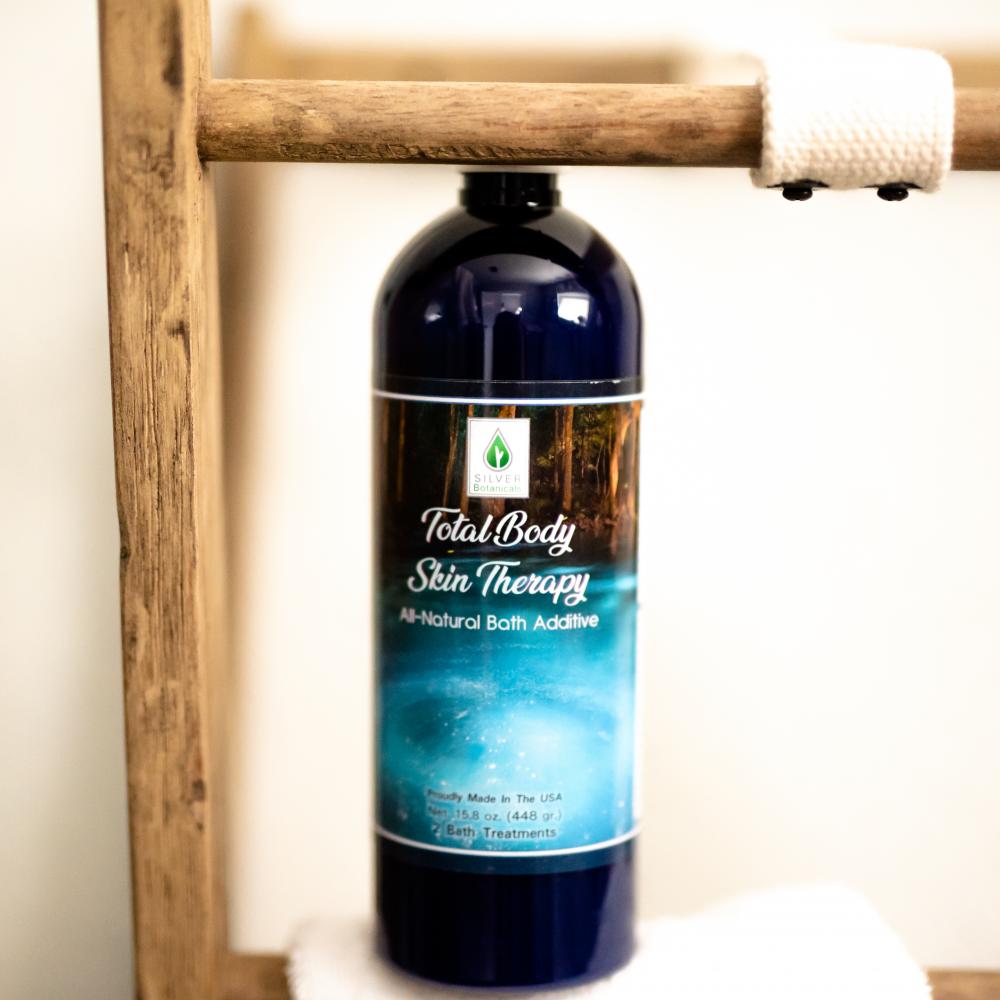
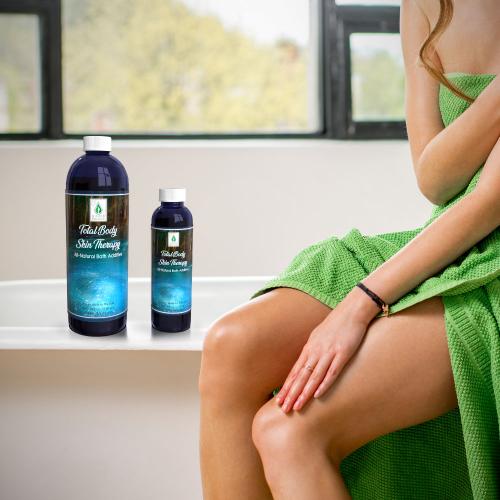
Total Body Skin Therapy for soft and silky skin
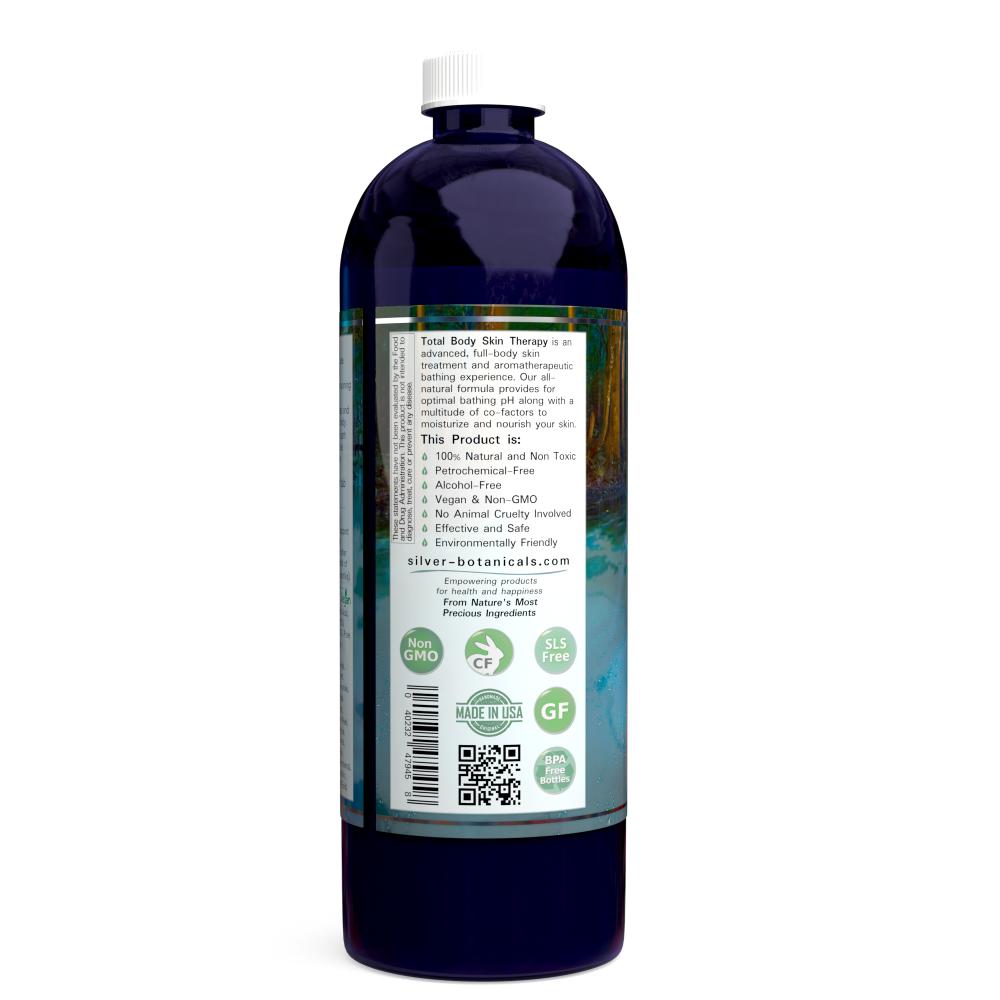
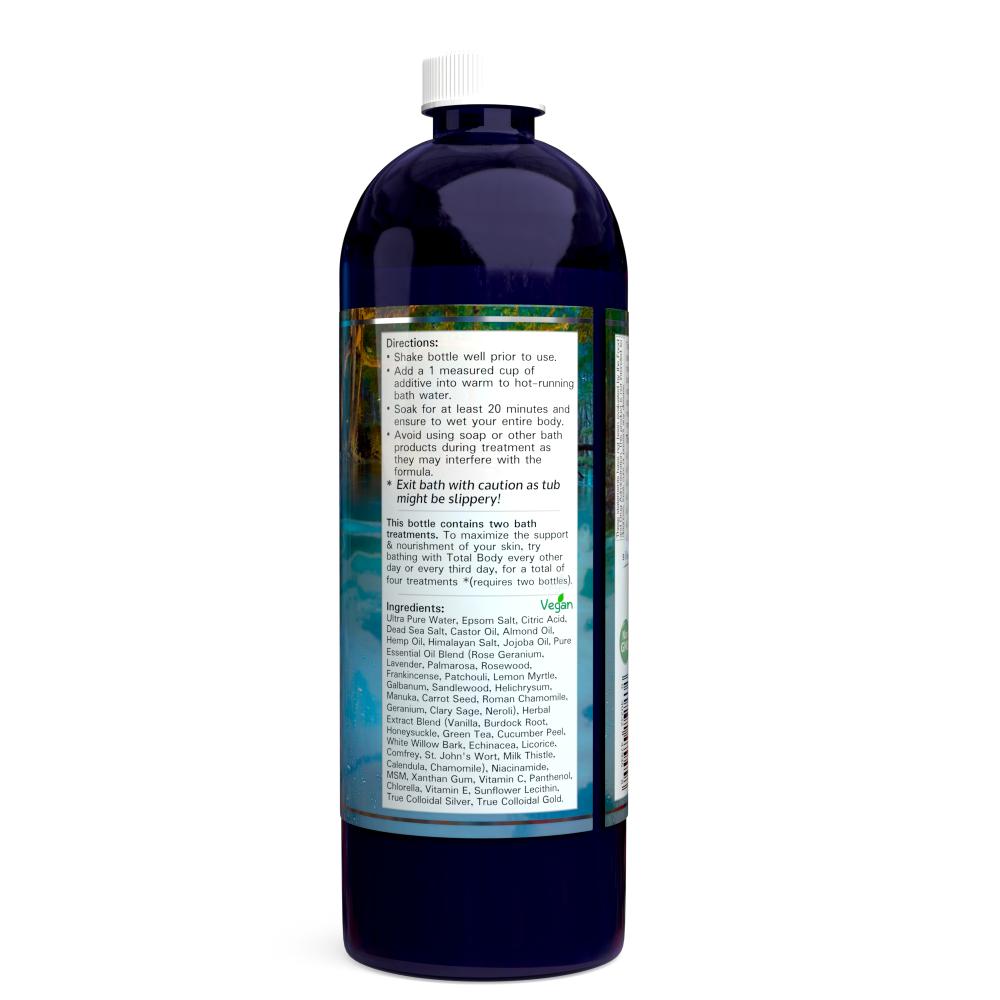
Total Body Skin Therapy for soft and silky skin
One 13.6 fl oz. bottle supplies two bath treatments.
Email to a FriendTotal skin therapy
Total Body Skin Therapy is an advanced, full-body skin treatment and aromatherapeutic bathing experience. Our all-natural formula provides for optimal bathing pH along with a multitude of co-factors to moisturize and nourish your skin. Utilizing smart emulsion technology to intelligently deliver botanical extracts & essential oils, vitamins, and natural sea minerals, Total Body Skin Therapy provides a skin treatment superior to some of the most prestigious, contemporary luxury spas. Great for moisturizing your skin during dry weather or a relaxing way to end a stressful day.
Each bottle contains
- Skin, hair & nail Nutrients
- Mentally relaxing Aromatherapeutic Botanical Extracts
- Muscles relaxing Mineral Salts
- Skin, hair & nail toning Herbal Extracts
- Skin, hair & nail Moisturizing Oils
Overall: A total body stress-relieving, anti-aging, rejuvenation Formula
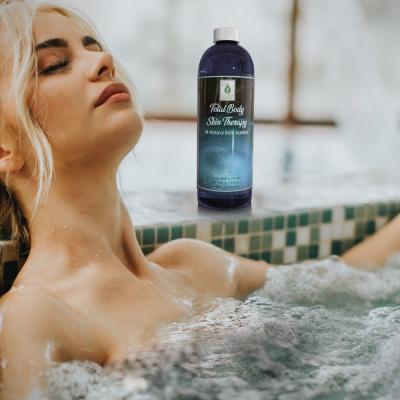
Treat yourself to soothing relaxation and revitalization
A nice hot-warm bath is so simple and effective to relieve stress and induce deep bodily relaxation. Treat yourself every now and again to a bath with Total Body Skin Therapy! Your body and mind will thank you.
Directions for use:
Shake prior to use. Add a measured 1/2 cup of additive into warm to hot running bath water. Soak for at least 20 minutes and ensure to wet your entire body. Avoid using soap or other bath products during bath as they may interfere with the proper functioning of the bath additive. Exit bath with caution as tub may be slippery.
Known benefits of bathing - Our top 5
- Your skin will thank you
- Powerful and immediate stress relief
- You’ll get a good night’s sleep
- Your muscles become limber and flexible
- You will look younger
Read our complete article about The Powerful Health Benefits of Taking a Bath.
Formula Highlights
Skin Actives
- Vitamin C
- MSM
- Niacinamide
- Colloidal Gold
- Colloidal Silver
- Vitamin E
- Citric Acid
- Mineral Salts
- Essential Oils
Hair Nutrients
- Panthanol
- Castor Oil
- Jojoba Oil
- Sweet Almond Oil
- Essential Oils
Nail Actives
- Castor Oil
- Vitamin C
- Essential Oil of Carrot Seed
Muscle Actives
- MSM
- Epsom Salt
- Dead Sea Salt
- White Willow Bark
Aromatherapuetic
Essential Oils of:
- Ylang Ylang
- Palo Santo
- Jasmine
- Lime
- Clary Sage
- Elemi
- Frankincense
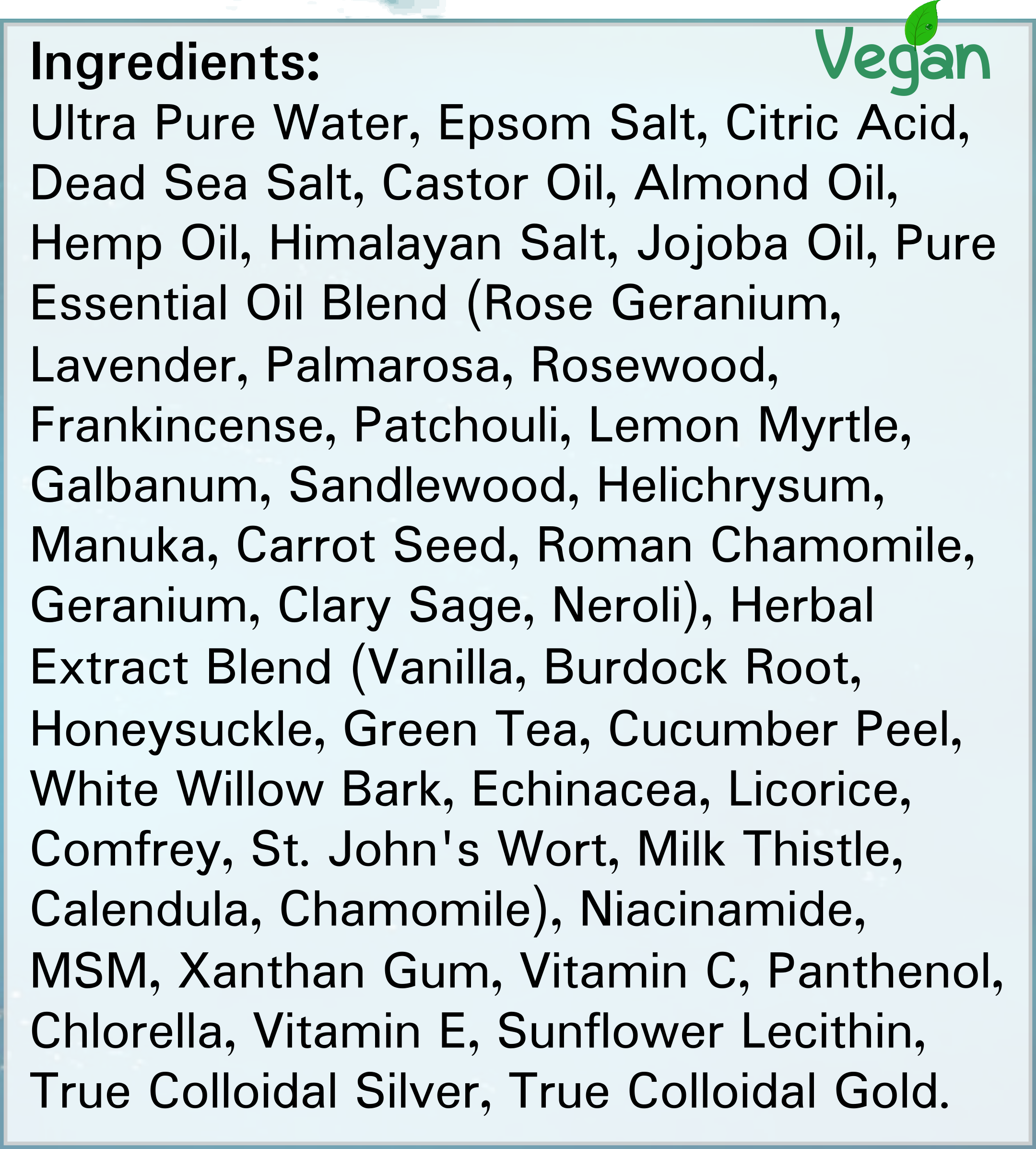
Total Body Skin Therapy Ingredients
See Details For Individual Ingredients
Ultra Pure Water
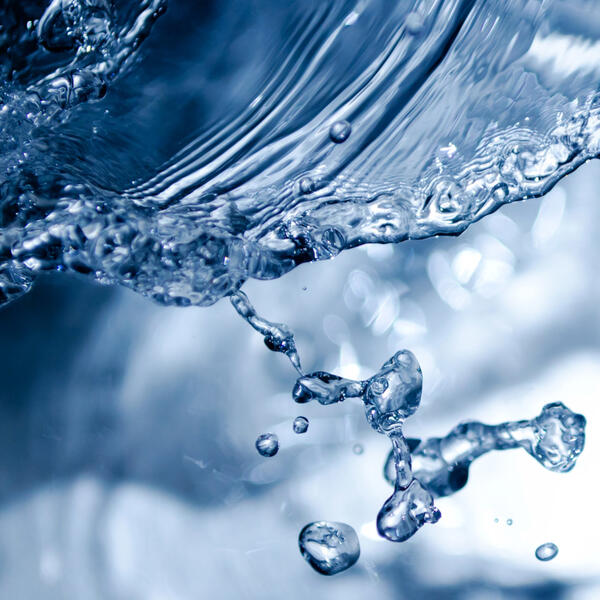
Ultra pure water begins as naturally sourced water that undergoes advanced purification to remove minerals and impurities, creating an exceptionally clean ingredient. Throughout history, clean water has been essential in the preparation of soaps, herbal remedies, cosmetics, and other personal care products, with purification methods evolving as technology advanced. Today, ultra pure water is the foundation of Silver Botanicals' formulations, providing a clean, consistent base that supports product quality, stability, and performance.
- INCI name: Water
- Ingredient type: Solvent
- Method(s) of extraction or purification: Particulate Filtration, Activated Carbon Filtration, Reverse Osmosis Filtration, Ion Exchange Polishing, UV Disinfection
Interesting Fact(s): Ultra Pure Water is among the cleanest forms of water used in industry, with impurities such as dissolved minerals, organic compounds, microorganisms, and trace contaminants removed to extremely low levels. It is commonly used in high-precision industries such as semiconductor manufacturing, pharmaceuticals, and laboratory research.
Epsom Salt
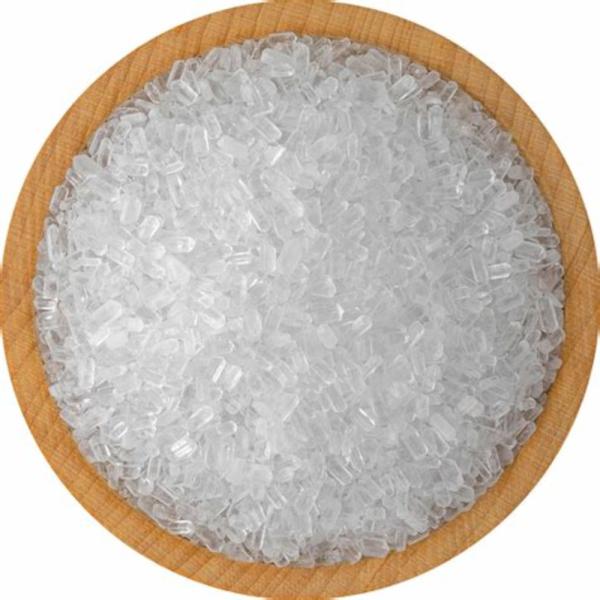
Epsom salt is a naturally occurring mineral compound of magnesium sulfate that was first identified in the mineral-rich springs of Epsom, England, during the early 17th century. Since the 1600s, Epsom salt has been used to relieve constipation, soothe sore muscles, reduce minor inflammation, and ease discomfort through therapeutic baths. Silver Botanicals utilizes epsom salt in its all-natural bath additive where it is appreciated for its soothing and relaxing effects.
- INCI name: Magnesium Sulfate
- Ingredient type: Mineral salt
- Key constituents: Magnesium sulfate (MgSO4)
Interesting Fact(s): The actual amount of magnesium absorbed through the skin when used in bath soaks varies a lot from person to person.
Citric Acid
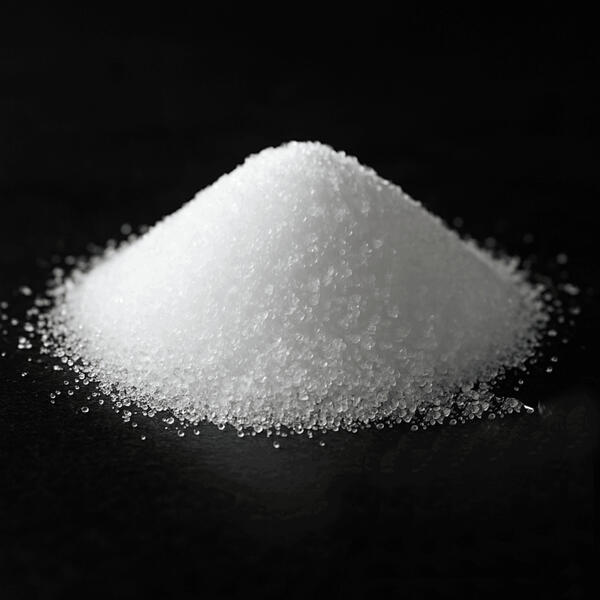
Citric acid is a naturally occurring organic acid found in citrus fruits such as lemons, limes, and oranges, where it has been part of the human diet and natural preservation methods for thousands of years. Naturally occurring citric acid from citrus fruits was historically used to preserve foods, cleanse wounds, and help prevent nutrient-deficiency illnesses associated with long sea voyages.Today, naturally derived citric acid is used by Silver Botanicals many of its all-natural products where it helps adjust pH, improve formulation stability, and enhance product performance.
- INCI name: Citric Acid
- Ingredient type: Organic Acid / pH Adjuster
- Method(s) of extraction or purification: Commercially produced through the fermentation of sugars using Aspergillus niger; originally isolated from citrus fruits.
Interesting Fact(s): Although associated with citrus fruits, nearly all cosmetic-grade citric acid is produced through natural fermentation rather than extracted directly from lemons.
Dead Sea Salt
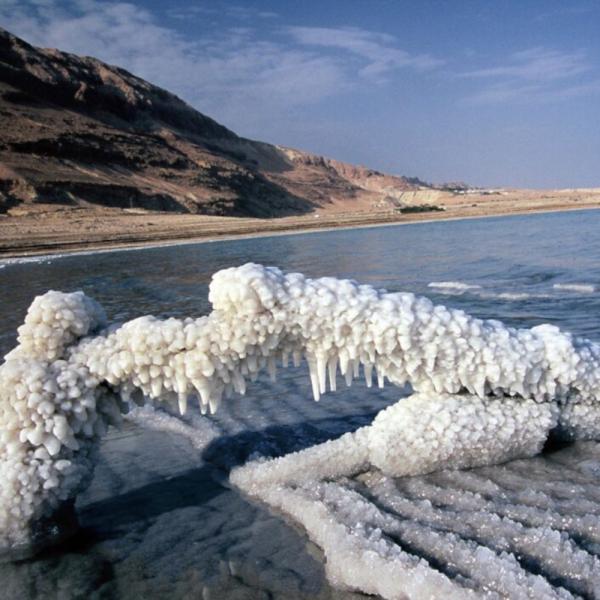
Dead Sea salt is a naturally occurring mineral salt harvested from the Dead Sea, a unique hypersaline lake bordering Israel and Jordan that has been valued since ancient times. Since ancient Egyptian, Greek, and Roman times, Dead Sea salts have been used to soothe skin conditions, ease sore muscles, and support joint comfort. Today, Dead Sea salt is widely used in Silver Botanicals' all-natural bath additive where it is appreciated for its rich mineral content and long-standing place in natural wellness traditions.
- INCI name: Maris Sal (Dead Sea Salt)
- Ingredient type: Salt / inorganic mineral salt
- Key constituents: Primarily sodium chloride, with Dead Sea salts also commonly described as rich in minerals such as potassium, magnesium, calcium, and other trace minerals
- Native region(s): Dead Sea region
Interesting Fact(s): Dead Sea salt is often distinguished from ocean salt by its higher concentration of minerals (with magnesium-related emphasis in Dead Sea products)
Castor Oil
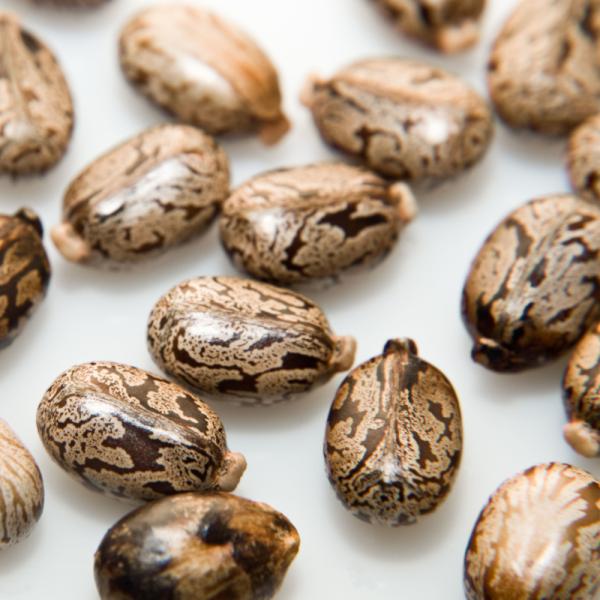
Castor oil is pressed from the seeds of the castor plant (Ricinus communis), which is believed to have originated in northeastern Africa and has been cultivated for more than 4,000 years. Historically, ancient Egyptians, Indians, and other civilizations used castor oil in as a laxative, for skin conditions, lamp oil, and to soothe inflamed tissues. making it one of the world's oldest cultivated plant oils. Silver Botanicals utilizes castor oil in its all-natural bath additive where it is valued for its rich texture, moisturizing properties, and skin supporting properties.
- INCI name: Ricinus Communis Seed Oil
- Ingredient type: Carrier Oil
- Method(s) of extraction or purification: Cold-pressed
- Parts used: Seeds
- Key constituents: Ricinoleic acid, oleic acid, linoleic acid, vitamin E.
- Native region(s): Northeastern Africa and the Middle East; now cultivated worldwide.
Interesting Fact(s): Castor oil is one of the few vegetable oils naturally rich in ricinoleic acid, a fatty acid rarely found in significant amounts elsewhere.
Almond Oil
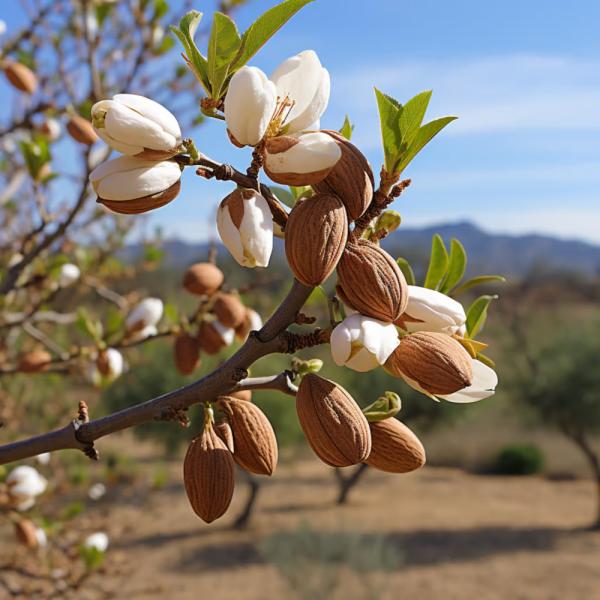
Almond oil is pressed from almonds, which are generally traced to West/Central Asia (often around the Iran/Levant region) before spreading widely through cultivation across the Mediterranean. Historically, almonds were primarily used as a food and culinary ingredient, and almond-oil preparations were valued as a practical, lubricating emollient in domestic uses for softening and conditioning the skin. Over time, oil-focused personal-care traditions elevated almond oil as a “simple” plant oil that helps smooth dryness and improve overall skin feel. In modern formulas, that same heritage shows up as a lightweight, conditioning base oil that’s easy to use in lotions, massage products, and hair preparations.
- INCI name: Prunus Amygdalus Dulcis Oil
- Ingredient type: Carrier Oil
- Method(s) of extraction or purification: Cold-pressed
- Parts used: Seed (kernel)
- Aroma: Mild, slightly sweet, nutty, and delicate.
- Key constituents: Oleic acid, linoleic acid, palmitic acid, phytosterols, squalene, and naturally occurring vitamin E.
- Native region(s): Western and Central Asia; now extensively cultivated throughout the Mediterranean, California, and Australia.
Interesting Fact(s): Almonds are members of the rose family (Rosaceae), making them botanical relatives of peaches, cherries, plums, apricots, and roses.
Hemp Seed Oil
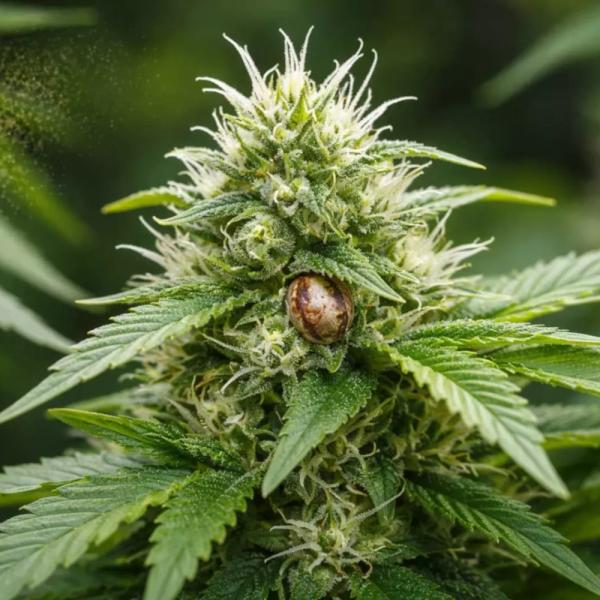
Hemp seed oil is cold pressed from the seeds of the hemp plant (Cannabis sativa), a crop believed to have originated in Central Asia that has been cultivated for more than 8,000 years. Hemp seeds and their oil were traditionally used throughout Asia and Europe to nourish the body, soothe dry skin, and support digestive health. Silver Botanicals' utilizes hemp seed oil is its all-natural bath additive where it is appreciated for its lightweight texture, plant-based origin, and rich botanical composition.
- INCI name: Cannabis Sativa Seed Oil
- Ingredient type: Carrier Oil
- Method(s) of extraction or purification: Cold-pressed
- Parts used: Seeds
- Native region(s): Central Asia; now cultivated worldwide.
Interesting Fact(s): Hemp seed oil contains virtually no THC because it is pressed from the seeds rather than the flowering portions of the plant.
Himalayan Salt
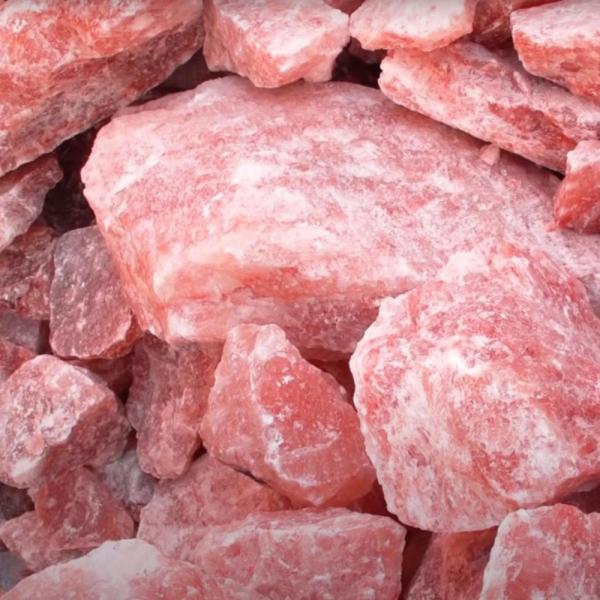
Himalayan salt is a naturally occurring rock salt mined from ancient sea salt deposits in the Punjab region of Pakistan, formed more than 250 million years ago when prehistoric oceans evaporated. Historically, these mineral-rich salt deposits have been harvested for centuries and have long been valued for food preservation, seasoning, bathing, and traditional personal care practices. Himalayan salt is used in Silver Botanicals' all-natural bath additive where it is appreciated for its natural mineral content and ancient geological origin.
- INCI name: Sodium Chloride
- Ingredient type: Natural Mineral Salt
- Key constituents: Primarily sodium chloride (approximately 95–98%), with naturally occurring trace minerals including potassium, calcium, magnesium, iron, zinc, manganese, and small amounts of other minerals that contribute to its characteristic pink color.
- Native region(s): Pakistan
Interesting Fact(s): Despite its distinctive pink color, Himalayan salt is overwhelmingly composed of ordinary sodium chloride; the pink hue comes primarily from trace amounts of naturally occurring iron oxides and other minerals that make up only a small percentage of the salt's composition.
Jojoba Oil
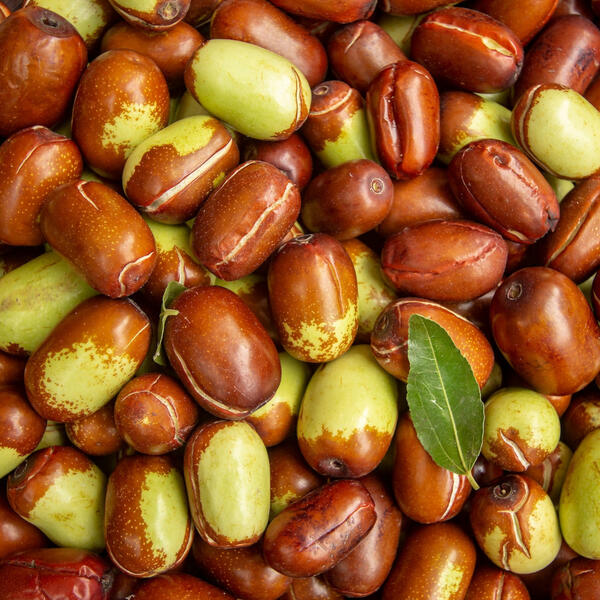
Jojoba oil is a liquid plant wax pressed from the seeds of the jojoba shrub (Simmondsia chinensis), a desert plant native to the southwestern United States and northern Mexico that has thrived in arid climates for thousands of years. Indigenous peoples of the Sonoran Desert traditionally applied jojoba oil to wounds, burns, dry skin, and scalp conditions while also using it to condition hair. Today, Silver Botanicals' uses jojoba oil is in its all-natural deodorants and bath additive, where it is appreciated for its lightweight feel, plant-based origin, and excellent moisturizing and skin-protecting properties.
- INCI name: Simmondsia Chinensis Seed Oil
- Ingredient type: Carrier Oil (Liquid Wax Ester)
- Method(s) of extraction or purification: Cold-pressed
- Parts used: Seeds
- Aroma: Mild, clean, slightly nutty, and earthy.
- Key constituents: Wax esters, eicosenoic acid, erucic acid, tocopherols.
- Native region(s): Southwestern United States and northern Mexico.
Interesting Fact(s): Jojoba oil is technically a liquid wax rather than a true vegetable oil.
Rose Geranium Essential Oil
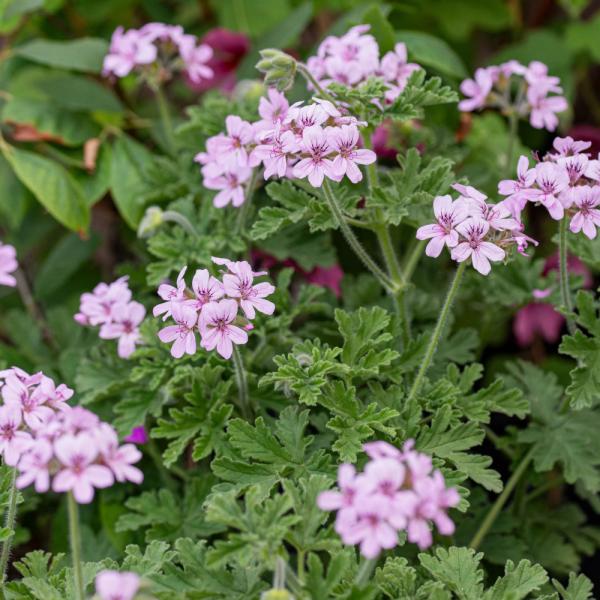
Rose geranium essential oil is steam distilled from the leaves and flowers of the rose geranium plant (Pelargonium graveolens), a fragrant species native to South Africa that has been cultivated around the world since the 17th century. Traditional African and European herbalists used rose geranium to help treat wounds, minor skin infections, diarrhea, dysentery, menstrual discomfort, and inflammatory skin conditions, while its calming aroma was also used to reduce stress and promote emotional well-being. Silver Botanicals uses rose geranium essential oil in its all-natural bath additive where it is appreciated for its elegant floral aroma and rich botanical heritage.
- INCI name: Pelargonium Roseum Leaf Oil
- Ingredient type: Essential Oil
- Method(s) of extraction or purification: Steam-distilled from fresh leaves and stems
- Parts used: Leaves and stems
- Aroma: Rich, rosy, sweet, fresh, green, and lightly herbaceous
- Key constituents: Citronellol, geraniol, linalool, citronellyl formate, isomenthone, menthone, geranyl formate
- Native region(s): Native to South Africa
Interesting Fact(s): Unlike many aromatic plants that concentrate fragrance in their flowers, rose geranium stores its essential oil primarily in its leaves and stems.
Bulgarian Lavender Essential Oil
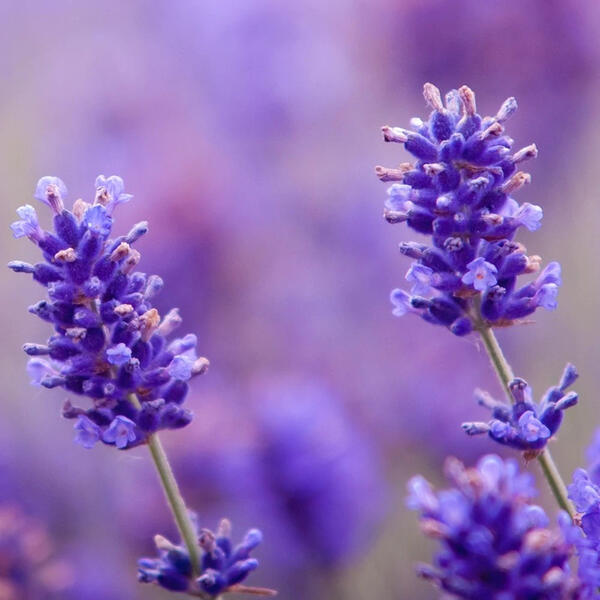
Bulgarian lavender comes from Lavandula angustifolia, a species native to the Mediterranean region that has been cultivated in Bulgaria for more than a century, where the country's climate and soil produce exceptionally aromatic lavender. Historically, lavender was used by the Egyptians, Greeks, and Romans to promote relaxation, freshen living spaces, soothe the skin, and perfume baths. An interesting fact is that Bulgaria is one of the world's leading producers of high-quality lavender essential oil, and its oil is especially valued for its rich, sweet floral scent and balanced composition. Silver Botanicals uses bulgarian lavender essential oil in many of its all-natural formulations where it contributes a classic floral fragrance and a relaxing sensory experience.
- INCI name: Lavandula Angustifolia Oil
- Ingredient type: Essential Oil
- Method(s) of extraction or purification: steam distillation
- Parts used: Flowers
- Aroma: floral, herbaceous, sweet, and woody
- Key constituents: Linalool, linalyl acetate, lavandulol, terpinen-4-ol.
- Native region(s): Bulgaria
Interesting Fact(s): Medieval monasteries cultivated lavender in their medicinal and contemplative gardens, where its fragrance became associated with reflection, simplicity, and daily spiritual practice.
Palmarosa Essential Oil
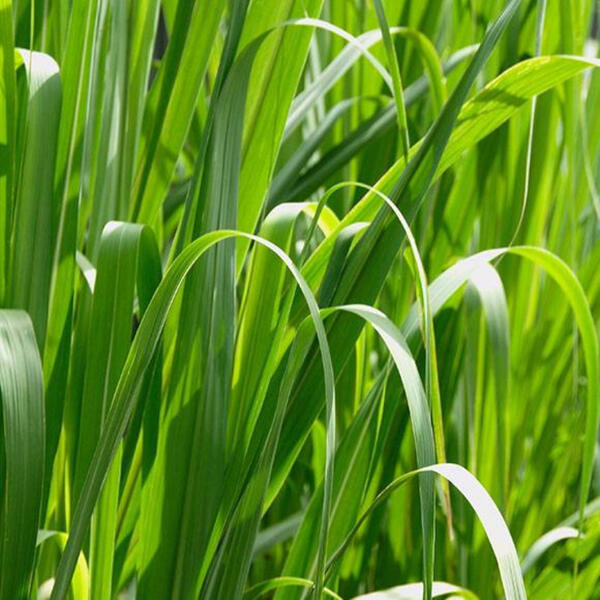
Palmarosa essential oil is steam distilled from the leaves of the palmarosa grass (Cymbopogon martinii), a fragrant plant native to India and other parts of South Asia that has been cultivated for centuries. Historically, palmarosa was valued in traditional Indian botanical practices and later became an important ingredient in perfumery because of its naturally sweet, rose-like fragrance. Traditional Indian herbalists used palmarosa to help care for skin conditions, reduce fevers, support digestion, and promote general wellness. Silver Botanicals uses palmarosa essential oil in its floral deodorant where it is appreciated for its delicate floral aroma and rich botanical heritage.
- INCI name: Cymbopogon Martinii Oil
- Ingredient type: Essential Oil
- Method(s) of extraction or purification: Steam-distilled from flowering grass
- Parts used: Leaves and flowering tops
- Aroma: Sweet, rosy, grassy, and lightly citrusy
- Key constituents: Geraniol, geranyl acetate, linalool
- Native region(s): India and Southeast Asia
Interesting Fact(s): Despite its rose-like aroma, palmarosa is actually a tropical grass closely related to lemongrass.
Rosewood Essential Oil
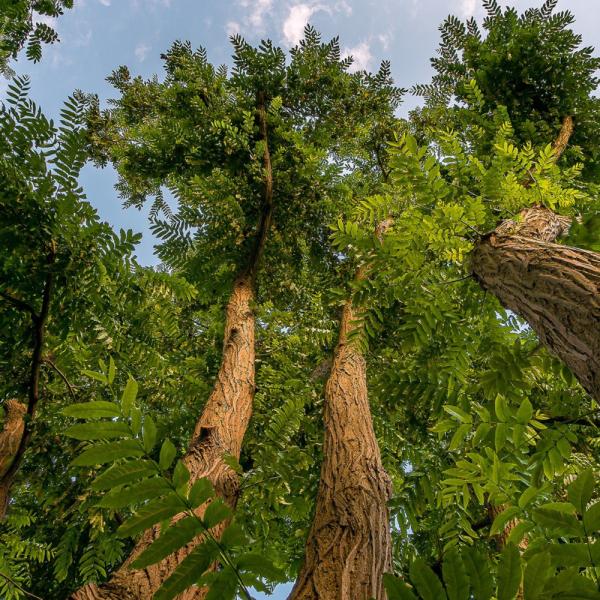
Rosewood essential oil is steam distilled from the wood of the rosewood tree (Aniba rosaeodora), a tropical species native to the Amazon rainforest. Historically, rosewood became highly sought after for fine woodworking and perfumery, with its essential oil gaining prominence in the early 20th century for its delicate floral-woody fragrance. Indigenous peoples of the Amazon traditionally used rosewood for wound care, fevers, muscle aches, and respiratory complaints, while its fragrant wood was also valued in medicinal preparations. Rosewood essential oil is used in many of Silver Botanicals' all-natural formulations, where it is appreciated for its soft, rosy, woody aroma and distinctive botanical heritage. Because natural rosewood populations have declined, Silver Botanicals now source rosewood essential oil from sustainably managed plantations or use responsibly produced alternatives.
- INCI name: Aniba Rosaeodora Wood Oil
- Ingredient type: Essential Oil
- Method(s) of extraction or purification: Steam-distilled from the heartwood
- Parts used: Heartwood
- Aroma: Soft, sweet, floral, woody, and slightly rosy with gentle spice notes
- Key constituents: Linalool, alpha-terpineol, geraniol, nerol.
- Native region(s): Amazon rainforest of Brazil, Peru, French Guiana, and neighboring regions.
Interesting Fact(s): Rosewood has been prized for centuries in the construction of guitars, pianos, and other musical instruments, and many believe its rich tonal qualities help create music that inspires emotion and reflection.
Frankincense Essential Oil
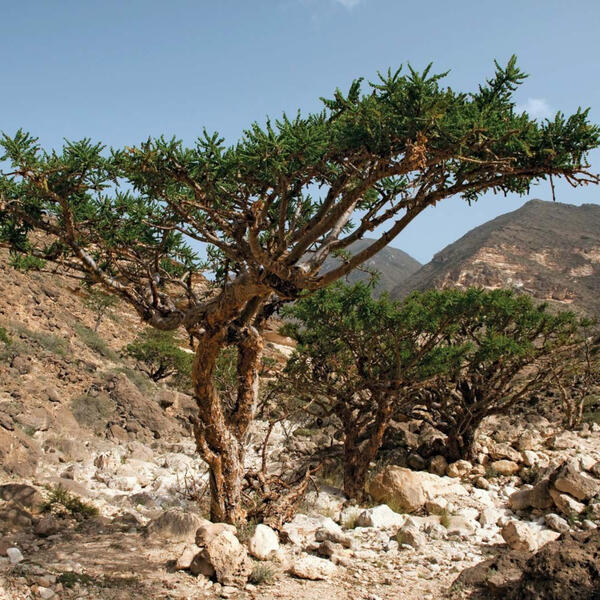
Frankincense essential oil is steam distilled from the aromatic resin of Boswellia trees, which are native to the arid regions of northeastern Africa and the Arabian Peninsula and have been harvested for more than 5,000 years. In the Bible, it is one of the gifts brought by the Magi to the infant Jesus (Matthew2:11), symbolizing divinity, and a key ingredient in the sacred Temple incense (ketoret) as described in Exodus 30:34.For thousands of years, frankincense was used in Egyptian, Ayurvedic, and Middle Eastern medicine for wounds, inflammation, respiratory conditions, and oral health. Frankincense essential oil is used in several of Silver Botanicals' products where it is appreciated for its rich, resinous aroma, time-honored luxury, and enduring botanical heritage benefiting health and home.
- INCI name: Boswellia Carterii Oil
- Ingredient type: Essential Oil
- Method(s) of extraction or purification: Steam-distilled from tree resin.
- Parts used: Resin
- Aroma: Warm, woody, balsamic, resinous, and lightly citrusy.
- Key constituents: alpha-Pinene, limonene, incensole acetate, beta-caryophyllene.
- Native region(s): Oman, Somalia, Ethiopia, and Yemen.
Interesting Fact(s): Ancient civilizations valued frankincense so highly that it was often traded at prices comparable to precious metals.
Patchouli Essential Oil
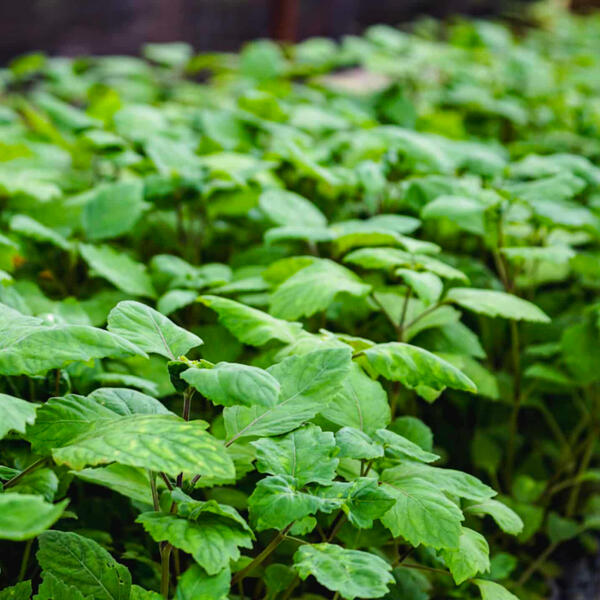
Patchouli essential oil is steam distilled from the leaves of the patchouli plant (Pogostemon cablin), a fragrant herb native to Southeast Asia that has been cultivated for centuries in Indonesia, Malaysia, and surrounding regions. Historically, traditional Asian medicine used patchouli to relieve digestive disorders, nausea, headaches, fevers, skin conditions, and insect bites while also repelling insects. Today, patchouli essential oil is widely used in several of Silver Botanicals' all-natural products, where it is appreciated for its rich, earthy aroma and skin-protecting characteristics.
- INCI name: Pogostemon Cablin Leaf Oil
- Ingredient type: Essential Oil
- Method(s) of extraction or purification: Steam-distilled from dried leaves
- Parts used: Leaves
- Aroma: Rich, earthy, woody, musky, and slightly sweet.
- Key constituents: Patchoulol, alpha-bulnesene, alpha-guaiene, seychellene.
- Native region(s): Southeast Asia
Interesting Fact(s): Historically, genuine cashmere shawls imported into Europe were often scented with patchouli to protect them during shipment.
Lemon Myrtle Essential Oil
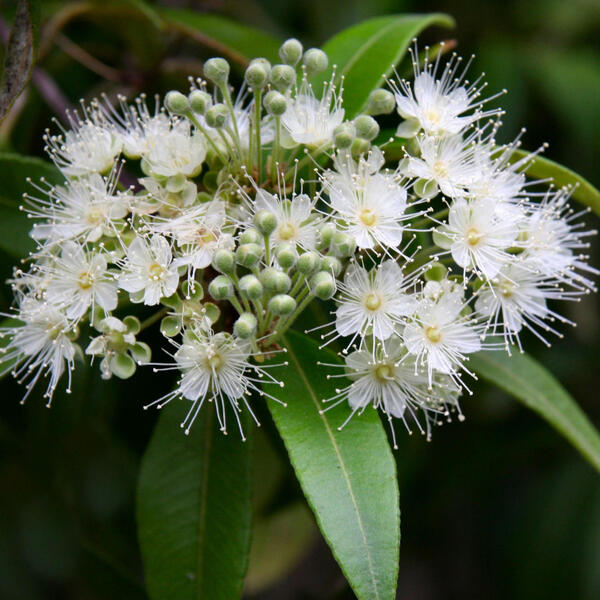
Lemon myrtle essential oil is steam distilled from the leaves of the lemon myrtle tree (Backhousia citriodora), a rainforest species native to eastern Australia that has been used by Indigenous Australians for generations. Indigenous Australians traditionally used lemon myrtle leaves for coughs, colds, sore throats, wounds, and minor skin infections. Silver Botanicals uses lemon myrtle essential oil in several of its all-natural formulations where it is appreciated for its bright citrus aroma and distinctive Australian botanical heritage.
- INCI name: Backhousia Citriodora Leaf Oil
- Ingredient type: Essential Oil
- Method(s) of extraction or purification: Steam-distilled from leaves.
- Parts used: Leaves
- Aroma: Sweet, vibrant, intensely lemony, and cleaner than traditional lemon oil.
- Key constituents: Citral, citronellal, linalool.
- Native region(s): Queensland, Australia.
Interesting Fact(s): Lemon myrtle contains one of the highest naturally occurring concentrations of citral found in any plant.
Galbanum Essential Oil
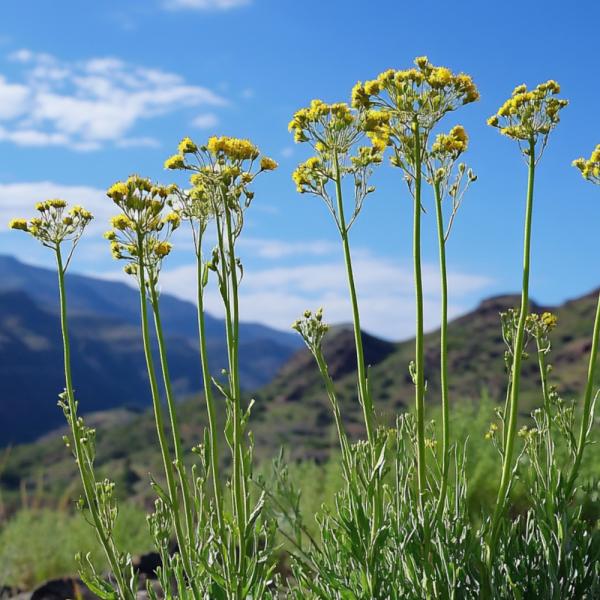
Galbanum essential oil is steam distilled from the resin of Ferula gummosa and related species, aromatic plants native to Iran and neighboring regions of western Asia that have been valued since ancient times. Ancient Egyptian, Greek, and Persian healers used galbanum resin to treat wounds, respiratory ailments, digestive complaints, and inflammatory conditions. Today, galbanum essential oil is used in Silver Botanicals' Gifts from the Magi where it is appreciated for its fresh, green, resinous aroma and rich botanical heritage.
- INCI name: Ferula Galbaniflua Resin Oil (or related Ferula species)
- Ingredient type: Essential Oil
- Method(s) of extraction or purification: Steam-distilled from the aromatic resin.
- Parts used: Resin
- Aroma: Intensely green, earthy, resinous, and slightly bitter with fresh forest notes.
- Key constituents: alpha-Pinene, beta-pinene, sabinene, limonene.
- Native region(s): Iran, Afghanistan, and Central Asia.
Interesting Fact(s): The fresh, intensely green aroma of galbanum has led many spiritual practitioners to associate it with new beginnings, growth, and the renewal of both mind and spirit.
Sandalwood Essential Oil
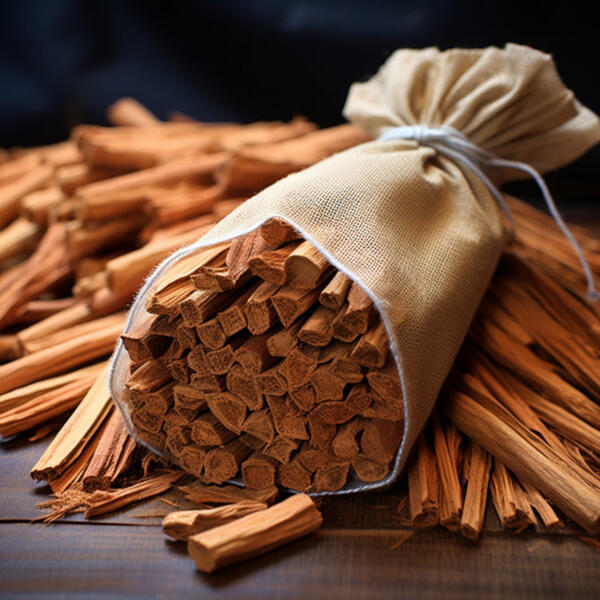
Sandalwood essential oil is steam distilled from the heartwood of sandalwood trees (Santalum album and related species), which are native to India and parts of Southeast Asia and have been prized for more than 4,000 years. Historically, Ayurvedic and traditional Chinese medicine used sandalwood to help treat inflammatory skin conditions, urinary disorders, anxiety, digestive complaints, and respiratory ailments. Sandalwood essential oil is used in Silver Botanicals all-natural essential oil blends where it is appreciated for its warm, woody aroma and enduring botanical heritage.
- INCI name: Santalum Album Oil
- Ingredient type: Essential Oil
- Method(s) of extraction or purification: Steam-distilled from mature heartwood
- Parts used: Heartwood
- Aroma: Rich, creamy, soft, woody, and warm with subtle sweetness
- Key constituents: alpha-Santalol, beta-santalol, santalenes.
- Native region(s): India and parts of Southeast Asia
Interesting Fact(s): A sandalwood tree typically must mature for 20–30 years before producing heartwood suitable for oil extraction.
Helichrysum Essential Oil
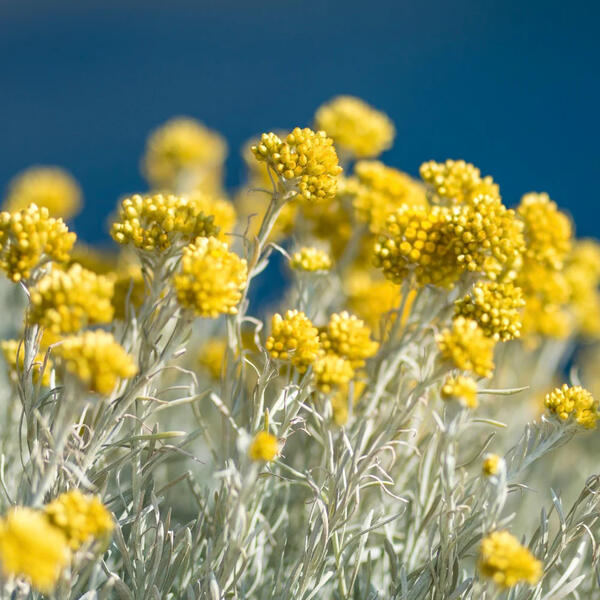
Helichrysum essential oil is steam distilled from the flowering tops of Helichrysum italicum, a fragrant plant native to the Mediterranean region that has thrived along rocky coastal landscapes for centuries. Mediterranean herbal traditions used helichrysum to help treat wounds, burns, bruises, respiratory ailments, and skin disorders. Silver Botanicals uses helichrysum essential oil in several of its all-natural formulations where it is appreciated for its warm, herbaceous aroma and rich botanical heritage.
- INCI name: Helichrysum Italicum Flower Oil
- Ingredient type: Essential Oil
- Method(s) of extraction or purification: Steam-distilled from flowering tops.
- Parts used: Flowers
- Aroma: Sweet, herbaceous, honey-like, earthy, and slightly curry-like.
- Key constituents: Neryl acetate, italidiones, alpha-pinene, gamma-curcumene.
- Native region(s): Mediterranean Basin.
Interesting Fact(s): Helichrysum flowers retain their color and shape long after they are picked, earning the plant nicknames such as Everlasting, Immortelle, and Eternal Flower.
Manuka Essential Oil
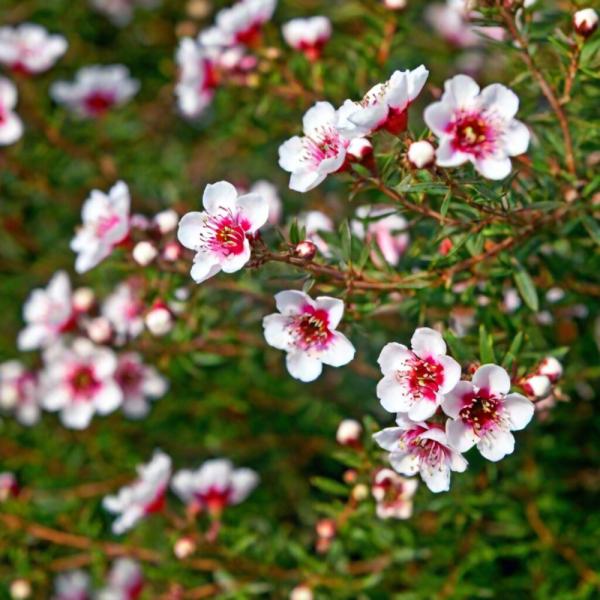
Manuka essential oil is steam distilled from the leaves and branches of the manuka tree (Leptospermum scoparium), a flowering shrub native to New Zealand that has been an important part of the country's natural landscape for centuries. The Maori people traditionally used manuka leaves, bark, and oil-like preparations for wounds, fevers, urinary complaints, and digestive disorders. Silver Botanicals uses manuka essential oil in several of its all-natural essential oils blends where it is appreciated for its fresh, herbaceous aroma and unique New Zealand botanical heritage.
- INCI name: Leptospermum Scoparium (Manuka) Leaf Oil
- Ingredient type: Essential Oil
- Method(s) of extraction or purification: Steam-distilled from leaves.
- Parts used: Leaves
- Aroma: Spicy, herbaceous.
- Key constituents: Favesone, leptospermone, and iso-leptospermone
- Native region(s): New Zealand
Interesting Fact(s): Although manuka and Australian tea tree belong to the same botanical family (Myrtaceae), manuka essential oil has a distinct chemical composition and a warmer, sweeter, more herbaceous aroma.
Carrot Seed Essential Oil
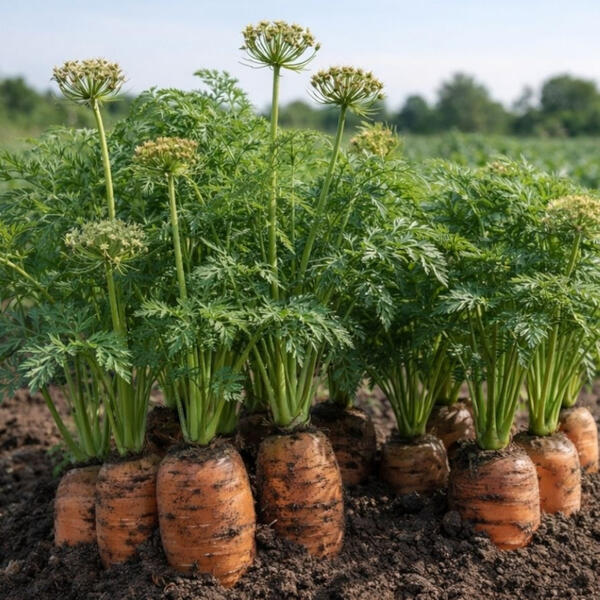
Carrot seed essential oil is steam distilled from the seeds of the wild carrot (Daucus carota), a plant native to Europe, western Asia, and North Africa that has been valued since ancient times. Historically, wild carrot seeds were used in traditional herbal practices by ancient Egyptians, Greeks, and Romans. Traditional European and Ayurvedic herbalists used wild carrot seeds to support digestion, kidney health, and menstrual wellness. Silver Botanicals utilizes carrot seed essential oil in its all-natural skin serum where it is appreciated for its skin supporting properties.
- INCI name: Daucus Carota Sativa Seed Oil
- Ingredient type: Essential Oil
- Method(s) of extraction or purification: steam distillation
- Parts used: Seeds
- Key constituents: Carotol, daucol, beta-bisabolene, alpha-pinene.
- Native region(s): Europe and Central Asia.
Interesting Fact(s): Carrot seed essential oil is distilled from the seeds, while carrot seed carrier oil is typically infused from the roots—they are entirely different ingredients.
Roman Chamomile Essential Oil
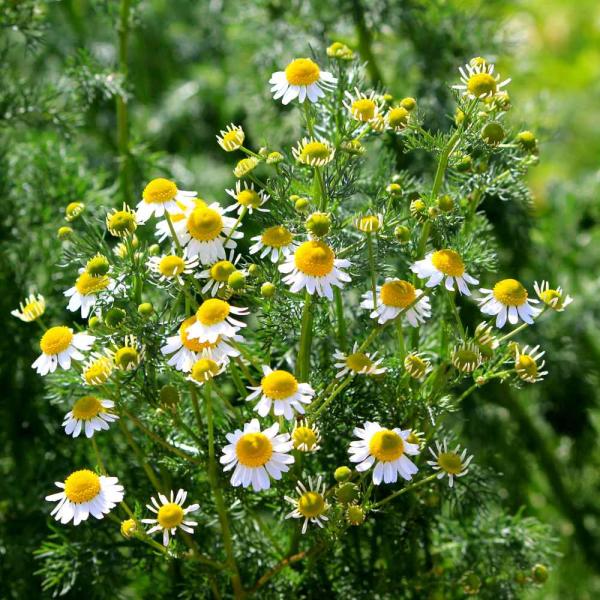
Roman chamomile essential oil is steam distilled from the flowers of the Roman chamomile plant (Chamaemelum nobile), a fragrant herb native to Western Europe that has been cultivated for more than 2,000 years. Historically, Roman chamomile was valued by the ancient Egyptians, Greeks, and Romans for its pleasant aroma and was widely used to relieve anxiety, insomnia, digestive disorders, teething discomfort, and skin irritation. Silver Botanicals utilizes Roman chamomile essential oil in several of its all-natural oil blends where it is appreciated for its sweet, apple-like floral aroma and beneficial skin properties.
- INCI name: Chamaemelum Nobile Oil
- Ingredient type: Essential Oil
- Method(s) of extraction or purification: Steam-distilled from flowers
- Parts used: Flowers
- Aroma: Sweet, herbal, warm, apple-like / slightly honeyed floral
- Key constituents: Chamazulene, bisabolol, matricin
- Native region(s): Western Europe
Interesting Fact(s): Roman chamomile essential oil comes from Chamaemelum nobile (a different plant than German chamomile, Matricaria recutita), even though they’re related by common name.
Geranium Essential Oil
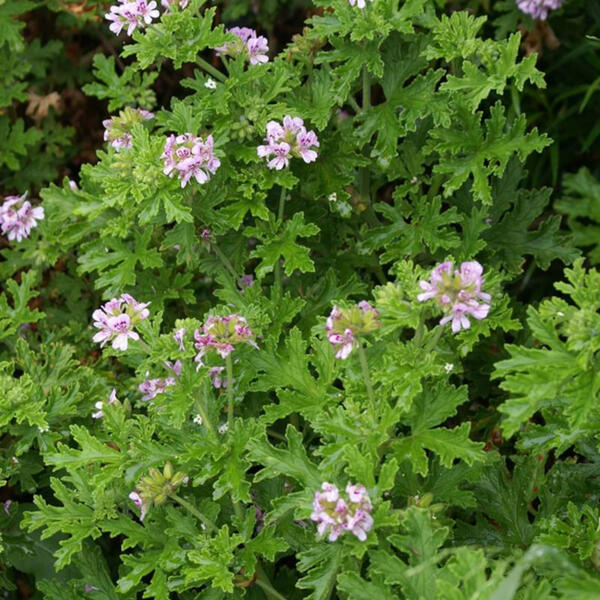
Geranium essential oil is steam distilled from the leaves and flowers of the rose geranium (Pelargonium graveolens), a fragrant plant native to South Africa that has been cultivated around the world since the 17th century. Traditional African and European herbalists used geranium to help treat skin disorders, minor wounds, infections, and digestive complaints. Geranium essential oil is widely used in Silver Botanicals' all-natural products, where it is appreciated for its fresh, floral scent, skin-supporting properties and enduring botanical heritage.
- INCI name: Pelargonium Graveolens Oil
- Ingredient type: Essential Oil
- Method(s) of extraction or purification: Steam-distilled from the leaves and stems.
- Parts used: Leaves and stems
- Aroma: Fresh, rosy, green, lightly minty, and slightly citrus-like.
- Key constituents: Citronellol, geraniol, linalool, citronellyl formate, isomenthone.
- Native region(s): South Africa
Interesting Fact(s): Geranium oil is frequently used as a natural substitute or complement to rose oil because of its similar floral profile.
Clary Sage Essential Oil
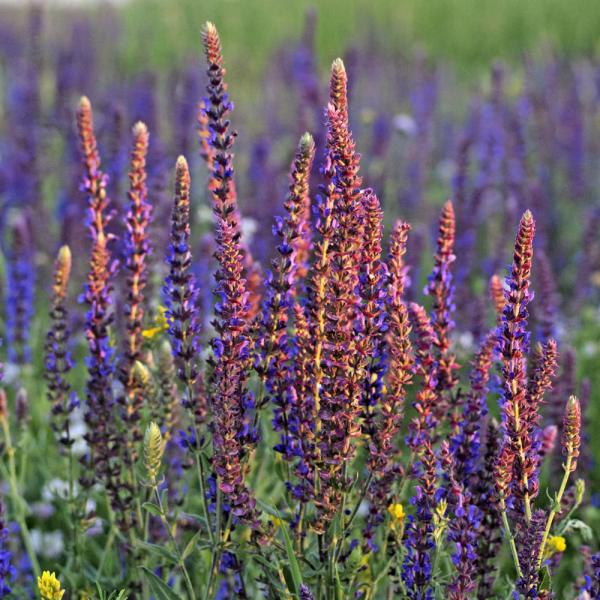
Clary sage essential oil is steam distilled from the flowering tops and leaves of the clary sage plant (Salvia sclarea), a fragrant herb native to the Mediterranean region that has been cultivated since ancient times. Historically, clary sage was valued by the herbalists of Greece, Rome, and medieval Europe to support eye health, digestion, women's health, and nervous system relaxation. Silver Botanicals utilizes clary sage essential oil in several of its all-natural products where it is appreciated for its warm, herbaceous aroma and rich botanical heritage.
- INCI name: Salvia Sclarea Oil
- Method(s) of extraction or purification: Steam-distilled from flowering tops and leaves
- Parts used: Flowers and leaves
- Aroma: Sweet, herbaceous, floral, earthy, and lightly fruity.
- Key constituents: Linalyl acetate, linalool, germacrene D, sclareol
- Native region(s): Mediterranean region
Interesting Fact(s): Its name means “Clear Eye” – The name clary comes from the Latin word clarus, meaning “clear” or “bright,” because the plant was historically associated with preparations for eye care and clarity of vision.
Neroli Essential Oil
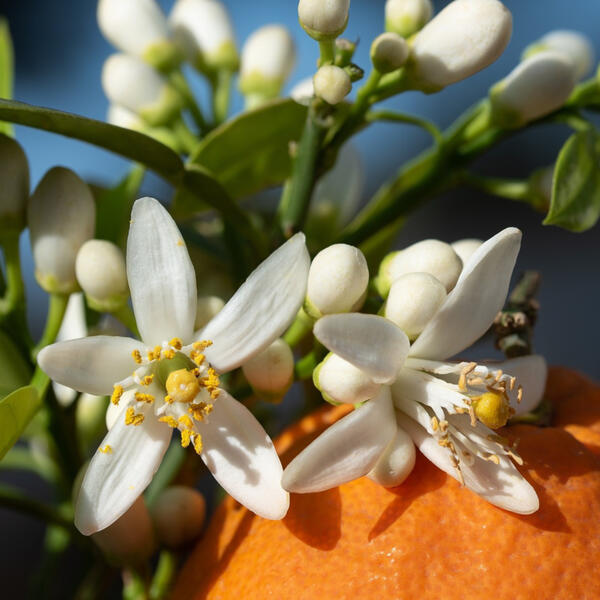
Neroli essential oil is steam distilled from the fragrant blossoms of the bitter orange tree (Citrus × aurantium), a citrus species believed to have originated in Southeast Asia before spreading throughout the Mediterranean region. Traditional Mediterranean and Middle Eastern herbalists used neroli essential oil and bitter orange blossoms to help relieve anxiety, insomnia, nervous tension, digestive complaints, and minor skin conditions, while its fragrant flowers were also valued for promoting relaxation and emotional well-being. Silver Botanicals utilizes neroli essential oil is used in several of its skincare products where it is appreciated for its fresh, sweet floral aroma, amazing skin-supporting properties, and timeless botanical heritage.
- INCI name: Citrus Aurantium Amara Flower Oil
- Ingredient type: Essential Oil
- Method(s) of extraction or purification: Steam-distilled from fresh flowers
- Parts used: Flowers
- Aroma: Exquisitely floral, sweet, fresh, citrusy, green, and delicately honeyed, with subtle spicy and powdery undertones.
- Key constituents: Linalool, linalyl acetate, limonene, nerolidol, alpha-terpineol, beta-pinene, indole, and methyl anthranilate.
- Native region(s): Southeast Asia
Interesting Fact(s): Neroli gets its name from Anna Maria de La Tremoille, the Princess of Nerola, Italy, who popularized the use of bitter orange blossom fragrance in the 17th century by scenting her gloves, baths, and clothing with it.
Vanilla Extract
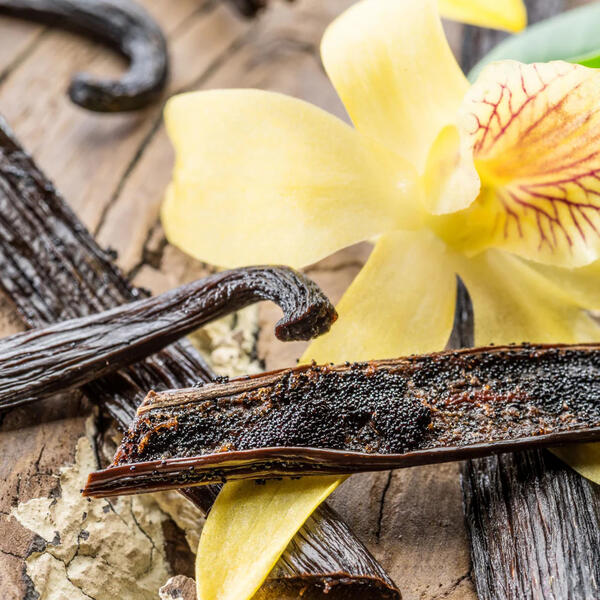
Vanilla extract is derived from the cured pods of the vanilla orchid (Vanilla planifolia), a tropical orchid native to Mexico that has been cultivated and treasured for centuries. Historically, the Totonac and Aztec peoples used vanilla in traditional preparations as a digestive aid, restorative tonic, and aromatic ingredient believed to promote well-being. Vanilla extract is used in several of Silver Botanicals' all-natural products, where it is appreciated for its warm, sweet aroma and rich botanical heritage.
- INCI name: Vanilla Planifolia Fruit Extract
- Ingredient type: Botanical Extract
- Method(s) of extraction or purification: Alcohol extraction of cured seed pods
- Parts used: Fruit (seed pods)
- Aroma: Warm, rich, sweet, classic vanilla scent.
- Key constituents: Vanillin, vanillic acid, and aromatic phenolic compounds
- Native region(s): Mexico; now widely cultivated in Madagascar and other tropical regions.
Interesting Fact(s): Each vanilla flower blooms for just one day and must be pollinated during that short window.
Burdock Root Tincture
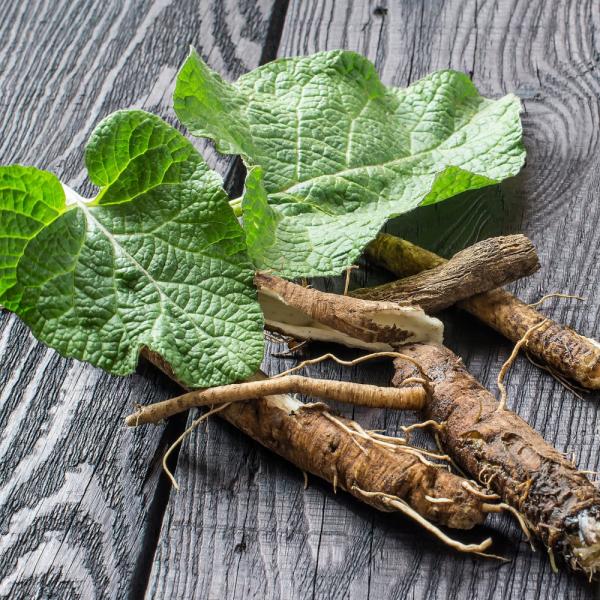
Burdock (Arctium lappa) is native to Europe and Asia, where its roots have been used in traditional herbal practices for centuries, and the tincture is created by extracting the root's naturally occurring compounds in alcohol or glycerin. Traditionally, burdock root was used in European, Chinese, and Japanese herbal practices to support healthy skin and normal liver function. Today, burdock root tincture is used in a variety of Silver Botanicals all-natural products where it is appreciated for its long history of traditional, skin-supporting use.
- INCI name: Arctium Lappa Root Extract
- Ingredient type: Botanical Tincture
- Method(s) of extraction or purification: Alcohol extraction of the root.
- Parts used: Root
- Aroma: Earthy, woody, and mildly sweet.
- Key constituents: Inulin, polyphenols, lignans, flavonoids, tannins.
- Native region(s): Europe and Asia.
Interesting Fact(s): The invention of Velcro® was inspired by burdock burrs that clung to clothing and animal fur.
Honeysuckle Tincture
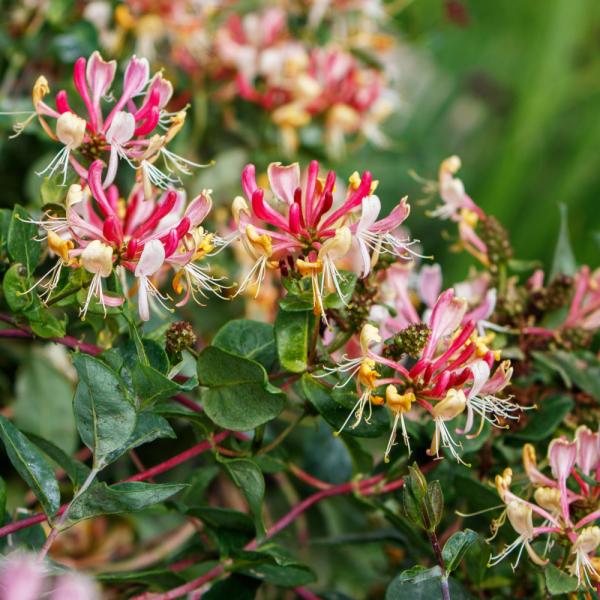
Honeysuckle tincture is made by extracting the flowers of honeysuckle (Lonicera species), climbing plants native to Europe, Asia, and North America that have been cultivated in gardens and traditional herbal practices for centuries. Traditional Chinese medicine used honeysuckle to help treat fevers, sore throats, infections, skin eruptions, and inflammatory conditions. Honeysuckle tincture is used in Silver Botanicals' all-natural bath additive where it is appreciated for its whole-body supporting properties.
- INCI name: Lonicera Japonica Flower Extract
- Ingredient type: Botanical Extract
- Method(s) of extraction or purification: Alcohol extraction of flowers
- Parts used: Flowers
- Aroma: Light, sweet, floral, and delicately honey-like.
- Key constituents: Chlorogenic acid, luteolin, flavonoids, saponins.
- Native region(s): Eastern Asia.
Interesting Fact(s): Many honeysuckle flowers produce sweet nectar that can be tasted directly from the blossom.
Green Tea Extract
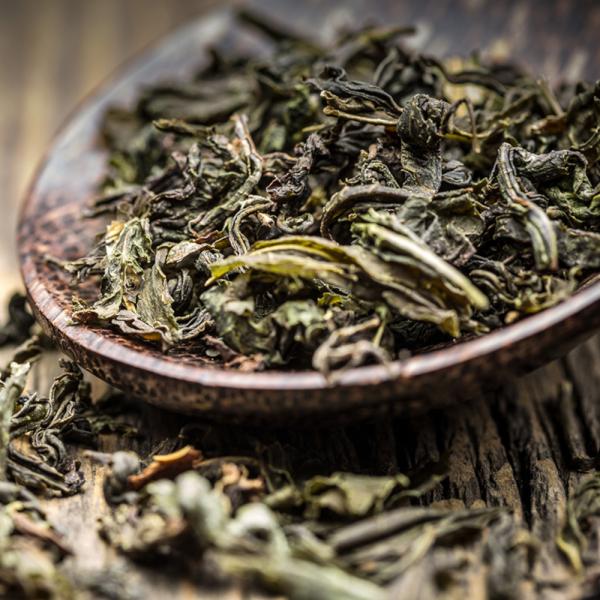
Green tea extract is derived from the leaves of the tea plant (Camellia sinensis), which originated in China and has been cultivated for more than 4,000 years before spreading throughout Asia and the rest of the world. Historically, green tea was treasured in Chinese and Japanese cultures for its role in traditional herbal practices, ceremonies, and daily life, becoming one of the world's most influential botanical plants. Green tea extract is used in Silver Botanicals' all-natural bath additive where it is appreciated for its body-supporting properties and rich botanical heritage.
- INCI name: Camellia Sinensis Leaf Extract
- Parts used: Leaves
- Aroma: Fresh, green, grassy, and lightly herbal.
- Key constituents: Catechins (especially EGCG), polyphenols, caffeine, flavonoids.
- Native region(s): China
Interesting Fact(s): Green tea leaves are processed with minimal oxidation, preserving many of their natural catechins.
Cucumber Peel Extract
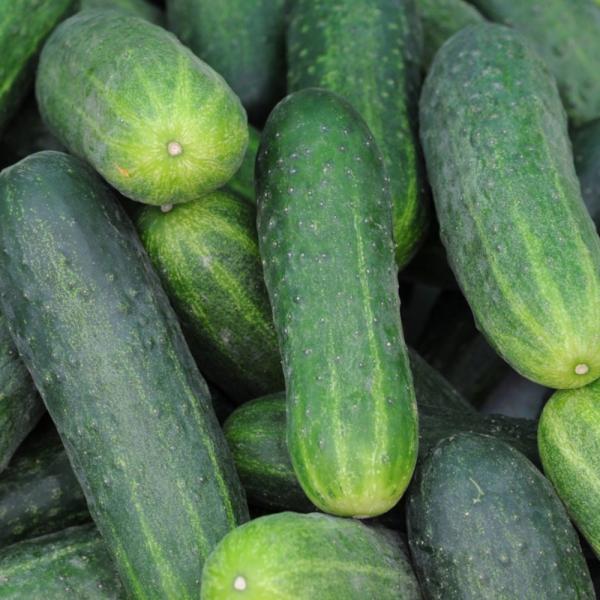
Cucumber peel extract is derived from the outer skin of the cucumber (Cucumis sativus), a plant believed to have originated in India that has been cultivated for more than 3,000 years. Traditionally, cucumber was applied to soothe irritated skin, reduce puffiness, and cool minor skin discomfort. Today, cucumber peel extract is used in Silver Botanicals' all-natural bath additive, where it is appreciated for its fresh botanical origin and clean, natural appeal.
- INCI name: Cucumis Sativus Fruit Extract
- Ingredient type: Botanical Extract
- Method(s) of extraction or purification: enzymolysis
- Parts used: Peel
- Aroma: Fresh, cool, clean, and lightly green
- Key constituents: Vitamin C, caffeic acid, cucurbitacins, silica, polysaccharides.
- Native region(s): India, now cultivated worldwide
Interesting Fact(s): The peel contains higher levels of antioxidants, including flavonoids and cucurbitacins, as well as vitamin K and other phytonutrients compared to the inner flesh.
White Willow Bark Tincture
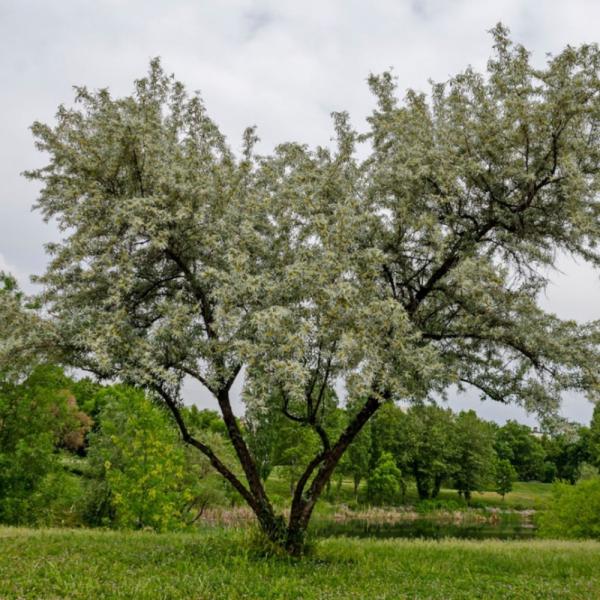
White willow bark tincture is made by extracting compounds from the bark of the white willow tree (Salix alba), a species native to Europe and western Asia that has been used in traditional herbal practices for thousands of years. Historically, white willow bark was used by ancient Egyptians, Hippocrates, and later European herbalists to relieve pain, reduce fever, and ease inflammatory conditions. White willow bark tincture is used occasionally in Silver Botanicals' all-natural skin care products where it is appreciated for its long history of traditional use and plant-based origin.
- INCI name: alix Alba Bark Extract
- Ingredient type: Botanical Tincture
- Method(s) of extraction or purification: Alcohol extraction of bark
- Parts used: Bark
- Aroma: Usually woody/bitter or neutral
- Key constituents: Salicin , salicylates, flavonoids / polyphenols
- Native region(s): Europe and parts of western Asia
Interesting Fact(s): White willow bark contains salicin, which the body can convert to salicylate-like compounds—this is part of the historical link to salicylic-acid–type chemistry used later in skincare.
Echinacea Tincture
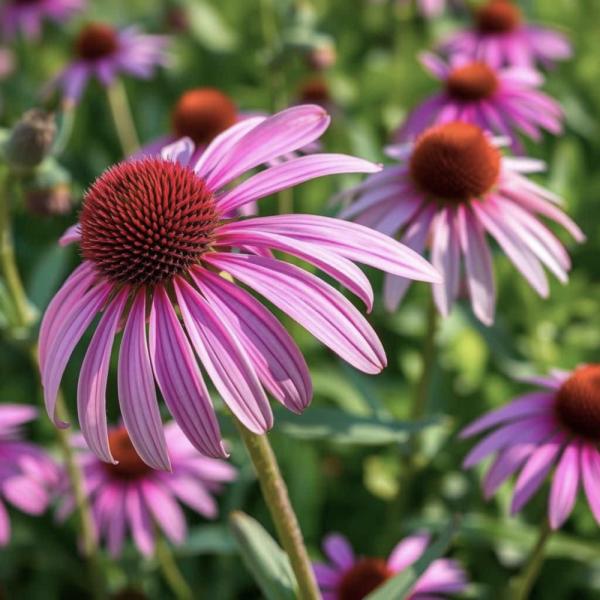
Echinacea tincture is made by extracting the roots and flowering parts of Echinacea species, plants native to the central and eastern regions of North America that have been used for centuries. Indigenous peoples of North America traditionally used echinacea for wounds, infections, sore throats, snake bites, and various inflammatory conditions and its use later became established in American and European herbal traditions. Today, echinacea tincture is used in several of Silver Botanicals all-natural products where it is appreciated for its rich botanical heritage and long history of traditional use.
- INCI name: Echinacea Purpurea Extract
- Ingredient type: Botanical Tincture
- Method(s) of extraction or purification: Alcohol extraction of roots and aerial parts.
- Parts used: Roots, flowers, leaves, and stems.
- Aroma: Mildly earthy, herbaceous, and slightly floral.
- Key constituents: Chicoric acid, echinacoside, polysaccharides, alkylamides.
- Native region(s): Central and eastern North America.
Interesting Fact(s): Echinacea flowers belong to the daisy family and its name means “spiny” – The name Echinacea comes from the Greek word echinos, meaning “hedgehog,” referring to the plant’s distinctive cone-shaped flower center covered with stiff, spiky structures.
Licorice Root Tincture
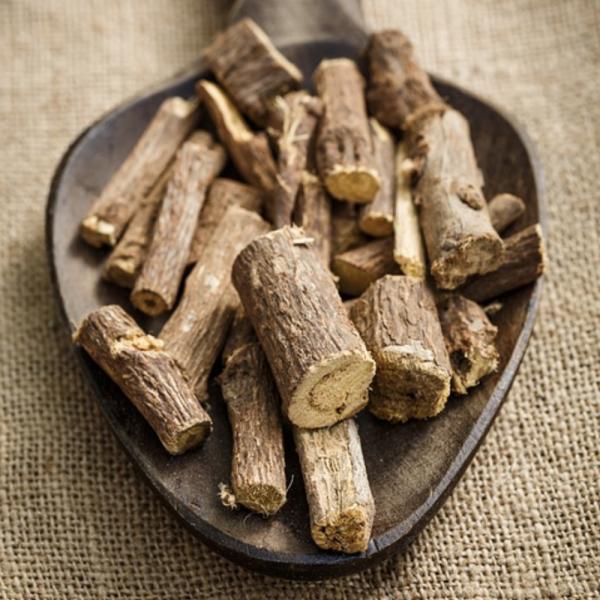
Licorice root tincture is made by extracting the roots of the licorice plant (Glycyrrhiza glabra), a perennial herb native to southern Europe and western Asia that has been cultivated for more than 4,000 years. Traditional Chinese, Egyptian, Greek, and Ayurvedic medicine used licorice root to soothe coughs, relieve sore throats, support digestion, and treat a variety of respiratory ailments. Silver Botanicals uses licorice root tincture in several of its all-natural formulations where it is appreciated for its rich botanical heritage and plant-based origin.
- INCI name: Glycyrrhiza Glabra Root Extract
- Method(s) of extraction or purification: Alcohol extraction of the root.
- Parts used: Root
- Aroma: Mildly sweet, earthy, and woody with subtle herbal notes.
- Key constituents: Glycyrrhizin, glabridin, liquiritin, flavonoids, saponins.
- Native region(s): Southern Europe, the Middle East, and Central Asia.
Interesting Fact(s): Licorice root was discovered in the tomb of King Tutankhamun, suggesting it was valued enough to accompany the pharaoh into the afterlife.
Comfrey Tincture
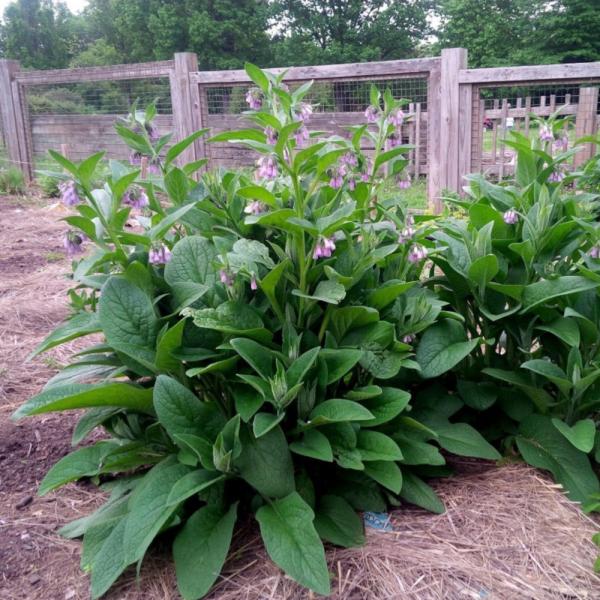
Comfrey tincture is made by extracting the leaves or roots of the comfrey plant (Symphytum officinale), a perennial herb native to Europe and parts of Asia that has been cultivated in traditional herbal gardens for centuries. For centuries, comfrey was applied to bruises, sprains, broken bones, and wounds, earning the traditional nickname "knitbone" because of its reputation for supporting tissue repair. Today, comfrey tincture is used in Silver Botanicals' all-natural products where it is appreciated for its long history of traditional use and plant-based origin.
- INCI name: Symphytum Officinale Root Extract
- Ingredient type: Botanical Tincture
- Method(s) of extraction or purification: Alcohol extraction of roots and leaves
- Parts used: Root and leaves
- Aroma: Mild, earthy, and herbaceous
- Key constituents: Allantoin, rosmarinic acid, mucilage, tannins
- Native region(s): Europe and Western Asia
Interesting Fact(s): The name comfrey comes from the Latin confervere or consolidare, meaning “to join together” or “to mend,” reflecting its long historical association with supporting the healing of bones and tissues.
St. Johns Wort Tincture
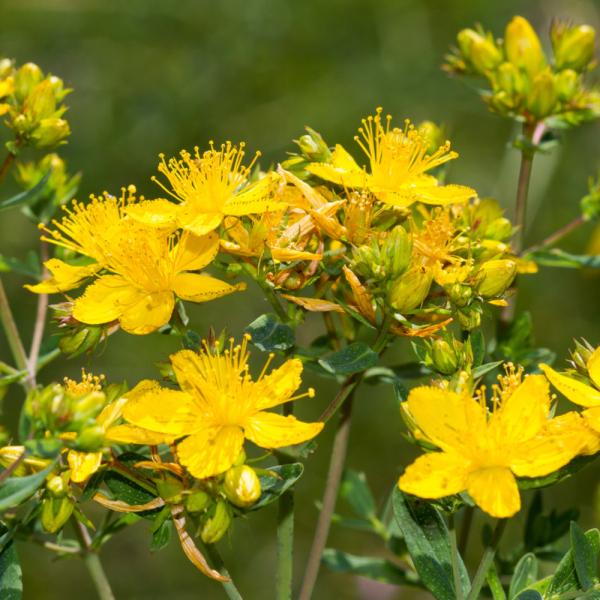
St. John’s wort tincture is made by extracting the flowering tops of Hypericum perforatum, a perennial herb native to Europe and parts of Asia that has been used in traditional botanical practices for thousands of years. Traditional European herbalists used St. John’s wort (Hypericum perforatum) for centuries to support wound healing, soothe burns and nerve-related discomfort, and later used it in herbal preparations for mood balance and emotional well-being. Silver Botanicals utilizes St. John’s wort tincture in select all-natural formulations where it is appreciated for its long history of traditional use and plant-based heritage.
- INCI name: Hypericum Perforatum Extract
- Ingredient type: Botanical Tincture
- Method(s) of extraction or purification: Alcohol extraction of flowering tops
- Parts used: Flowers and aerial parts
- Aroma: Mildly herbaceous with subtle earthy notes
- Key constituents: Hypericin, hyperforin, flavonoids, tannins
- Native region(s): Europe, Western Asia, and North Africa
Interesting Fact(s): St. Johns Wort's bright yellow flowers release a reddish pigment when crushed.
Milk Thistle Tincture
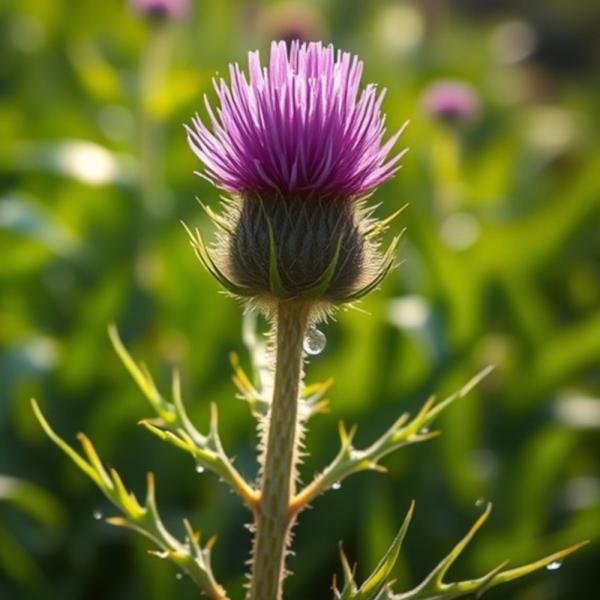
Milk thistle tincture is made by extracting the seeds of the milk thistle plant (Silybum marianum), a flowering herb native to the Mediterranean region that has been cultivated for more than 2,000 years. Historically, since the time of Dioscorides in the first century, milk thistle has been used to support liver and gallbladder health and to treat digestive disorders. Milk thistle tincture is used a few of SIlver Botanicals' all-natural formulations where it is valued for its enduring botanical heritage and plant-based origin.
- INCI name: Silybum Marianum Extract
- Ingredient type: Botanical Extract
- Method(s) of extraction or purification: Extracted from milk thistle plant material (commonly seeds) using a solvent-extraction process
- Parts used: Seeds
- Aroma: Mild herbal/plant-like
- Key constituents: Silymarin flavonolignans—especially silybin (major), plus silychristin, silydianin, and related isomers (e.g., isosilybin/isosilychristin, depending on standardization)
- Native region(s): Mediterranean region
Interesting Fact(s): Milk thistle seeds contain silymarin, a group of flavonolignans including silybin, silydianin, and silychristin, which are responsible for much of the plant’s scientific interest.
Calendula Tincture
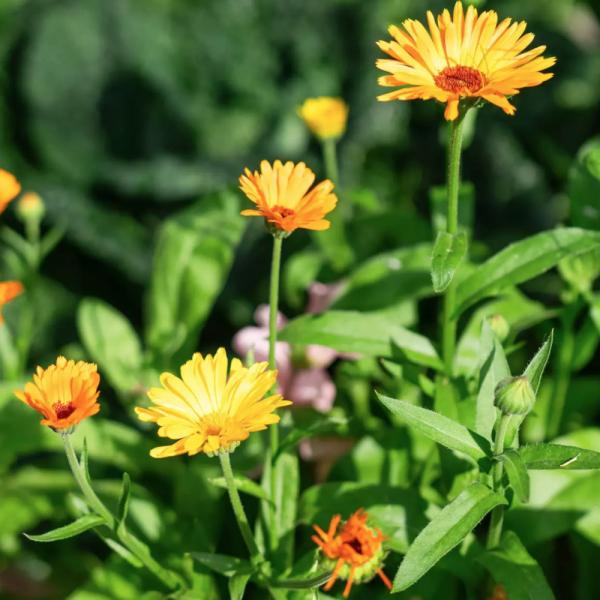
Calendula tincture is made by extracting the flowers of calendula (Calendula officinalis), a plant native to the Mediterranean. Historically, calendula flowers were widely used in traditional herbal preparations, culinary applications, and botanical remedies by ancient Romans and later throughout medieval Europe. Traditionally, calendula flowers were applied to cuts, burns, rashes, and wounds to promote healing and help reduce inflammation. Silver Botanicals uses calendula tincture is its all-natural bath additive where it is valued for its botanical heritage.
- INCI name: Calendula Officinalis Flower Extract
- Ingredient type: Botanical Tincture
- Method(s) of extraction or purification: Alcohol extraction of flower petals.
- Parts used: Flowers
- Aroma: Soft, herbaceous, slightly floral, and lightly resinous.
- Key constituents: Flavonoids, triterpenoids, carotenoids, saponins.
- Native region(s): Southern Europe and the Mediterranean.
Interesting Fact(s): Calendula flowers were once called "poor man's saffron" because they were used to add color to foods and fabrics.
Chamomile Tincture
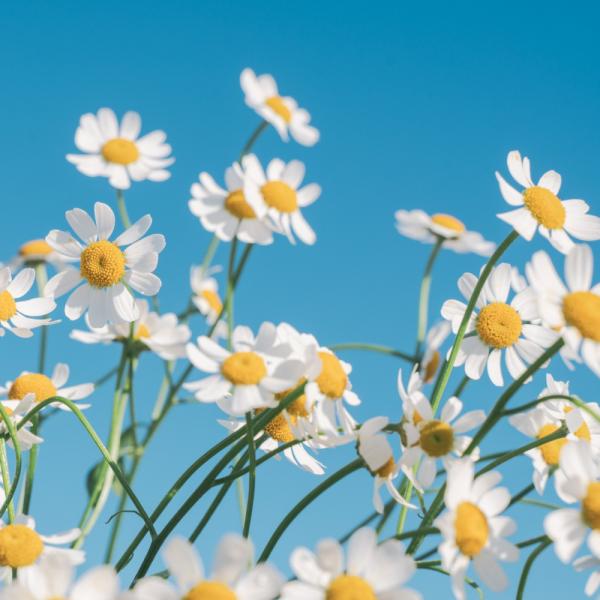
Chamomile tincture is made by extracting the flowers of chamomile (Matricaria chamomilla or Chamaemelum nobile), aromatic plants native to Europe and western Asia that have been cultivated for thousands of years. Historically, ancient Egyptians, Greeks, Romans, and European herbalists used chamomile to calm digestive complaints, reduce fevers, promote sleep, and soothe inflamed skin. Chamomile tincture is used in Silver Botanicals' all-natural bathh additve where it is appreciated for its rich skin-supporting, botanical heritage and long history of traditional use.
- INCI name: Chamomilla Recutita Flower Extract
- Ingredient type: Botanical Tincture
- Method(s) of extraction or purification: Alcohol extraction of flowers
- Parts used: Flowers
- Key constituents: Flavonoids, chamazulene, bisabolol, other terpenoids.
- Native region(s): Southern and eastern Europe, and parts of western Asia
Interesting Fact(s): Chamomile’s distinctive calming effects are often linked to a compound called apigenin, which can bind to benzodiazepine receptors in the brain—meaning it may promote relaxation without producing the same strong “sedative” effects as typical prescription anti-anxiety drugs.
Niacinamide
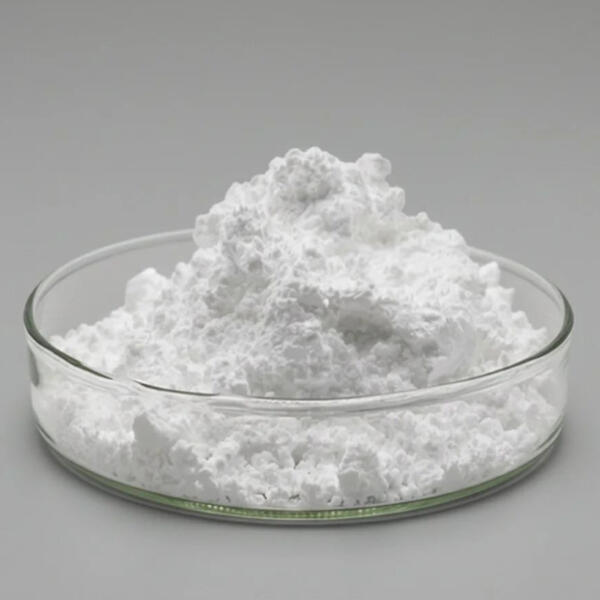
Niacinamide, a form of vitamin B3, is a naturally occurring nutrient found in foods such as whole grains, legumes, nuts, and mushrooms, and it was first identified by scientists in the early 20th century during vitamin research. Historically, vitamin B3 was recognized as an essential nutrient, leading to its widespread use in nutritional and personal care formulations as scientific understanding advanced. Today, niacinamide is used in many of Silver Botanicals' all-natural skin care products where it is valued as a nature vitamin that supports the normal skin-barrier function.
- INCI name: Niacinamide (Vitamin B3)
- Ingredient type: Vitamin
- Method(s) of extraction or purification: fermentation, catalytic amidation, oxidation & hydration steps
Interesting Fact(s): Niacinamide is naturally found in many foods – It occurs naturally in foods such as mushrooms, peanuts, whole grains, legumes, and meat, and its compatibility with skin has made it one of the most widely used vitamin-based ingredients in modern personal care formulations.
MSM
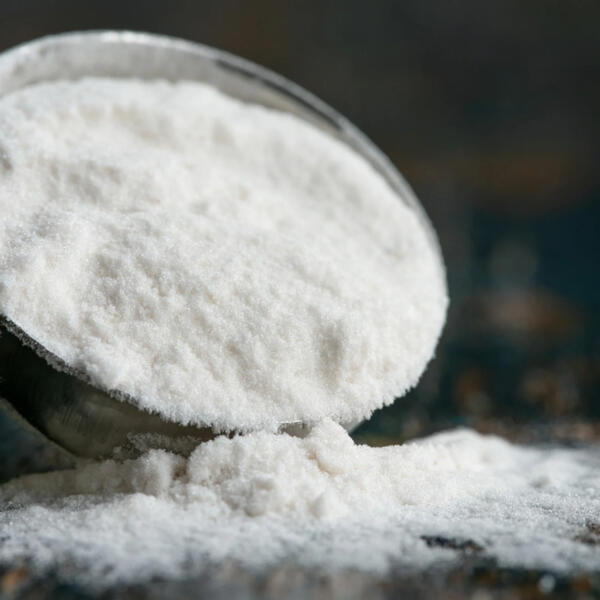
MSM (methylsulfonylmethane) is a naturally occurring sulfur compound found in small amounts in plants, animals, and the environment, and modern MSM is typically produced through a process that replicates its natural molecular structure. Historically, sulfur-rich mineral springs and naturally occurring sulfur compounds have been valued by cultures around the world, while purified MSM became widely available for personal care and wellness applications during the late 20th century. Today, MSM is used in all-natural lotions, creams, gels, soaps, and botanical skin care products, where it is appreciated as a naturally occurring sulfur source and a versatile ingredient in modern formulations.
- INCI name: Methylsulfonylmethane
- Ingredient type: Sulfur-containing cosmetic active
Interesting Fact(s): MSM is sometimes described as a “sulfur donor” related to skin proteins like keratin/collagen in skincare marketing and traditional use narratives
Xanthan Gum
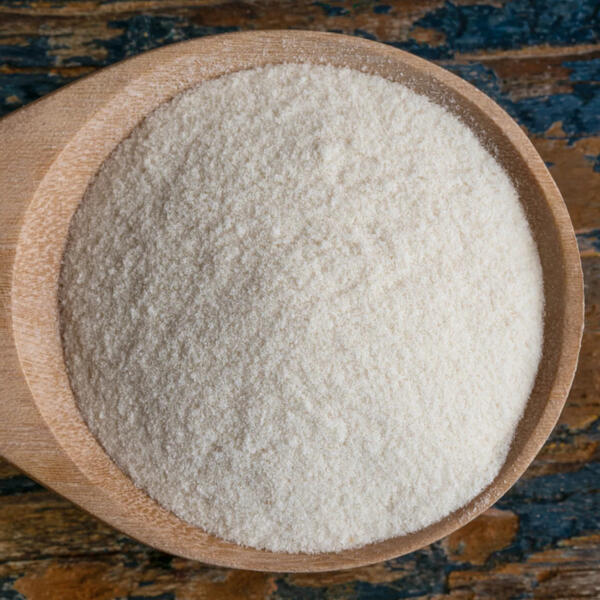
Xanthan gum is a naturally derived polysaccharide produced through the fermentation of plant-based sugars, a process discovered in the mid-20th century that utilizes naturally occurring microorganisms. Historically, fermentation has been used for thousands of years to create foods, beverages, and useful natural materials, with xanthan gum becoming an important innovation in modern food and personal care production. Today, xanthan gum is used in many of Silver Botanicals' all-natural formulations, where it acts as a natural thickener and stabilizer to create smooth, consistent formulations.
- INCI name: Xanthan Gum
- Ingredient type: Polysaccharide; thickener and stabilizer (viscosity modifier; suspension stabilizer)
- Method(s) of extraction or purification: Produced by microbial fermentation using Xanthomonas campestris
- Key constituents: A high–molecular-weight polysaccharide composed of repeat units containing glucose, mannose, glucuronic acid, and side-chain acetyl/pyruvyl substitutions
Interesting Fact(s): It’s an anionic polysaccharide and is noted for stabilizing emulsions and suspensions across a broad pH/temperature range
Vitamin C
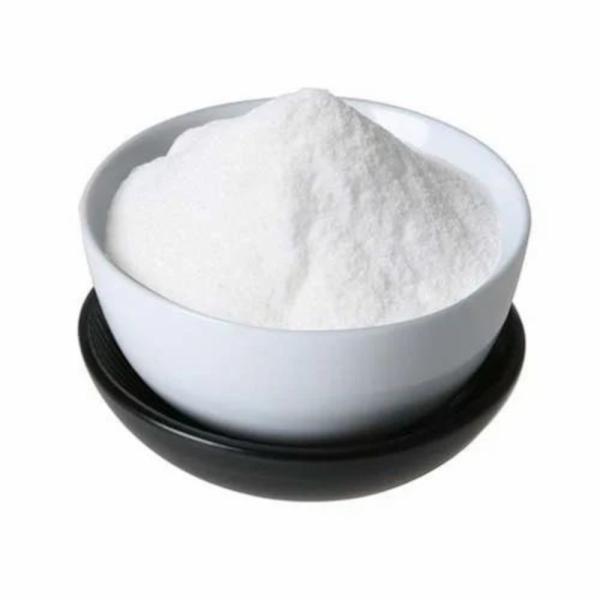
Vitamin C is a naturally occurring nutrient found in many fruits and vegetables, especially citrus fruits, berries, and leafy greens, and it has been recognized as an essential vitamin since its identification in the early 20th century. Historically, plants rich in vitamin C were valued in traditional diets around the world, and scientific research later led to the development of stable vitamin C ingredients for food and personal care applications. Today, vitamin C is widely used in all-natural skin care products, serums, lotions, and creams, where it is appreciated as a plant-derived nutrient and valuable ingredient in modern botanical formulations.
- INCI name: Ascorbic Acid
- Ingredient type: Vitamin
- Key constituents: Ascorbic Acid
Interesting Fact(s): Humans are among the few animals that cannot make vitamin C – unlike most mammals, humans lost the ability to produce vitamin C internally and must obtain it through diet or supplementation.
Panthenol
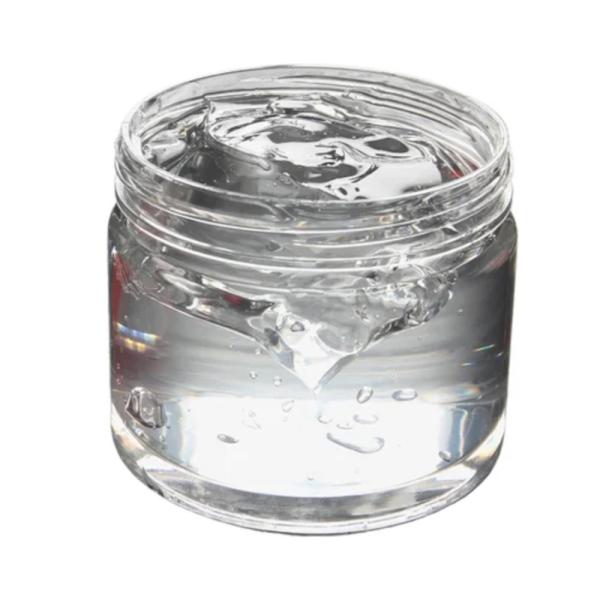
Panthenol, also known as provitamin B5, is the stable form of pantothenic acid, a naturally occurring vitamin found in plants, animals, and many whole foods that was identified during vitamin research in the early 20th century. Pantothenic acid was recognized in the 20th century as an essential nutrient, and panthenol has since been used to promote skin repair, wound healing, and healthy hair. Today, panthenol is used in Silver Botanicals' all-natural bath additive where it is valued for its conditioning properties and compatibility with plant-based formulations.
- INCI name: Panthenol
- Ingredient type: Vitamin Derivative / Humectant
Interesting Fact(s): Panthenol has a long history of use in wound-care and soothing formulations, including products designed to support the skin after environmental stress, dryness, or irritation, which helped establish its reputation as a gentle, skin-conditioning ingredient.
Spirulina Extract
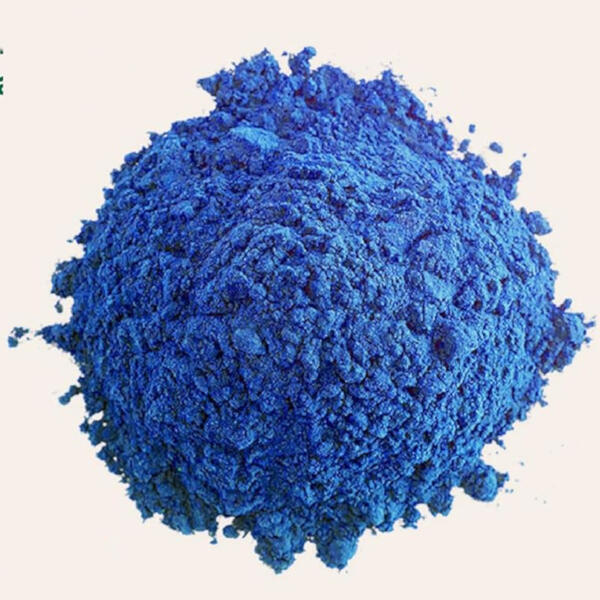
Blue spirulina extract is a natural botanical ingredient derived from spirulina, a nutrient-rich freshwater microalgae known for its vibrant blue pigment called phycocyanin. Used for centuries as a valued food source by cultures near nutrient-rich lakes, spirulina has gained modern popularity as a sustainable superfood and natural cosmetic ingredient. In personal care formulations, blue spirulina extract is appreciated for its rich color, antioxidant compounds, and association with nourishing, revitalizing skin care. Its deep blue hue provides a naturally derived alternative to synthetic colorants, while its mineral, protein, and pigment content make it a distinctive ingredient in modern all-natural beauty and wellness products.
- INCI name: Spirulina Platensis Extract
- Ingredient type: Botanical Extract
- Key constituents: Rich in phycocyanin (the pigment responsible for its blue color), chlorophyll, carotenoids, minerals, amino acids, vitamins, and antioxidant compounds.
- Native region(s): Freshwater microalga
Interesting Fact(s): The name “spirulina” comes from the Latin word spira, meaning “spiral,” referring to the microscopic spiral-shaped structure of the algae.
Vitamin E
Vitamin E is a naturally occurring antioxidant found in plant oils, nuts, seeds, and leafy green vegetables, and it was first identified by scientists in the early 20th century while studying nutrients essential to healthy plant and animal life. Historically, vitamin E has been obtained from nutrient-rich plant sources, particularly vegetable oils, and has long been valued as a naturally occurring component of botanical ingredients. Today, naturally sourced vitamin E is used in many of Silver Botanicals' all-natural products, where it helps support product stability while serving as a skin-protecting, plant-derived ingredient.
- INCI name: Tocopherol (vitamin E)
- Ingredient type: Fat-soluble antioxidant; vitamin
- Aroma: Usually neutral/mild (can vary slightly by form and grade; often described as having a faint oil-like character)
- Key constituents: Alpha-, beta-, gamma-, and delta-tocopherols.
Interesting Fact(s): Vitamin E is a powerful oil-soluble antioxidant used in skincare because it helps protect oils from oxidation. In personal care products, it is commonly added not only for its skin-conditioning properties but also to help stabilize natural oils such as jojoba, rosehip, and sunflower oils, extending the shelf life of oil-based formulations.
Lecithin (Sunflower)
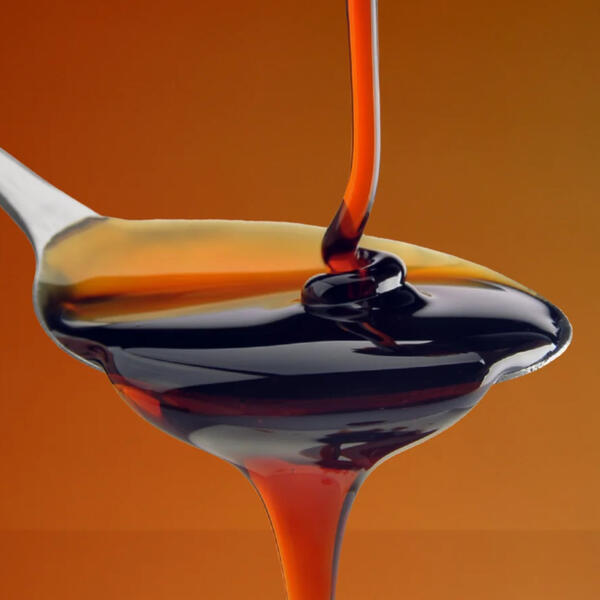
Sunflower lecithin is a naturally occurring phospholipid extracted from sunflower seeds (Helianthus annuus), a plant native to North America that has been cultivated for centuries and is now grown worldwide. Historically, sunflowers were an important crop for many Indigenous peoples, who used the seeds for food, oil, and other practical purposes, while lecithin became widely utilized as natural extraction methods advanced. Silver Botanicals extensively uses sunflower lecithin its all-natural formulations where it serves as a natural emulsifier that helps blend oil- and water-based ingredients into smooth, stable formulations.
- INCI name: Lecithin
- Ingredient type: Emmulsifier
- Method(s) of extraction or purification: Extracted from seeds
- Parts used: Seeds
- Key constituents: A mixture of phospholipids (notably phosphatidylcholine) plus other minor constituents such as triglycerides and other accompanying fractions.
- Native region(s): North America
Interesting Fact(s): Sunflower lecithin is commonly used as a non-soy lecithin option for emulsification, and it’s produced as a byproduct of sunflower oil processing.
Colloidal Silver
Colloidal silver is made by dispersing microscopic particles of silver in purified water, building on the long history of silver as a naturally occurring element that has been valued by civilizations around the world for thousands of years. Historically, silver was used in ancient Egypt, Greece, Rome, and other cultures in vessels, utensils, and various traditional preparations because of its durability, value, and perceived ability to protect ones health. Colloidal silver is a cornerstone to all of Silver Botanicals' formulations, being featured in all of our all-natural, personal and household care products.
- INCI name: Colloidal Silver
- Ingredient type: colloid
- Key constituents: Nanosilver particles
Interesting Fact(s): In some cultures, silver is treated like a “protector” material. Beyond modern explanations, silver’s historical reputation for cleanliness and preservation fed into beliefs about warding off illness or decay. For example, silver was used for drinking vessels to reduce spoilage of stored liquids.
Colloidal Gold
Colloidal gold is made by suspending microscopic particles of gold in purified water, building on the long history of gold as a naturally occurring element that has been prized by civilizations around the world for thousands of years. Historically, gold was valued by ancient Egyptian, Greek, Roman, and Asian cultures for its beauty and use in ceremonial, artistic, and traditional preparations. Today, colloidal gold is incorporated into select all-natural skin care products, serums, creams, and botanical cosmetic formulations, where it is appreciated as a naturally derived mineral ingredient that adds a touch of luxury to modern products.
- INCI name: Gold
- Ingredient type: Mineral Dispersion
- Aroma: Odorless
- Key constituents: Elemental gold nanoparticles or microparticles
Interesting Fact(s): Colloidal gold solutions have a purple color with concentrated solution having the appearance of a red wine.
About Our Ingredients
About Our Quality Standards
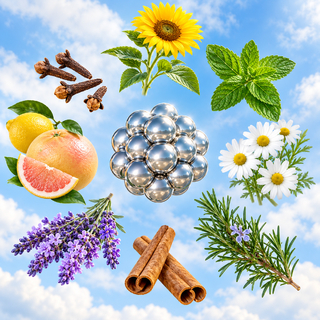
Silver Botanicals' products contain high quality (food grade or better; organic or wildcrafted, whenever available), all-natural, known-to-be safe (GRAS) ingredients. We never use synthetic ingredients, such as GMOs, petrochemicals, or highly-processed ingredients. We formulate and manufacture our products in our own facility and we do not outsource our production to third parties. We produce our own ultra pure water with an 8-stage, reverse osmosis system, that is free of virtually any contaminants. We do not conduct animal testing, or outsource any such tests (our products are "cruelty free").
We're more than happy to answer any specific questions. Feel free to contact us!
About Our Essential Oils
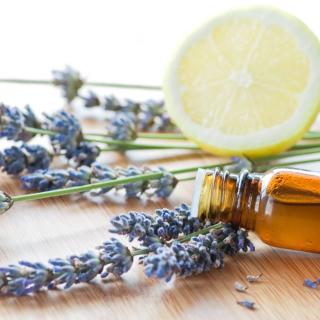
At Silver Botanicals we use pure, unadulterated, high quality, essential oils. This means that nothing has been added and nothing has been taken away. Our oils are mostly steam distilled, with a few oils that are absolutes, cold-pressed, or extracts. Our oils are organic and/or wildcrafted whenever possible. Our oils are selected with respect to their native regions of the world which impart their respective therapeutic value and potency.
Would you like to know more about essential oils?
About Our Colloidal Silver
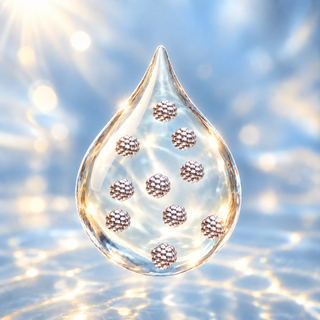
At Silver Botanicals we use true colloidal silver, which we source and manufacture. True colloidal silver is a refined suspension of silver nano particles in ultra pure water. These silver particles contain, on average, around 30 atoms (~0.65 nanometers in diameter). Our products contain between 10-30 ppm of true colloidal silver. Both the particle size and concentration are ideal for each product's intended use.
Would you like to know more about colloidal silver?
Total Body Skin Therapy FAQ
Why use a bath additive?
Most skin care products are intended for targeted use. I.E. a facial serum is intended for the face. Total Body Skin Therapy, on the other hand, is intended for you whole body (all of your skin). As such, a bath is best suited for this application--total body immersion. Thus, a luxury bath additive to benefit your 'Total Body'.
Does Total Body Skin Therapy soften the skin?
Yes, and does so very well! This is one of the top comments we hear about Total Body Skin Therapy.
Our 'smart emulsion technology' creates billions of micro-bubbles within each bath treatment, containing botanical extracts, essential oils, vitamins, sea minerals and nutritive lipids. Thus, a glowing, soft-skin feeling.
How many bath treatments are within a bottle?
For an average bathtub, which holds about ~80 gallons of water, our 16 oz. bottle, provides two bath treatments.
Some bathtubs may be much larger (double ~80 gallons or more). In which case, using double the amount of Total Body Skin Therapy may be necessary to achieve the full benefits as intended.
For those who wish to use more or less Total Body Skin Therapy per bath, this should be perfectly fine. Although, we encourage use as recommended.
Is Total Body Skin Therapy safe for use with a hot tub, i.e. a system with jets?
Total Body Skin Therapy should be perfectly safe to use with most hot tubs (active systems with jets). However, the distinction is between those systems where the water is drained after each bath, and those which are not.
Systems, like those found in master baths are generally safe for use with Total Body Skin Therapy. Meanwhile, backyard style hot tubs, which employ filters, are intended for group use and are not drained and cleaned after each use, is not intended for use with this product.
In any case though, we recommend cleaning your hot tub after each bath. This would simply include running fresh water through the system until it's sufficiently free of any formula residue.
Make sure to consult you hot tub manufacturers' manual and safety guidelines concerning your particular model before using Total Body Skin Therapy.
Silver Botanicals is not responsible for any malfunctions which may arise from the use of Total Body Skin Therapy with an active system as described above. As always, if you have any specific questions about this, please feel free to contact us!
Will this bath additive make my bathtub slippery?
We of course urge caution when entering and exiting your bathtub. Total Body Skin Therapy (TBST) does in fact have some ingredients which could make any given surface slippery. Therefore, take extra caution when using TBST upon entering and exiting your bathtub. This is not to say TBST should make your bathtub especially unsafe due to slipperiness. Yet, you should be aware this could be a concern as not all bathtubs are made the same and TBST usage may vary.
Why take baths?
Known benefits of bathing - Our top 5
- Your skin will thank you
- Powerful and immediate stress relief
- You’ll get a good night’s sleep
- Your muscles become limber and flexible
- You will look younger
Read our complete article about The Powerful Health Benefits of Taking a Bath.
How is it a bath can effect our health and state of mind?
Something so simple as taking a hot bath can send powerful signals to our body to recuperate and rejuvenate. In a word, the mechanism behind this phenomena is hormones--the all-powerful chemical messengers which regulate vast functions within our body.
Bathing has been scientifically shown to re-balance serotonin, cortisol, adrenocorticotropic, beta endorphin, plus many other endocrine hormones. The abstract is, messages sent by our nerves from immersing ourselves in water of varied temperatures, induces powerful hormonal reactions.
Cold water bathing is very beneficial as well. For instance, gonadal function is invigorated by cold water bathing. Also, to take an Auravedic perspective, cold water bathing will increase Pitta and chill Vata.
Known benefits of bathing - Our top 5
#1. Your skin will thank you
Bathing in hot/warm water relaxes and opens the pores. By way of this, a bath induces an inside-out cleansing. Moreover, a hot bath induces sweating, which is a detoxification mechanism in and of itself.
Plus, bathing and steaming is a great way to ensure hydration of the body. Drinking water is of course necessary for metabolism alone. Yet, soaking is often overlooked, though extremely beneficial. Minerals in our drinking water are just as beneficial as in our bathing water.
Last, but not least, your skin will look great, rejuvenated and rehydrated. In fact, skin-hair-nails growth is encouraged by exposure to water. This effect is partly due to softening which occurs with hydration. Plus, water is a key component in cellular metabolism, detoxification and regeneration--this is especially true with water that has good mineral content.
#2. Powerful and immediate stress relief
Much of our perceived stress is body-borne; much of course is mental. Taking a hot/warm bath immediately tells our body to relax. It's a feeling which our cells have a memory from our earliest days in the womb.
The detriments of stress are widely recognized as a phenomena which can shorten our lives. Also, it's been scientifically demonstrated that stress can be a greater immunosuppressor than aberrant exposure to solar or man-made radiation, i.e. sunburns and cellphone/radio towers.
Bathing in hot/warm water is scientifically proven to lower our heart rate and blood pressure, reduce stress hormone production, boost the immune system and improve overall feelings of wellbeing. By merely relaxing this way, we can extend our lives, reverse undue stress and, in essence, slow aging.
#3. You’ll get a good night’s sleep
Bathing has been proven to lead to better, more recuperative sleep--even cure insomnia, for some. A good night's sleep is key to recovery, healing and pain relief. Furthermore, good sleep is critical for proper immune function and inflammation response.
Take a bath before bedtime, and you’ll experience deeper sleep; it's a matter of temperature adjustment and hormones. A drop in body temperature at night is a signal to start melatonin production. To induce that downward temperature shift, we can artificially heat our bodies up with a bath--an old trick, really. Hence, a nice relaxing bath before bedtime.
#4. Your muscles become limber and flexible
At the end of the day, especially if you exercise, your muscles will be tense. The tensions held will reflect what activities you engaged in throughout the day and what positions your muscles held. Think of this in terms of a desk job, where much of the day demands sitting.
Bathing loosens and relaxes muscles--much of this tension is held in your mind, which reflects in your body--soothing aches and pains away. This also includes tension held in the heart and gastrointestinal systems (so called involuntary muscles--controlled by our mind nonetheless).
#5. You will look younger
Sound preposterous? Remember, wellbeing is something bigger than superficial looks. It's something we radiate; it's energetic; it's not as material as would seem. When you're in a good mood, it shines through. This is the essence of beauty. If we feel better, we also look better--happier, friendlier, all together more positive.
Every corner of our body knows when we're in this state of happiness. The importance of rest, relaxation and thereof stress relief can't be overstated enough. Yes, routine bathing can make you look younger, extend your life and enhance overall wellbeing.
Treat yourself to deep relaxation
A nice hot/warm bath is so simple and effective to relieve stress and induce deep bodily relaxation. Treat yourself every now and again! Your body and mind will thank you.