NanoDent Toothpaste
True Colloidal Silver & Nano-Hydroxyapatite Toothpaste
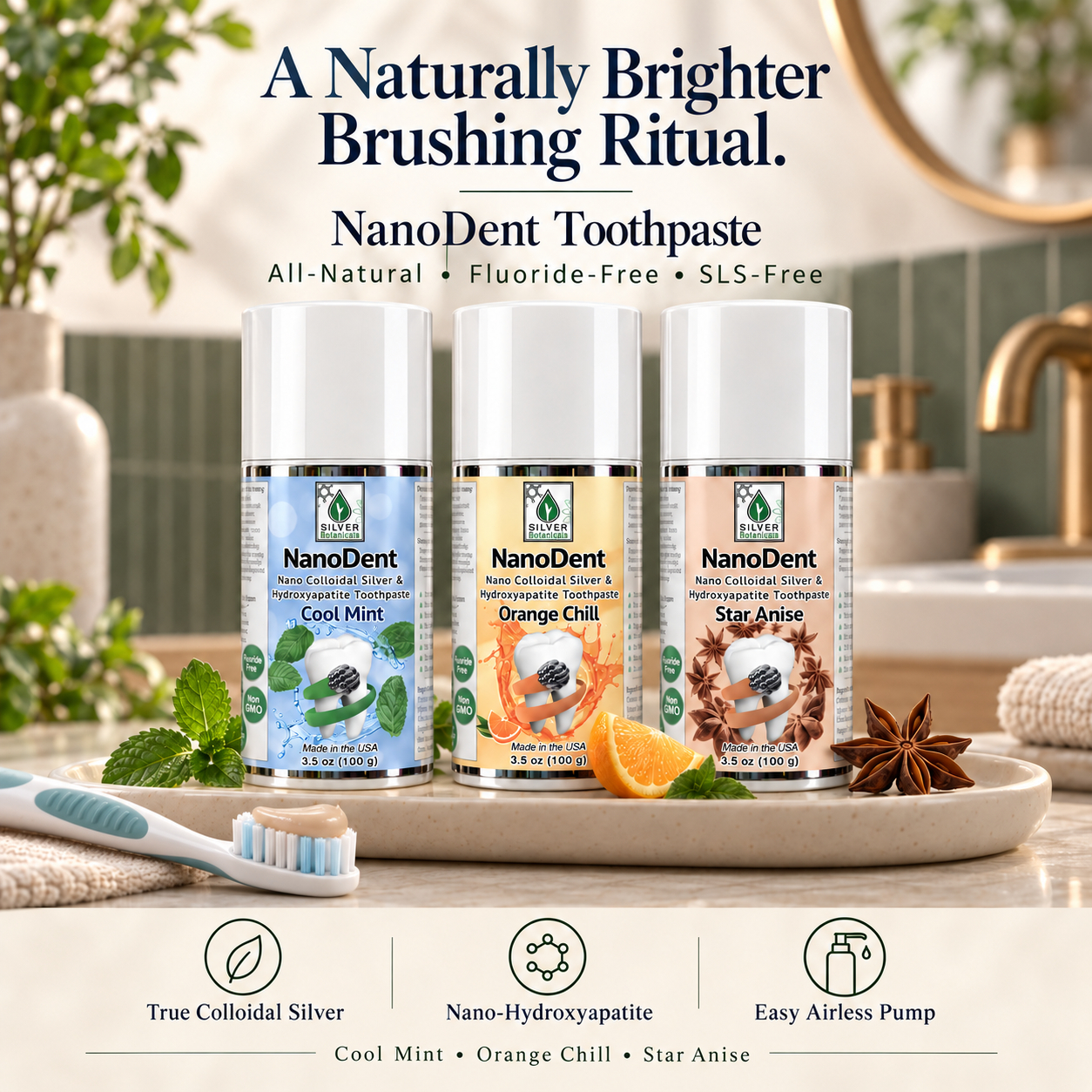
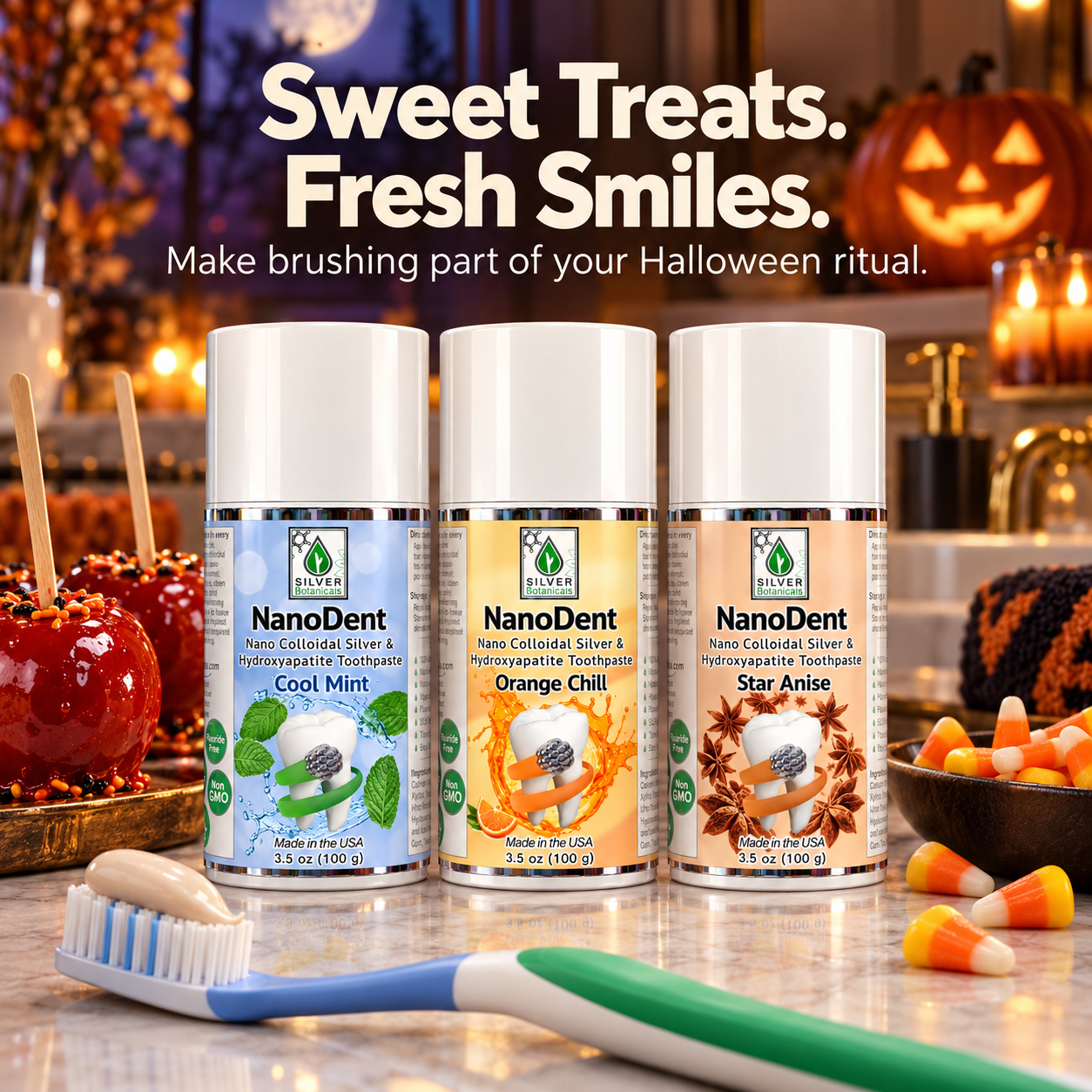
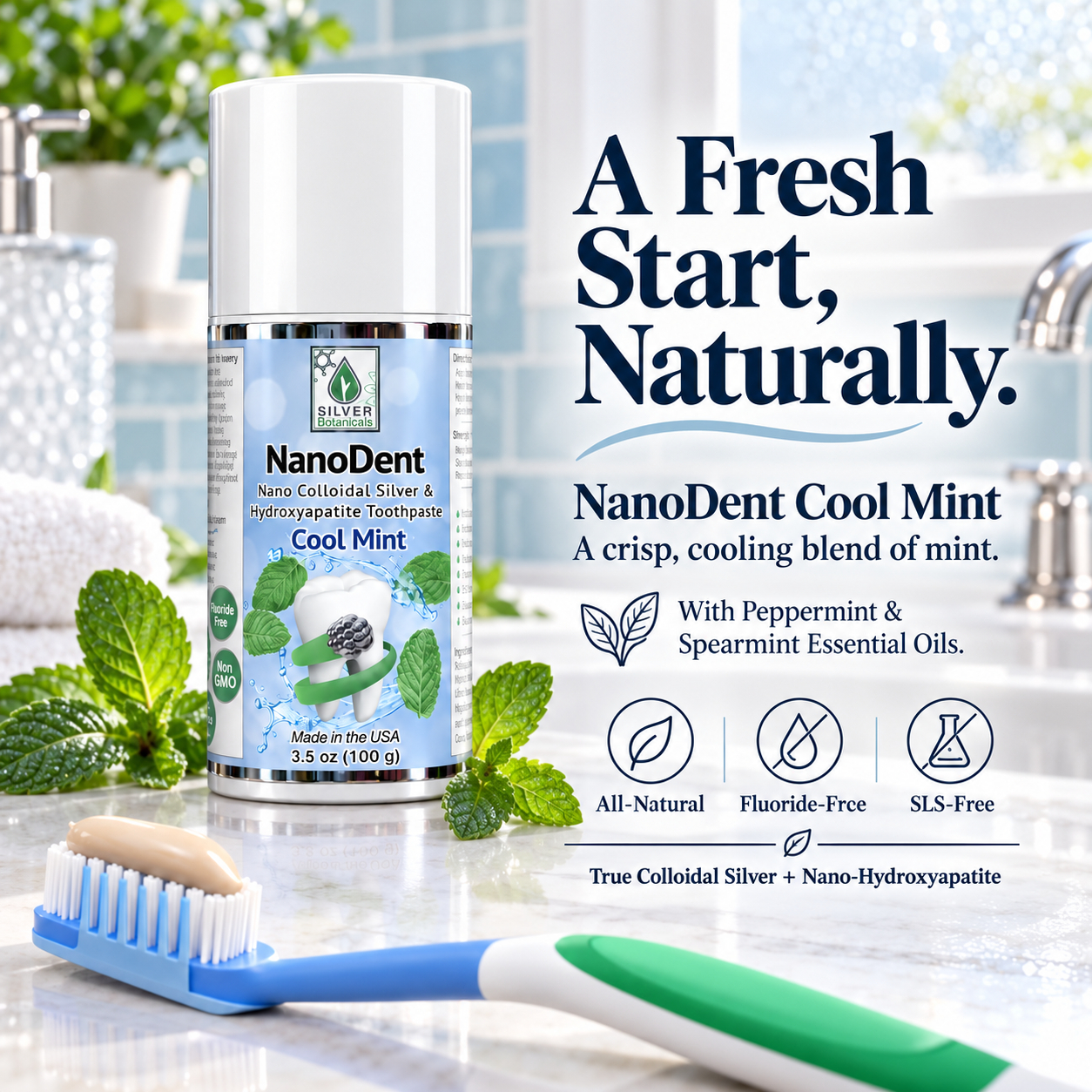
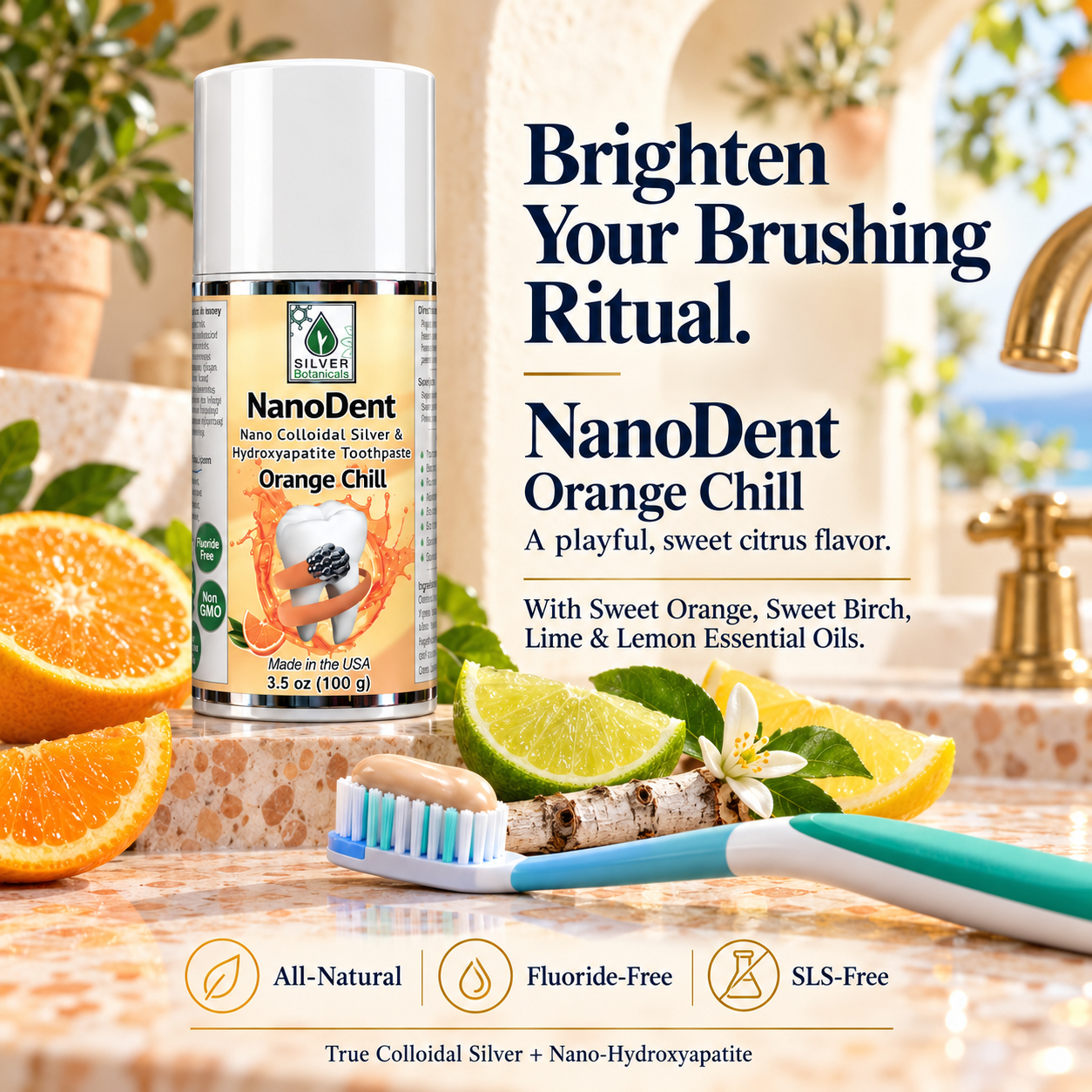
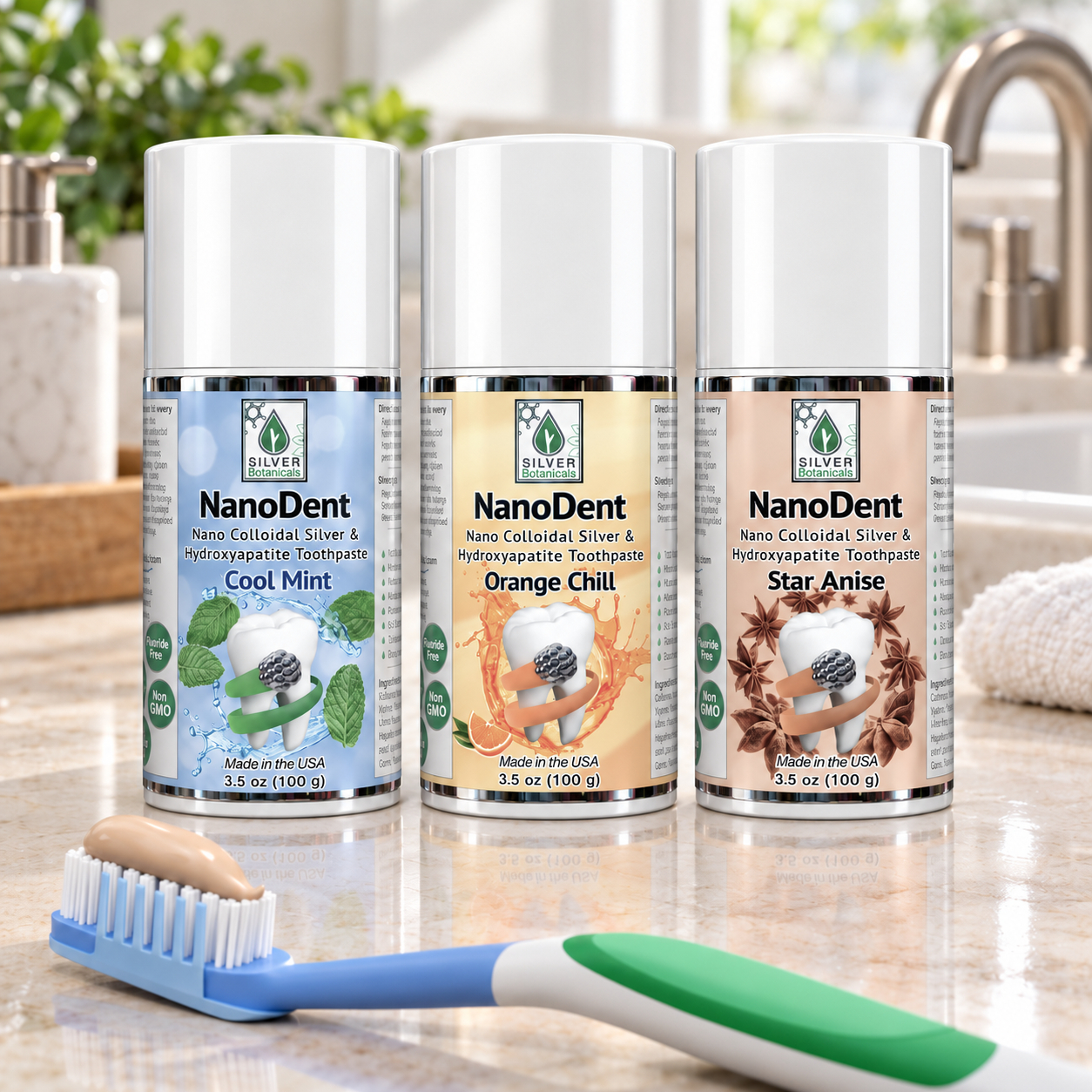
Available in 3 different flavors, plus 1 Bundle
Each in a 3.5 oz Airless Pump bottle
Email to a FriendAll-Natural Remineralizing Toothpaste
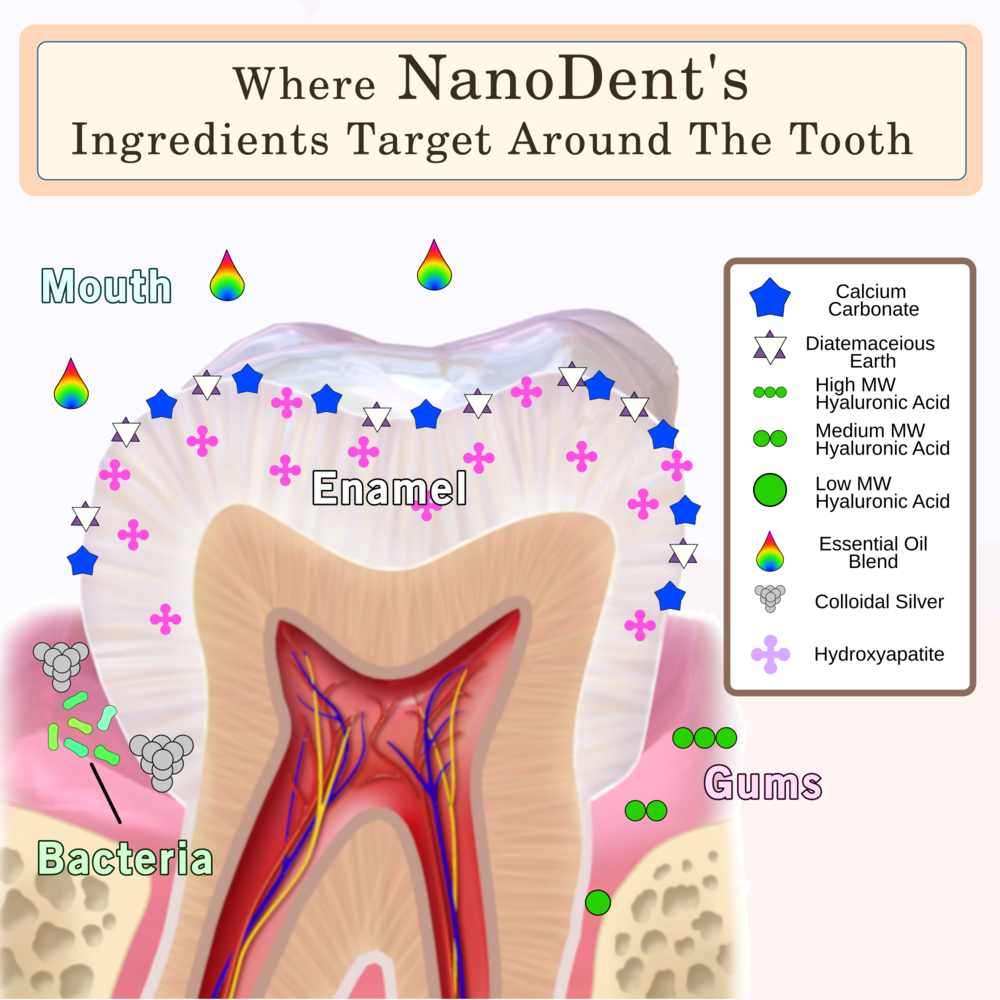
Discover the power of nature in every brush with all-natural NanoDent toothpaste. Thoughtfully crafted with True Colloidal Silver for a fresh, clean mouth; Nano-Hydroxyapatite to strengthen enamel and improve tooth sensitivity; Xylitol & Essential Oils for a crisp, clean mouth feel; Diatomaceous Earth and Calcium Carbonate for gentle whitening & polishing; and Hyaluronic Acid to leave gums feeling soft and hydrated. Rooted in time-honored ingredients and inspired by science, it delivers a refreshing, effective clean—naturally!
Hydroxyapatite Versus Fluoride
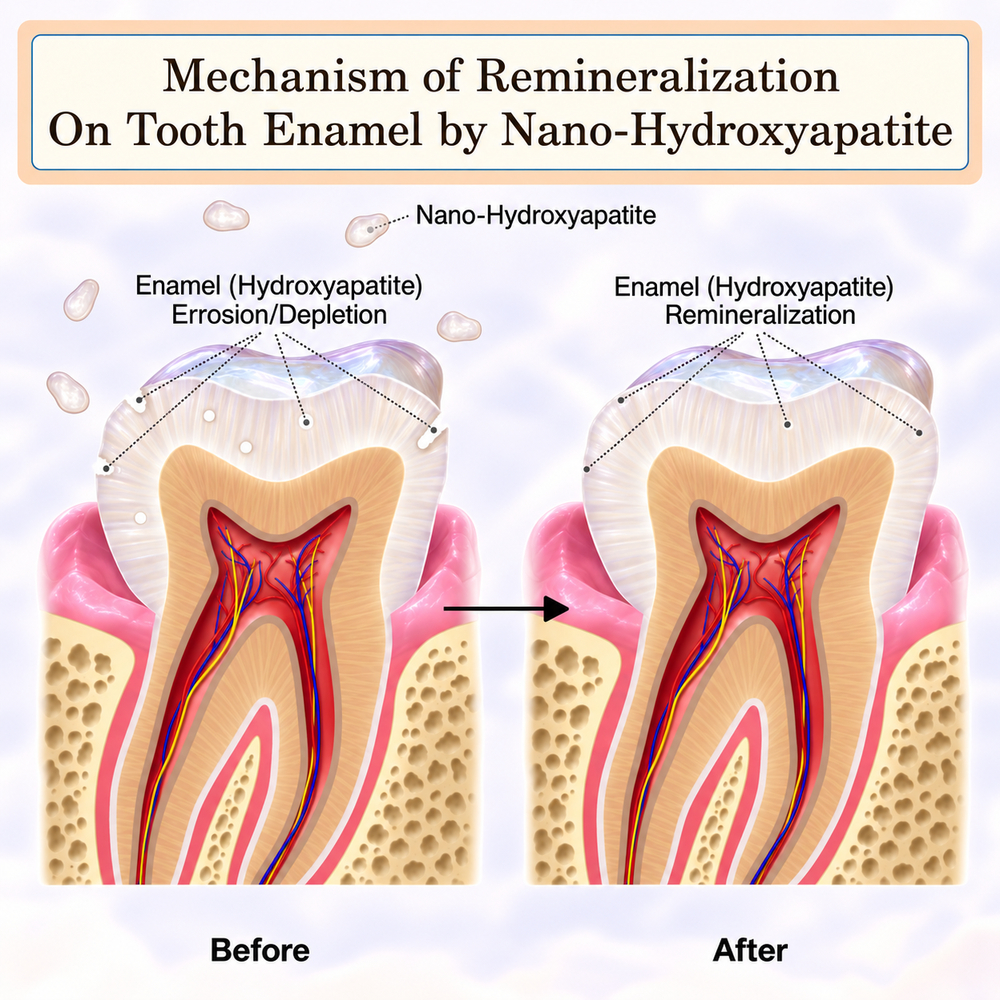
Hydroxyapatite strengthens enamel through a process called remineralization. This involves:
- Filling Gaps: Hydroxyapatite particles bind to the enamel, filling in microscopic cracks and weak spots caused by acids from food and bacteria.
- Restoring Minerals: It provides essential minerals, calcium and phosphate, which are vital for rebuilding enamel structure.
It's important to note, Hydroxyapatite is the native material of our tooth enamel and the strategy behind brushing with it is to replenish this material for natural tooth repair and conditioning. This is where Hydroxyapatite in nano form excels!
Fluoride, while possessing a similar remineralization mechanism to Hydroxyapatite works through the formation of Fluorapatite. i.e. Fluoride can replace hydroxide ions in Hydroxyapatite, by forming Fluorapatite. While to some degree this might happen naturally over the course of one's life, the topical application of fluoride via toothpaste is hardly natural.
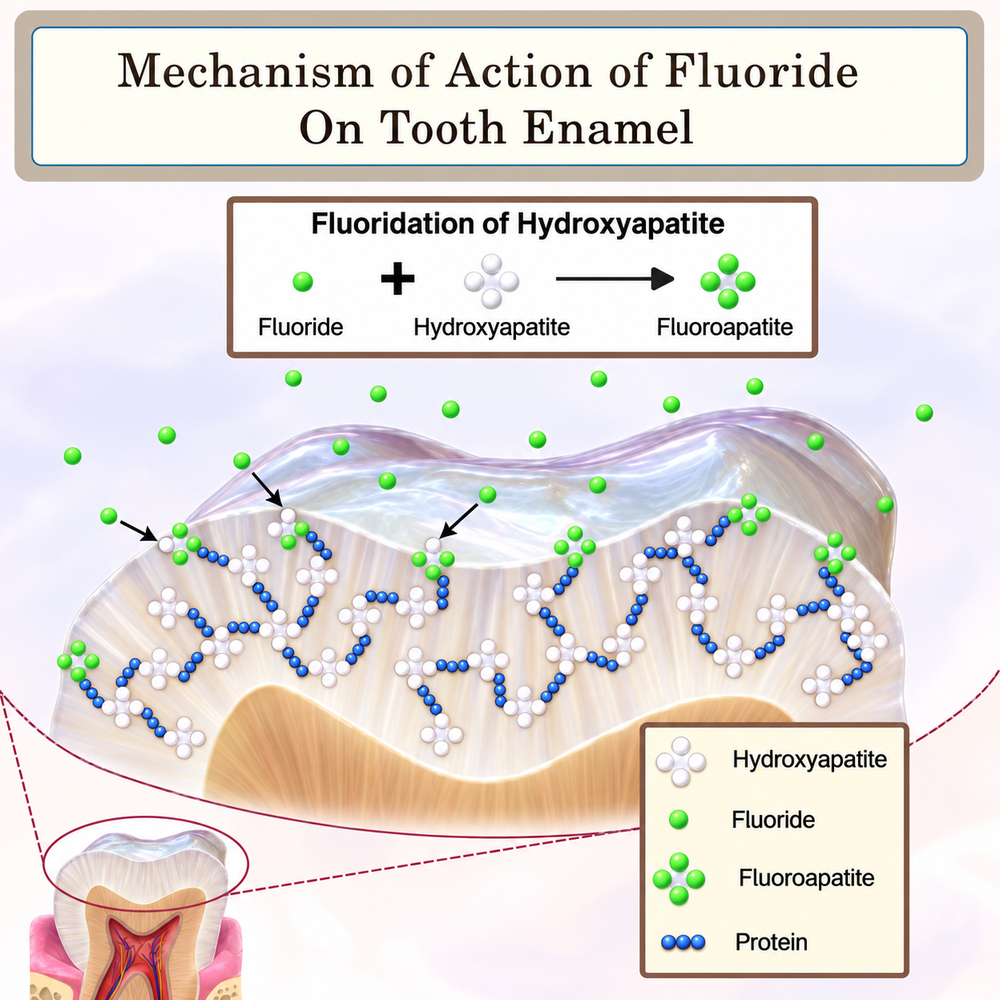
That said, it could be argued that tooth enamel with higher levels of Fluorapatite might be more resistant to acid and bacterial attacks, but it can also lead to other problems, such as Dental Fluorosis, or embrittled teeth. Dental Fluorosis is a condition where the teeth can become spotted, embrittled and weaker as a result.
Again, to underscore the difference between topical application of Fluoride versus Hydroxyapatite, as it concerns daily brushing, Hydroxyapatite is safer and more natural solution.
NanoDent is:
- 100% Natural
- 20 ppm, 99.999% Nano Silver
- Made with Nano Hydroxyapatite
- Made with Pure Essential Oils
- Fluoride Free
- SLS Free
- Travel Friendly
- Easy to Dispense Airless Pump
Hydroxyapatite is the native material of our tooth enamel and by brushing with it — especially in nano form — we can replenish this material for natural tooth repair and conditioning.
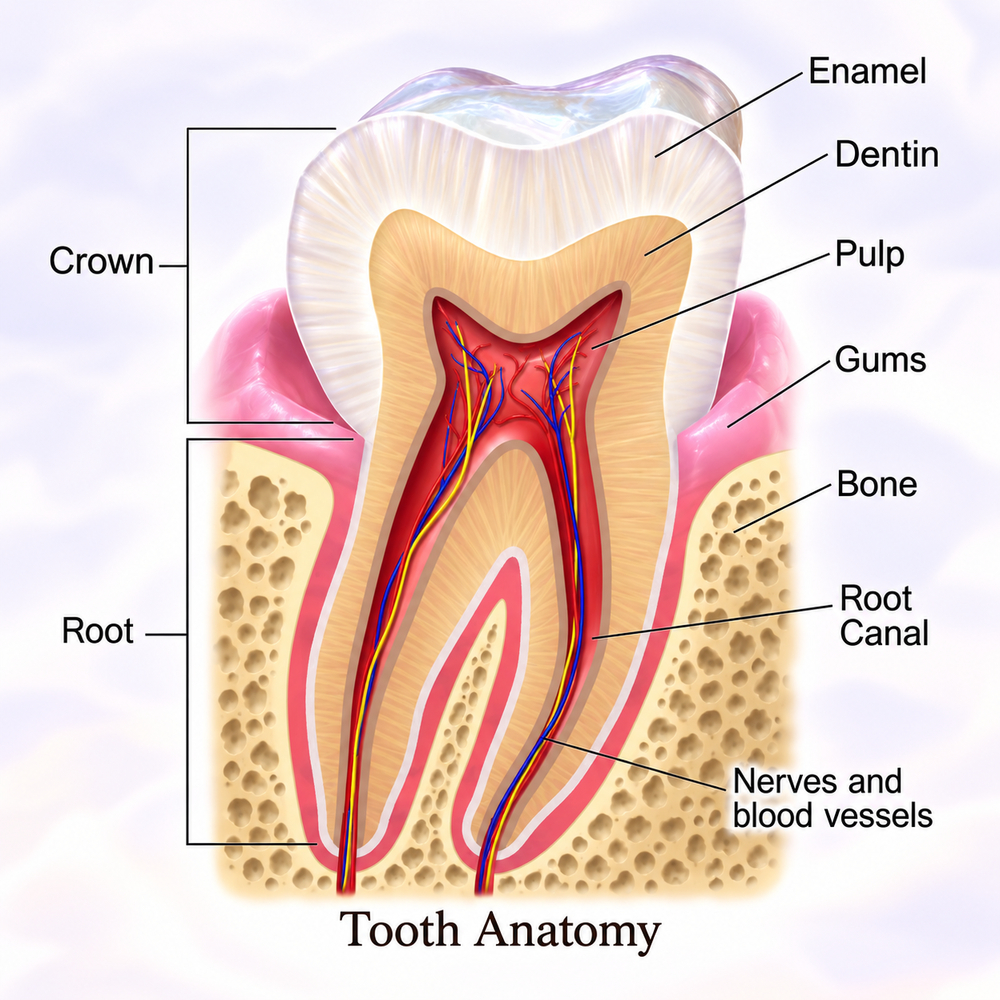
All-Natural, Whole-Mouth Supporting Toothpaste
Our NanoDent toothpaste uses Nano-Hydroxyapatite and True Colloidal Silver as key ingredients to support a cleaner, more effective brushing experience. Nanohydroxyapatite provides for a fluoride-free enamel strengthening, while diatomaceous earth and calcium carbonate provide gentle whitening & cleaning for everyday use. Hyaluronic Acid supports healthy gums and essential oils and xylitol provide for a fresh, clean, and great overall taste and mouth feel feel. Together, these ingredients are chosen to provide an all-natural, superior alternative to many of the highly synthetic alternatives on the market.
All-Natural Flavors
Cool Mint
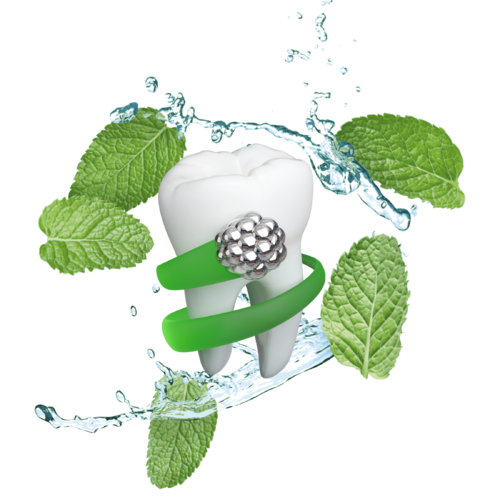
A delightfully cool blend of mint for a traditional brushing experience that will leave your mouth feeling fresh!
Including Essential Oils of: Peppermint and Spearmint
See Details For Individual Ingredients
Calcium Carbonate
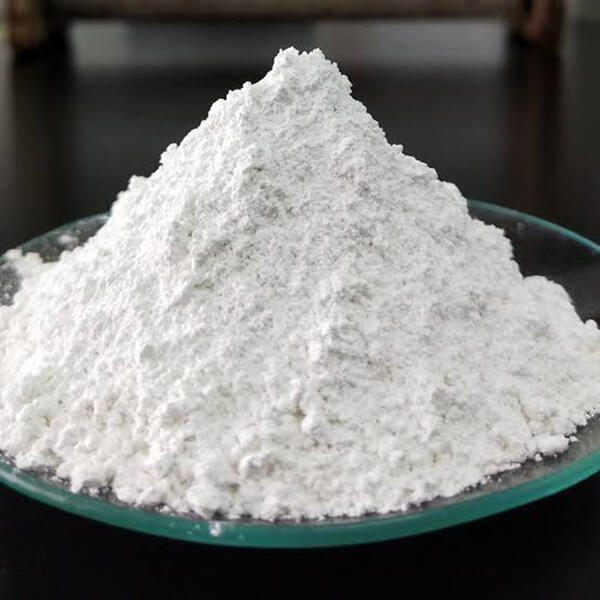
Calcium carbonate is a naturally occurring mineral found in limestone, marble, chalk, seashells, and coral, and it has been used by civilizations around the world since ancient times. Historically, it served as a natural building material, pigment, polishing agent, and ingredient in traditional household and personal care preparations because of its abundance and gentle abrasive properties. Today, naturally sourced calcium carbonate is widely used in all-natural toothpaste, soaps, bath products, cosmetics, and household cleaners, where it functions as a mild exfoliant, natural whitener, absorbent, and mineral-based filler.
- INCI name: Calcium Carbonate
- Ingredient type: Mineral
- Method(s) of extraction or purification: Naturally mined limestone, marble, or chalk, then purified for cosmetic use.
Diatomaceous Earth
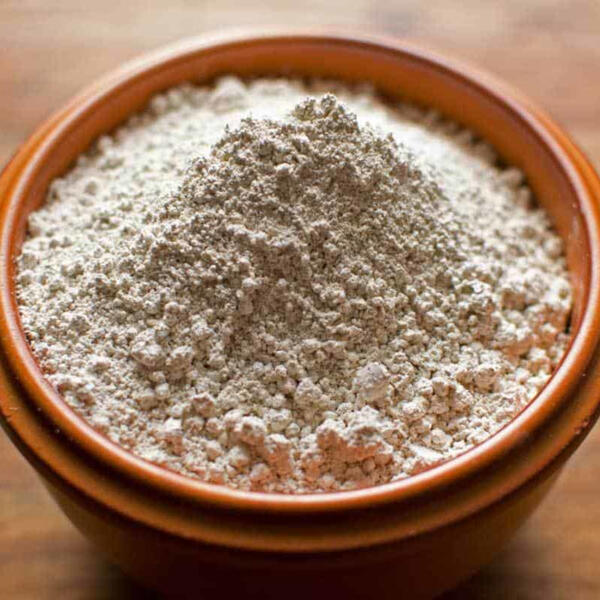
Diatomaceous earth is a naturally occurring soft mineral formed from the fossilized remains of microscopic aquatic algae called diatoms, with deposits that have accumulated over millions of years around the world. Historically, it has been used in filtration, polishing, and a variety of industrial and household applications because of its unique mineral composition and fine texture. Today, food-grade diatomaceous earth is incorporated into select all-natural personal care products, toothpastes, soaps, and cosmetic formulations, where it is valued as a gentle mineral-based polishing and absorbent ingredient.
- Key constituents: Amorphous silica with naturally occurring trace minerals.
Interesting Fact(s): Under a microscope, each diatom shell displays an intricate geometric structure that is unique to its species.
Xylitol
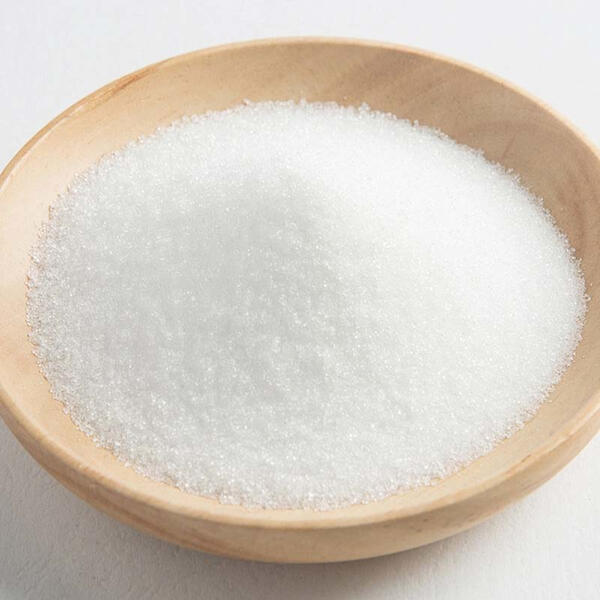
Xylitol is a naturally occurring sweetener found in small amounts in fruits, vegetables, and hardwood trees such as birch, and it has been used commercially since the late 1800s after being first identified by European scientists. Historically, it was produced from plant materials as a naturally derived alternative to traditional sweeteners and became increasingly popular in the mid-20th century. Today, naturally sourced xylitol is commonly used in all-natural toothpastes, oral care products, chewing gums, and mints, where it provides a pleasant sweetness without the use of refined sugar.
- INCI name: Xylitol
- Ingredient type: Sweetener
- Method(s) of extraction or purification: Xylose Extration, Hydrolysis, Purification, Hydrogenation
- Key constituents: sugar alcohol
Interesting Fact(s): Small amounts of xylitol are naturally produced by the human body during normal carbohydrate metabolism.
Peppermint Essential Oil
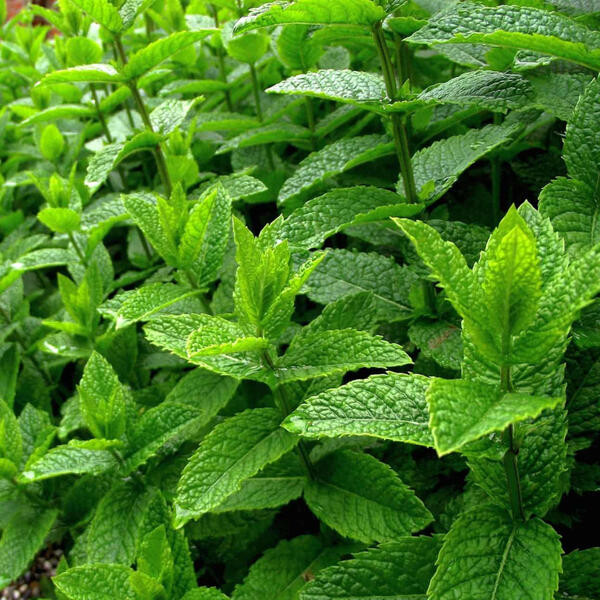
Peppermint essential oil is steam distilled from the leaves of the peppermint plant, a natural hybrid of watermint and spearmint that has been cultivated in Europe and the Middle East since the 18th century. Historically, peppermint was valued by ancient Egyptians, Greeks, and Romans for culinary, aromatic, and traditional herbal uses, with the essential oil becoming widely produced as cultivation expanded. At Silver Botanicals, peppermint essential oil is in many of our products, where it is appreciated for its crisp, refreshing aroma and cooling sensory experience.
- INCI name: Mentha Piperita Oil
- Ingredient type: Essential Oil
- Method(s) of extraction or purification: Steam-distilled of leaves.
- Parts used: Leaves
- Aroma: Bright, minty, crisp, cool, and refreshing.
- Key constituents: Menthol, menthone, menthyl acetate, 1, 8-cineole.
- Native region(s): riginally developed in England; now cultivated worldwide.
Interesting Fact(s): Peppermint is a natural hybrid between watermint and spearmint.
Spearmint Essential Oil
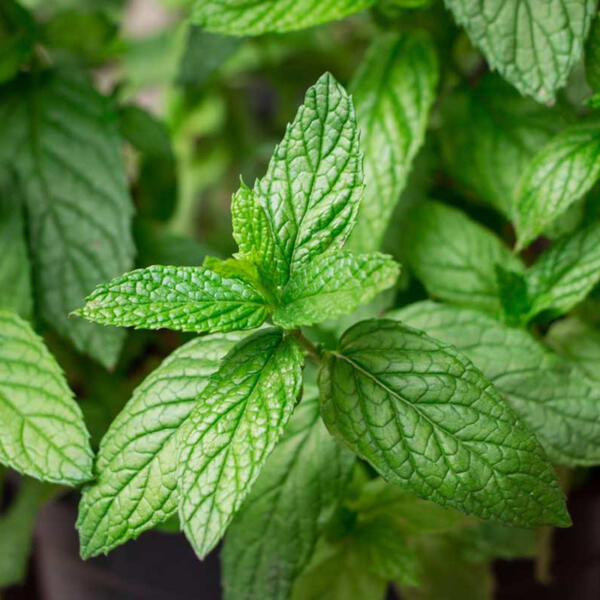
Spearmint essential oil is steam distilled from the leaves of the spearmint plant (Mentha spicata), an aromatic herb native to Europe and western Asia that has been cultivated for thousands of years. Historically, ancient Greek, Roman, Egyptian, and Ayurvedic practitioners used spearmint to relieve digestive discomfort, freshen the breath, ease headaches, and support respiratory health. Today, Silver Botanicals uses spearmint essential oil in its all-natural Cool Mint toothpaste where it is appreciated for its sweet, minty fragrance and refreshing botanical character.
- INCI name: Mentha Spicata Oil
- Ingredient type: Essential Oil
- Method(s) of extraction or purification: Steam-distilled from leaves.
- Parts used: Leaves
- Native region(s): Europe and western Asia
Sweet Birch Essential Oil

Sweet birch essential oil is steam distilled from the leaves and/or twigs of sweet birch trees. Birches are native to temperate regions across the northern hemisphere, where people have long relied on tree-derived preparations. Historically, birch-related substances were used in folk traditions for cleansing and comfort rituals, including bathing and steam practices, and for creating a “fresh from the forest” atmosphere at home. At Silver Botanicals, we utilize sweet birch essential oil in many of our formulations where it’s valued for its distinctive sweet-woody, wintry-birch character and for pairing well with other evergreen and spice-like essential oils in natural blends.
- INCI name: Betula Lenta Bark Oil
- Ingredient type: Essential Oil
- Method(s) of extraction or purification: Steam-distilled from the bark
- Parts used: Bark
- Aroma: Sweet, minty, wintergreen-like, fresh, and slightly woody
- Key constituents: Methyl salicylate, beta-caryophyllene.
- Native region(s): Eastern North America
Interesting Fact(s): Sweet birch oil naturally contains methyl salicylate, the same compound responsible for the familiar scent of wintergreen
Glycerine
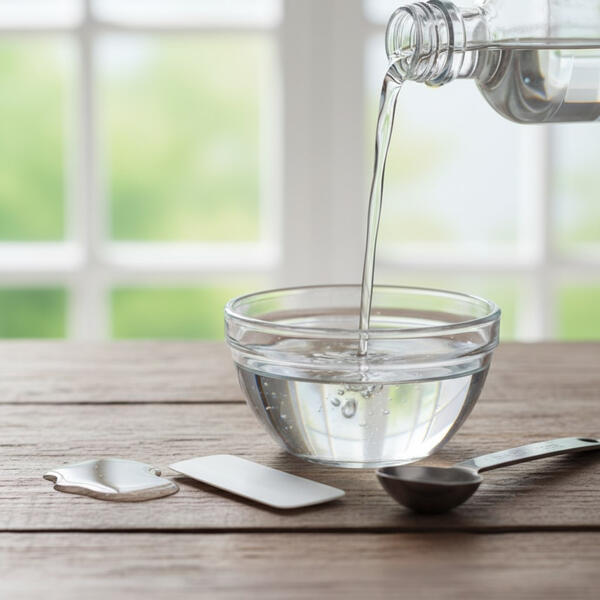
Glycerine is a naturally occurring plant-derived compound found in vegetable oils and fats, and it has been used in soapmaking and personal care products since the late 18th century following its discovery during the soapmaking process. Since the 19th century, glycerine has been used to protect dry skin, soothe irritation, and serve as a base for medicinal syrups, ointments, and herbal extracts. Glycerine is used in several of Silver Botanicals' all-natural products where it functions as a plant-based moisturizer and helps create smooth, stable formulations.
- INCI name: Glycerin
- Ingredient type: Humectant
Interesting Fact(s): Glycerin occurs naturally in all plant and animal fats.
Ultra Pure Water
Ultra pure water begins as naturally sourced water that undergoes advanced purification to remove minerals and impurities, creating an exceptionally clean ingredient. Throughout history, clean water has been essential in the preparation of soaps, herbal remedies, cosmetics, and other personal care products, with purification methods evolving as technology advanced. Today, ultra pure water is the foundation of Silver Botanicals' formulations, providing a clean, consistent base that supports product quality, stability, and performance.
- INCI name: Water
- Ingredient type: Solvent
- Method(s) of extraction or purification: Particulate Filtration, Activated Carbon Filtration, Reverse Osmosis Filtration, Ion Exchange Polishing, UV Disinfection
Interesting Fact(s): Ultra Pure Water is among the cleanest forms of water used in industry, with impurities such as dissolved minerals, organic compounds, microorganisms, and trace contaminants removed to extremely low levels. It is commonly used in high-precision industries such as semiconductor manufacturing, pharmaceuticals, and laboratory research.
Hydroxyapatite
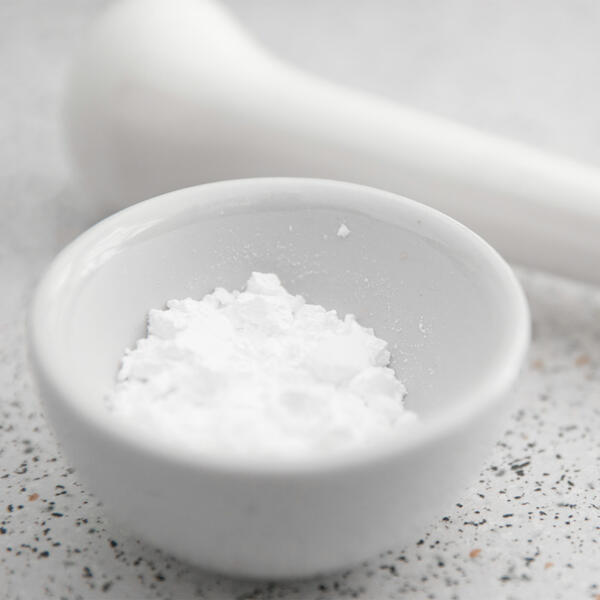
Hydroxyapatite is a naturally occurring mineral composed primarily of calcium and phosphate, and it is the principal mineral found in human teeth and bones as well as in the teeth and bones of many animals. Historically, scientists identified hydroxyapatite as the primary mineral responsible for the strength and structure of tooth enamel, leading to its development for dental and personal care applications in the 20th century. Silver Botanicals synthesizes nanohydroxyapatite in-house for its all-natural toothpastes where it is valued as natural, safe alternative to fluoride for enamel protection.
- INCI name: Hydroxyapatite
Interesting Fact(s): Approximately 97% of tooth enamel is composed of hydroxyapatite crystals.
Hyaluronic Acid
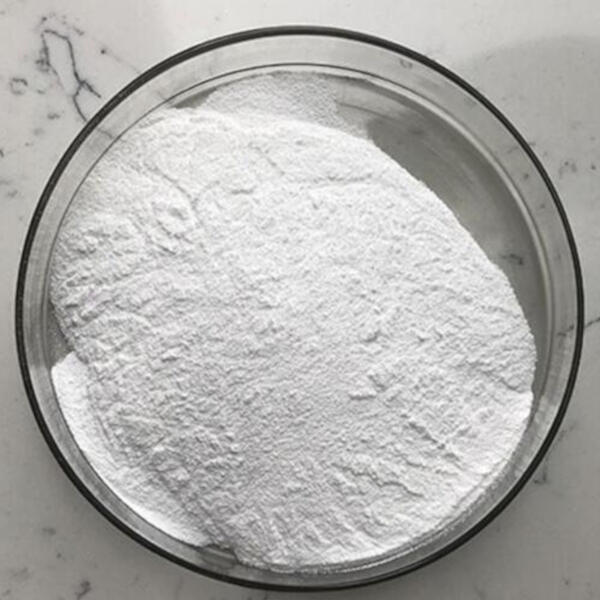
Hyaluronic acid is a naturally occurring substance found throughout the human body and in many living organisms, and today it is commonly produced through the fermentation of plant-derived sugars using naturally occurring microorganisms. While hyaluronic acid itself was identified in the 20th century, naturally occurring connective tissues rich in this substance have long been used in traditional preparations intended to support wound healing and joint health. Silver Botanicals uses a blend of high, medium, and low molecular weight hyaluronic acid in its all-natural formulations, where it helps attract and retain moisture while also supporting tissue (e.g. skin, gums, lips) health in general.
- Ingredient type: Humectant
- Key constituents: Hyaluronic acid polysaccharide (glycosaminoglycan).
Interesting Fact(s): One gram of hyaluronic acid can bind several liters of water under ideal conditions, making it one of nature's most effective humectants.
Xanthan Gum
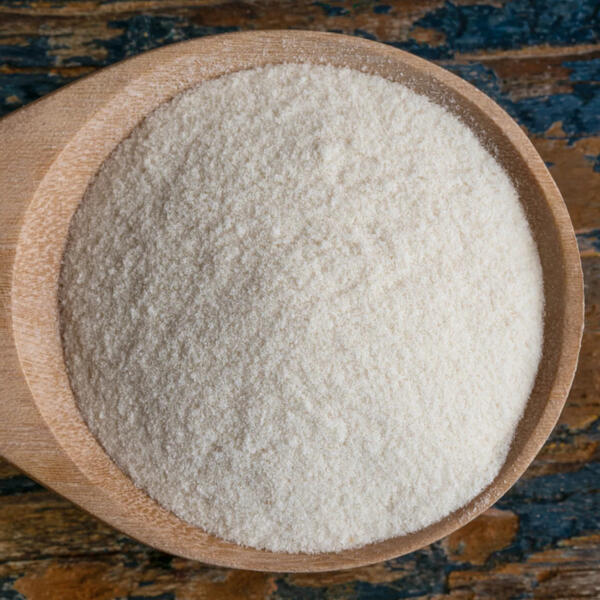
Xanthan gum is a naturally derived polysaccharide produced through the fermentation of plant-based sugars, a process discovered in the mid-20th century that utilizes naturally occurring microorganisms. Historically, fermentation has been used for thousands of years to create foods, beverages, and useful natural materials, with xanthan gum becoming an important innovation in modern food and personal care production. Today, xanthan gum is used in many of Silver Botanicals' all-natural formulations, where it acts as a natural thickener and stabilizer to create smooth, consistent formulations.
- INCI name: Xanthan Gum
- Ingredient type: Polysaccharide; thickener and stabilizer (viscosity modifier; suspension stabilizer)
- Method(s) of extraction or purification: Produced by microbial fermentation using Xanthomonas campestris
- Key constituents: A high–molecular-weight polysaccharide composed of repeat units containing glucose, mannose, glucuronic acid, and side-chain acetyl/pyruvyl substitutions
Interesting Fact(s): It’s an anionic polysaccharide and is noted for stabilizing emulsions and suspensions across a broad pH/temperature range
Colloidal Silver
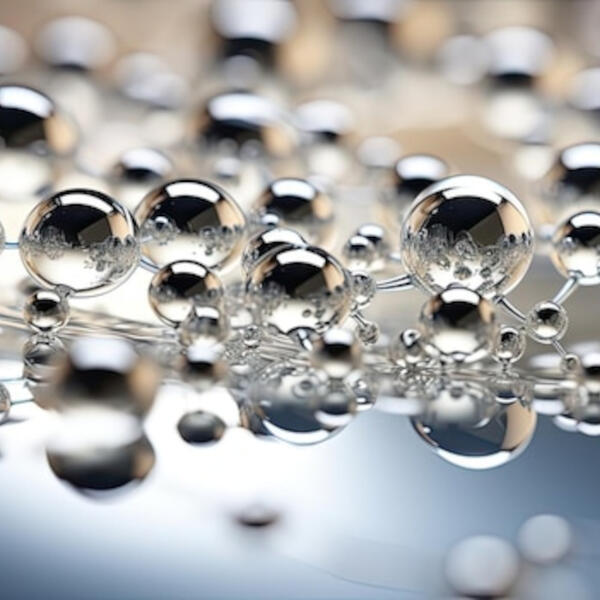
Colloidal silver is made by dispersing microscopic particles of silver in purified water, building on the long history of silver as a naturally occurring element that has been valued by civilizations around the world for thousands of years. Historically, silver was used in ancient Egypt, Greece, Rome, and other cultures in vessels, utensils, and various traditional preparations because of its durability, value, and perceived ability to protect ones health. Colloidal silver is a cornerstone to all of Silver Botanicals' formulations, being featured in all of our all-natural, personal and household care products.
- INCI name: Colloidal Silver
- Ingredient type: colloid
- Key constituents: Nanosilver particles
Interesting Fact(s): In some cultures, silver is treated like a “protector” material. Beyond modern explanations, silver’s historical reputation for cleanliness and preservation fed into beliefs about warding off illness or decay. For example, silver was used for drinking vessels to reduce spoilage of stored liquids.
Orange Chill
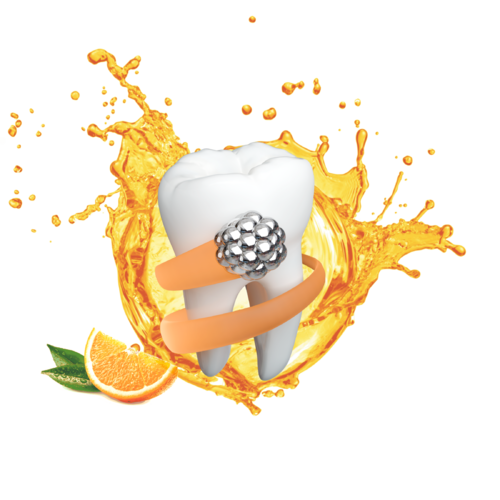
A fun citrus flavor, perfect for kids with, almost reminiscence of bubble gum or "orange dreamsicle"!
Including Essential Oils of: Sweet Orange, Sweet Birch, Lime and Lemon
See Details For Individual Ingredients
Calcium Carbonate
Calcium carbonate is a naturally occurring mineral found in limestone, marble, chalk, seashells, and coral, and it has been used by civilizations around the world since ancient times. Historically, it served as a natural building material, pigment, polishing agent, and ingredient in traditional household and personal care preparations because of its abundance and gentle abrasive properties. Today, naturally sourced calcium carbonate is widely used in all-natural toothpaste, soaps, bath products, cosmetics, and household cleaners, where it functions as a mild exfoliant, natural whitener, absorbent, and mineral-based filler.
- INCI name: Calcium Carbonate
- Ingredient type: Mineral
- Method(s) of extraction or purification: Naturally mined limestone, marble, or chalk, then purified for cosmetic use.
Diatomaceous Earth
Diatomaceous earth is a naturally occurring soft mineral formed from the fossilized remains of microscopic aquatic algae called diatoms, with deposits that have accumulated over millions of years around the world. Historically, it has been used in filtration, polishing, and a variety of industrial and household applications because of its unique mineral composition and fine texture. Today, food-grade diatomaceous earth is incorporated into select all-natural personal care products, toothpastes, soaps, and cosmetic formulations, where it is valued as a gentle mineral-based polishing and absorbent ingredient.
- Key constituents: Amorphous silica with naturally occurring trace minerals.
Interesting Fact(s): Under a microscope, each diatom shell displays an intricate geometric structure that is unique to its species.
Xylitol
Xylitol is a naturally occurring sweetener found in small amounts in fruits, vegetables, and hardwood trees such as birch, and it has been used commercially since the late 1800s after being first identified by European scientists. Historically, it was produced from plant materials as a naturally derived alternative to traditional sweeteners and became increasingly popular in the mid-20th century. Today, naturally sourced xylitol is commonly used in all-natural toothpastes, oral care products, chewing gums, and mints, where it provides a pleasant sweetness without the use of refined sugar.
- INCI name: Xylitol
- Ingredient type: Sweetener
- Method(s) of extraction or purification: Xylose Extration, Hydrolysis, Purification, Hydrogenation
- Key constituents: sugar alcohol
Interesting Fact(s): Small amounts of xylitol are naturally produced by the human body during normal carbohydrate metabolism.
Vanilla Extract
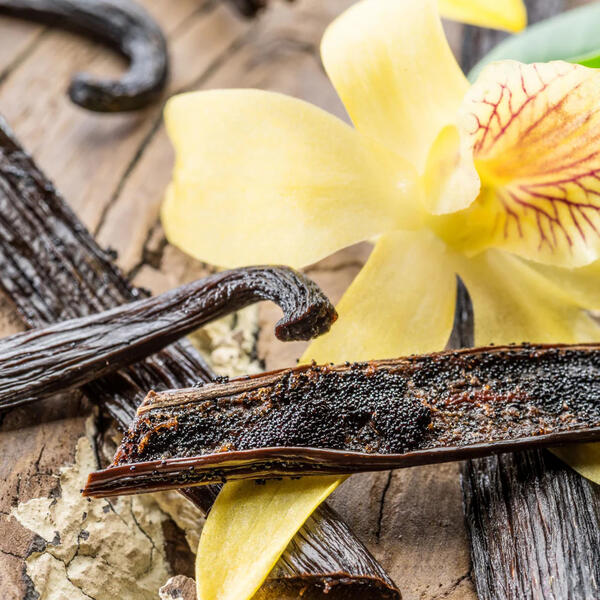
Vanilla extract is derived from the cured pods of the vanilla orchid (Vanilla planifolia), a tropical orchid native to Mexico that has been cultivated and treasured for centuries. Historically, the Totonac and Aztec peoples used vanilla in traditional preparations as a digestive aid, restorative tonic, and aromatic ingredient believed to promote well-being. Vanilla extract is used in several of Silver Botanicals' all-natural products, where it is appreciated for its warm, sweet aroma and rich botanical heritage.
- INCI name: Vanilla Planifolia Fruit Extract
- Ingredient type: Botanical Extract
- Method(s) of extraction or purification: Alcohol extraction of cured seed pods
- Parts used: Fruit (seed pods)
- Aroma: Warm, rich, sweet, classic vanilla scent.
- Key constituents: Vanillin, vanillic acid, and aromatic phenolic compounds
- Native region(s): Mexico; now widely cultivated in Madagascar and other tropical regions.
Interesting Fact(s): Each vanilla flower blooms for just one day and must be pollinated during that short window.
Orange Essential Oil
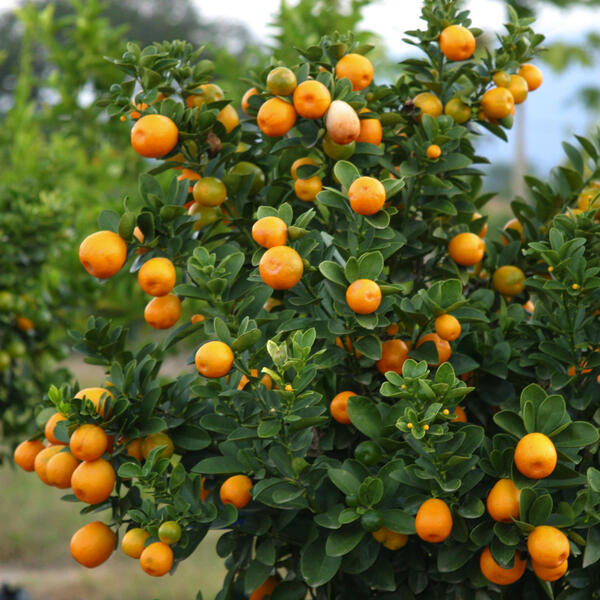
Orange essential oil is cold pressed from the peel of the sweet orange (Citrus sinensis), a fruit believed to have originated in China that has been cultivated for thousands of years before spreading throughout the Mediterranean and the Americas. Historically, traditional Chinese and Mediterranean medicine used oranges and their peels to aid digestion, relieve coughs, improve circulation, and uplift mood. Orange essential oil is a center piece to Silver Botanicals' all-natural Orange Chill Toothpaste where it is appreciated for its bright, sweet citrus aroma and cheerful botanical character.
- INCI name: Citrus Sinensis Peel Oil Expressed
- Ingredient type: Essential Oil
- Method(s) of extraction or purification: Cold-pressed
- Aroma: Sweet, juicy, fresh, and unmistakably citrus with cheerful, fruity notes.
- Native region(s): China; now cultivated worldwide in subtropical regions.
Interesting Fact(s): Orange essential oil is one of the most widely produced essential oils in the world because it is a natural byproduct of the juice industry.
Sweet Birch Essential Oil
Sweet birch essential oil is steam distilled from the leaves and/or twigs of sweet birch trees. Birches are native to temperate regions across the northern hemisphere, where people have long relied on tree-derived preparations. Historically, birch-related substances were used in folk traditions for cleansing and comfort rituals, including bathing and steam practices, and for creating a “fresh from the forest” atmosphere at home. At Silver Botanicals, we utilize sweet birch essential oil in many of our formulations where it’s valued for its distinctive sweet-woody, wintry-birch character and for pairing well with other evergreen and spice-like essential oils in natural blends.
- INCI name: Betula Lenta Bark Oil
- Ingredient type: Essential Oil
- Method(s) of extraction or purification: Steam-distilled from the bark
- Parts used: Bark
- Aroma: Sweet, minty, wintergreen-like, fresh, and slightly woody
- Key constituents: Methyl salicylate, beta-caryophyllene.
- Native region(s): Eastern North America
Interesting Fact(s): Sweet birch oil naturally contains methyl salicylate, the same compound responsible for the familiar scent of wintergreen
Lime Essential Oil
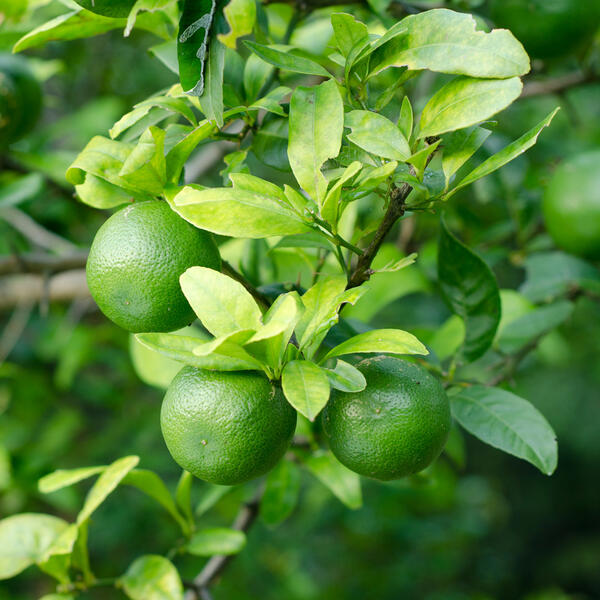
Lime essential oil is cold pressed or steam distilled from the peel of the lime (Citrus aurantiifolia), a citrus fruit believed to have originated in Southeast Asia before spreading throughout the Middle East, the Mediterranean, and the Americas through ancient trade. Traditional Chinese, Egyptian, Greek, and Ayurvedic medicine used licorice root to soothe coughs, relieve sore throats, support digestion, and treat a variety of respiratory ailments. Lime essential oil is used in many of Silver Botanicals' all-natural soaps, deodorants, and toothpastes where it is appreciated for its fresh, bright citrus aroma and lively botanical character.
- INCI name: Citrus Aurantifolia (Lime) Oil
- Ingredient type: Essential Oil
- Method(s) of extraction or purification: Steam-distilled from peel
- Parts used: Fruit Peel
- Aroma: Bright, tart, juicy, crisp and refreshing
- Key constituents: Limonene, citral, gamma-terpinene, beta-pinene
- Native region(s): Southeast/South Asia
Interesting Fact(s): Cold-pressed/expressed lime peel oil contains furanocoumarins (phototoxic compounds), while steam-distilled lime oil is commonly described as furanocoumarin-free (so it’s generally treated as much less phototoxic).
Lemon Essential Oil
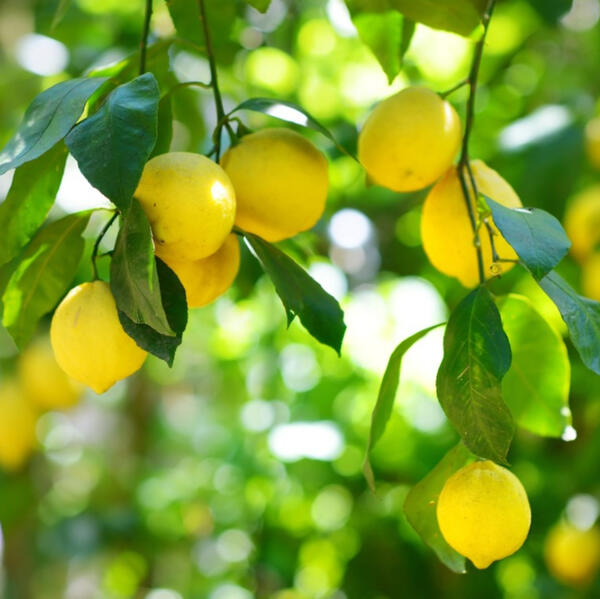
Lemon essential oil is cold pressed from the peel of the lemon (Citrus limon), a fruit believed to have originated in northeastern India before spreading throughout the Mediterranean and the rest of the world through trade and cultivation. Historically, lemons were prized for their bright fragrance, culinary versatility, and use in traditional household and herbal preparations across many cultures. Today, lemon essential oil is a popular ingredient in all-natural soaps, lotions, household cleaners, candles, and aromatherapy products, where it is valued for its fresh, uplifting citrus aroma and natural cleansing properties.
- INCI name: Citrus Limon Peel Oil
- Ingredient type: Essential Oil
- Method(s) of extraction or purification: Cold-pressed
- Parts used: Fruit Peel
- Aroma: Fresh, crisp, bright, juicy, and unmistakably lemon-like.
- Key constituents: Limonene, beta-pinene, gamma-terpinene, citral.
- Native region(s): Believed to have originated in India before spreading throughout Asia and the Mediterranean.
Interesting Fact(s): Nearly half of a lemon's aromatic compounds are concentrated in the peel rather than the juice.
Glycerine
Glycerine is a naturally occurring plant-derived compound found in vegetable oils and fats, and it has been used in soapmaking and personal care products since the late 18th century following its discovery during the soapmaking process. Since the 19th century, glycerine has been used to protect dry skin, soothe irritation, and serve as a base for medicinal syrups, ointments, and herbal extracts. Glycerine is used in several of Silver Botanicals' all-natural products where it functions as a plant-based moisturizer and helps create smooth, stable formulations.
- INCI name: Glycerin
- Ingredient type: Humectant
Interesting Fact(s): Glycerin occurs naturally in all plant and animal fats.
Ultra Pure Water
Ultra pure water begins as naturally sourced water that undergoes advanced purification to remove minerals and impurities, creating an exceptionally clean ingredient. Throughout history, clean water has been essential in the preparation of soaps, herbal remedies, cosmetics, and other personal care products, with purification methods evolving as technology advanced. Today, ultra pure water is the foundation of Silver Botanicals' formulations, providing a clean, consistent base that supports product quality, stability, and performance.
- INCI name: Water
- Ingredient type: Solvent
- Method(s) of extraction or purification: Particulate Filtration, Activated Carbon Filtration, Reverse Osmosis Filtration, Ion Exchange Polishing, UV Disinfection
Interesting Fact(s): Ultra Pure Water is among the cleanest forms of water used in industry, with impurities such as dissolved minerals, organic compounds, microorganisms, and trace contaminants removed to extremely low levels. It is commonly used in high-precision industries such as semiconductor manufacturing, pharmaceuticals, and laboratory research.
Hydroxyapatite
Hydroxyapatite is a naturally occurring mineral composed primarily of calcium and phosphate, and it is the principal mineral found in human teeth and bones as well as in the teeth and bones of many animals. Historically, scientists identified hydroxyapatite as the primary mineral responsible for the strength and structure of tooth enamel, leading to its development for dental and personal care applications in the 20th century. Silver Botanicals synthesizes nanohydroxyapatite in-house for its all-natural toothpastes where it is valued as natural, safe alternative to fluoride for enamel protection.
- INCI name: Hydroxyapatite
Interesting Fact(s): Approximately 97% of tooth enamel is composed of hydroxyapatite crystals.
Hyaluronic Acid
Hyaluronic acid is a naturally occurring substance found throughout the human body and in many living organisms, and today it is commonly produced through the fermentation of plant-derived sugars using naturally occurring microorganisms. While hyaluronic acid itself was identified in the 20th century, naturally occurring connective tissues rich in this substance have long been used in traditional preparations intended to support wound healing and joint health. Silver Botanicals uses a blend of high, medium, and low molecular weight hyaluronic acid in its all-natural formulations, where it helps attract and retain moisture while also supporting tissue (e.g. skin, gums, lips) health in general.
- Ingredient type: Humectant
- Key constituents: Hyaluronic acid polysaccharide (glycosaminoglycan).
Interesting Fact(s): One gram of hyaluronic acid can bind several liters of water under ideal conditions, making it one of nature's most effective humectants.
Xanthan Gum
Xanthan gum is a naturally derived polysaccharide produced through the fermentation of plant-based sugars, a process discovered in the mid-20th century that utilizes naturally occurring microorganisms. Historically, fermentation has been used for thousands of years to create foods, beverages, and useful natural materials, with xanthan gum becoming an important innovation in modern food and personal care production. Today, xanthan gum is used in many of Silver Botanicals' all-natural formulations, where it acts as a natural thickener and stabilizer to create smooth, consistent formulations.
- INCI name: Xanthan Gum
- Ingredient type: Polysaccharide; thickener and stabilizer (viscosity modifier; suspension stabilizer)
- Method(s) of extraction or purification: Produced by microbial fermentation using Xanthomonas campestris
- Key constituents: A high–molecular-weight polysaccharide composed of repeat units containing glucose, mannose, glucuronic acid, and side-chain acetyl/pyruvyl substitutions
Interesting Fact(s): It’s an anionic polysaccharide and is noted for stabilizing emulsions and suspensions across a broad pH/temperature range
Colloidal Silver
Colloidal silver is made by dispersing microscopic particles of silver in purified water, building on the long history of silver as a naturally occurring element that has been valued by civilizations around the world for thousands of years. Historically, silver was used in ancient Egypt, Greece, Rome, and other cultures in vessels, utensils, and various traditional preparations because of its durability, value, and perceived ability to protect ones health. Colloidal silver is a cornerstone to all of Silver Botanicals' formulations, being featured in all of our all-natural, personal and household care products.
- INCI name: Colloidal Silver
- Ingredient type: colloid
- Key constituents: Nanosilver particles
Interesting Fact(s): In some cultures, silver is treated like a “protector” material. Beyond modern explanations, silver’s historical reputation for cleanliness and preservation fed into beliefs about warding off illness or decay. For example, silver was used for drinking vessels to reduce spoilage of stored liquids.
Star Anise
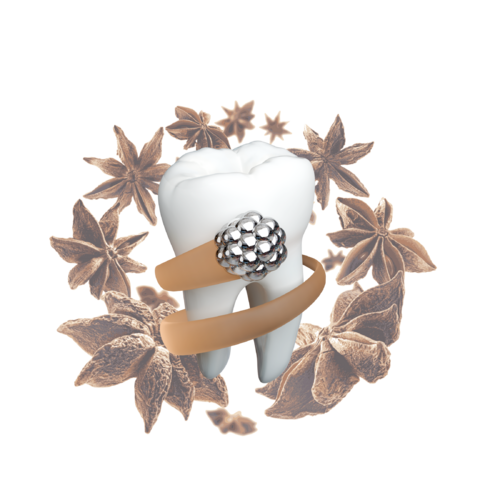
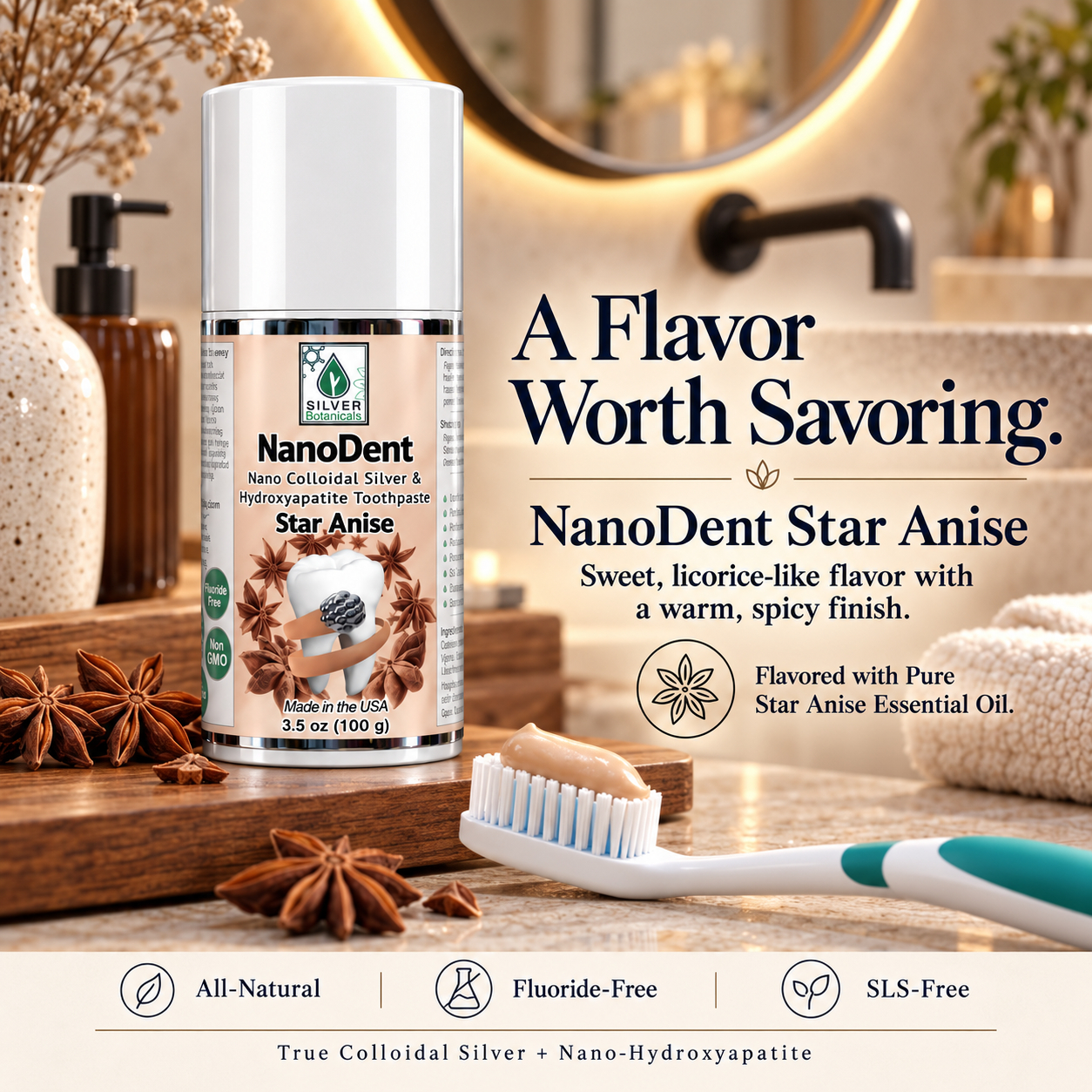
A singular essential oil that stands all on it's own with a sweet, licorice-like flavor with hints of clove and cinnamon!
Including Essential Oils of: Star Anise
That's it!
See Details For Individual Ingredients
Calcium Carbonate
Calcium carbonate is a naturally occurring mineral found in limestone, marble, chalk, seashells, and coral, and it has been used by civilizations around the world since ancient times. Historically, it served as a natural building material, pigment, polishing agent, and ingredient in traditional household and personal care preparations because of its abundance and gentle abrasive properties. Today, naturally sourced calcium carbonate is widely used in all-natural toothpaste, soaps, bath products, cosmetics, and household cleaners, where it functions as a mild exfoliant, natural whitener, absorbent, and mineral-based filler.
- INCI name: Calcium Carbonate
- Ingredient type: Mineral
- Method(s) of extraction or purification: Naturally mined limestone, marble, or chalk, then purified for cosmetic use.
Diatomaceous Earth
Diatomaceous earth is a naturally occurring soft mineral formed from the fossilized remains of microscopic aquatic algae called diatoms, with deposits that have accumulated over millions of years around the world. Historically, it has been used in filtration, polishing, and a variety of industrial and household applications because of its unique mineral composition and fine texture. Today, food-grade diatomaceous earth is incorporated into select all-natural personal care products, toothpastes, soaps, and cosmetic formulations, where it is valued as a gentle mineral-based polishing and absorbent ingredient.
- Key constituents: Amorphous silica with naturally occurring trace minerals.
Interesting Fact(s): Under a microscope, each diatom shell displays an intricate geometric structure that is unique to its species.
Xylitol
Xylitol is a naturally occurring sweetener found in small amounts in fruits, vegetables, and hardwood trees such as birch, and it has been used commercially since the late 1800s after being first identified by European scientists. Historically, it was produced from plant materials as a naturally derived alternative to traditional sweeteners and became increasingly popular in the mid-20th century. Today, naturally sourced xylitol is commonly used in all-natural toothpastes, oral care products, chewing gums, and mints, where it provides a pleasant sweetness without the use of refined sugar.
- INCI name: Xylitol
- Ingredient type: Sweetener
- Method(s) of extraction or purification: Xylose Extration, Hydrolysis, Purification, Hydrogenation
- Key constituents: sugar alcohol
Interesting Fact(s): Small amounts of xylitol are naturally produced by the human body during normal carbohydrate metabolism.
Star Anise Essential Oil
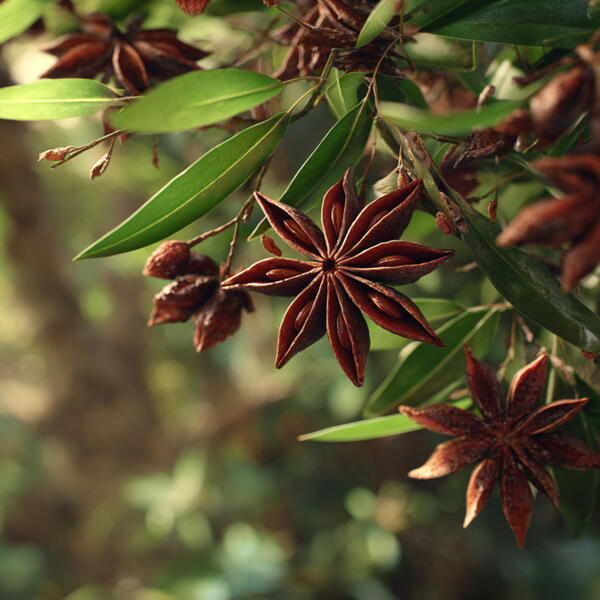
Star Anise Essential Oil is derived from the fruit of the Illicium verum tree, native to Southeast Asia, and is known for its intensely spicy-sweet, licorice-like aroma. It has been used in aromatherapy for its potential benefits in easing respiratory issues, digestion, and muscle pain.
- INCI name: Illicium Verum Fruit Oil
- Method(s) of extraction or purification: Steam-distilled from the dried fruits.
- Parts used: Fruit
- Aroma: Sweet, warm, spicy, and distinctly reminiscent of black licorice
- Key constituents: trans-Anethole, limonene, linalool, estragole
- Native region(s): Southern China and northern Vietnam
Interesting Fact(s): Star anise is the natural source of shikimic acid, an important compound used in modern pharmaceutical manufacturing
Glycerine
Glycerine is a naturally occurring plant-derived compound found in vegetable oils and fats, and it has been used in soapmaking and personal care products since the late 18th century following its discovery during the soapmaking process. Since the 19th century, glycerine has been used to protect dry skin, soothe irritation, and serve as a base for medicinal syrups, ointments, and herbal extracts. Glycerine is used in several of Silver Botanicals' all-natural products where it functions as a plant-based moisturizer and helps create smooth, stable formulations.
- INCI name: Glycerin
- Ingredient type: Humectant
Interesting Fact(s): Glycerin occurs naturally in all plant and animal fats.
Ultra Pure Water
Ultra pure water begins as naturally sourced water that undergoes advanced purification to remove minerals and impurities, creating an exceptionally clean ingredient. Throughout history, clean water has been essential in the preparation of soaps, herbal remedies, cosmetics, and other personal care products, with purification methods evolving as technology advanced. Today, ultra pure water is the foundation of Silver Botanicals' formulations, providing a clean, consistent base that supports product quality, stability, and performance.
- INCI name: Water
- Ingredient type: Solvent
- Method(s) of extraction or purification: Particulate Filtration, Activated Carbon Filtration, Reverse Osmosis Filtration, Ion Exchange Polishing, UV Disinfection
Interesting Fact(s): Ultra Pure Water is among the cleanest forms of water used in industry, with impurities such as dissolved minerals, organic compounds, microorganisms, and trace contaminants removed to extremely low levels. It is commonly used in high-precision industries such as semiconductor manufacturing, pharmaceuticals, and laboratory research.
Hydroxyapatite
Hydroxyapatite is a naturally occurring mineral composed primarily of calcium and phosphate, and it is the principal mineral found in human teeth and bones as well as in the teeth and bones of many animals. Historically, scientists identified hydroxyapatite as the primary mineral responsible for the strength and structure of tooth enamel, leading to its development for dental and personal care applications in the 20th century. Silver Botanicals synthesizes nanohydroxyapatite in-house for its all-natural toothpastes where it is valued as natural, safe alternative to fluoride for enamel protection.
- INCI name: Hydroxyapatite
Interesting Fact(s): Approximately 97% of tooth enamel is composed of hydroxyapatite crystals.
Hyaluronic Acid
Hyaluronic acid is a naturally occurring substance found throughout the human body and in many living organisms, and today it is commonly produced through the fermentation of plant-derived sugars using naturally occurring microorganisms. While hyaluronic acid itself was identified in the 20th century, naturally occurring connective tissues rich in this substance have long been used in traditional preparations intended to support wound healing and joint health. Silver Botanicals uses a blend of high, medium, and low molecular weight hyaluronic acid in its all-natural formulations, where it helps attract and retain moisture while also supporting tissue (e.g. skin, gums, lips) health in general.
- Ingredient type: Humectant
- Key constituents: Hyaluronic acid polysaccharide (glycosaminoglycan).
Interesting Fact(s): One gram of hyaluronic acid can bind several liters of water under ideal conditions, making it one of nature's most effective humectants.
Xanthan Gum
Xanthan gum is a naturally derived polysaccharide produced through the fermentation of plant-based sugars, a process discovered in the mid-20th century that utilizes naturally occurring microorganisms. Historically, fermentation has been used for thousands of years to create foods, beverages, and useful natural materials, with xanthan gum becoming an important innovation in modern food and personal care production. Today, xanthan gum is used in many of Silver Botanicals' all-natural formulations, where it acts as a natural thickener and stabilizer to create smooth, consistent formulations.
- INCI name: Xanthan Gum
- Ingredient type: Polysaccharide; thickener and stabilizer (viscosity modifier; suspension stabilizer)
- Method(s) of extraction or purification: Produced by microbial fermentation using Xanthomonas campestris
- Key constituents: A high–molecular-weight polysaccharide composed of repeat units containing glucose, mannose, glucuronic acid, and side-chain acetyl/pyruvyl substitutions
Interesting Fact(s): It’s an anionic polysaccharide and is noted for stabilizing emulsions and suspensions across a broad pH/temperature range
Colloidal Silver
Colloidal silver is made by dispersing microscopic particles of silver in purified water, building on the long history of silver as a naturally occurring element that has been valued by civilizations around the world for thousands of years. Historically, silver was used in ancient Egypt, Greece, Rome, and other cultures in vessels, utensils, and various traditional preparations because of its durability, value, and perceived ability to protect ones health. Colloidal silver is a cornerstone to all of Silver Botanicals' formulations, being featured in all of our all-natural, personal and household care products.
- INCI name: Colloidal Silver
- Ingredient type: colloid
- Key constituents: Nanosilver particles
Interesting Fact(s): In some cultures, silver is treated like a “protector” material. Beyond modern explanations, silver’s historical reputation for cleanliness and preservation fed into beliefs about warding off illness or decay. For example, silver was used for drinking vessels to reduce spoilage of stored liquids.
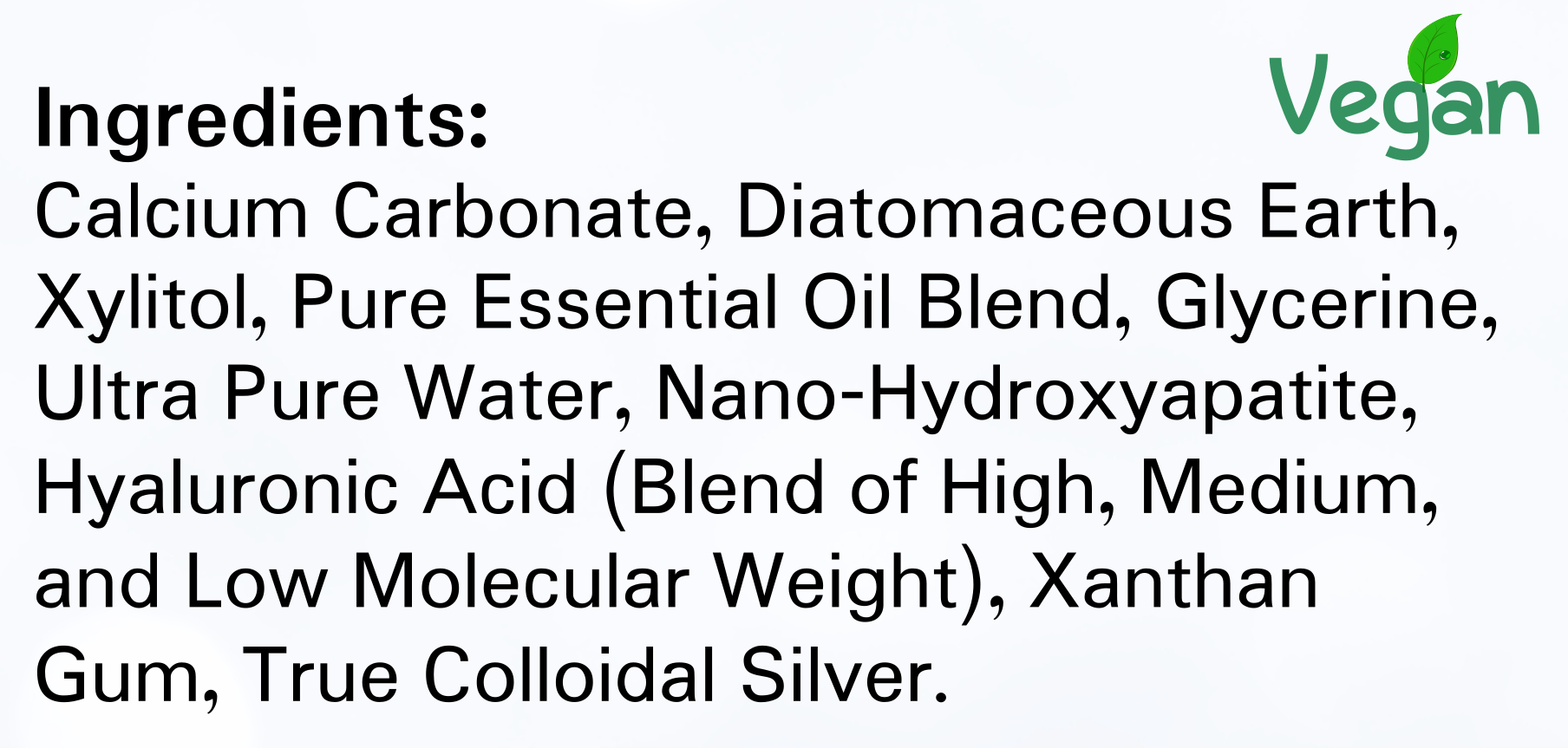
NanoDent Toothpaste Ingredients
About Our Ingredients
About Our Quality Standards
Silver Botanicals' products contain high quality (food grade or better; organic or wildcrafted, whenever available), all-natural, known-to-be safe (GRAS) ingredients. We never use synthetic ingredients, such as GMOs, petrochemicals, or highly-processed ingredients. We formulate and manufacture our products in our own facility and we do not outsource our production to third parties. We produce our own ultra pure water with an 8-stage, reverse osmosis system, that is free of virtually any contaminants. We do not conduct animal testing, or outsource any such tests (our products are "cruelty free").
We're more than happy to answer any specific questions. Feel free to contact us!
About Our Essential Oils
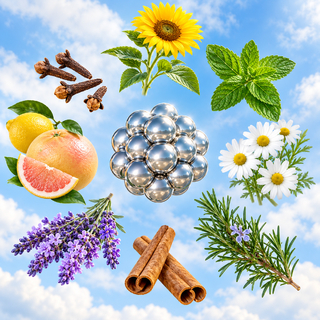
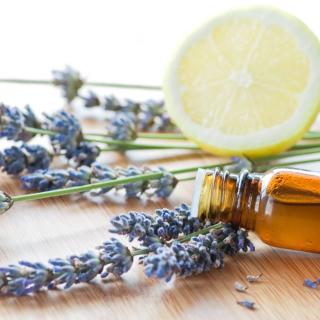
At Silver Botanicals we use pure, unadulterated, high quality, essential oils. This means that nothing has been added and nothing has been taken away. Our oils are mostly steam distilled, with a few oils that are absolutes, cold-pressed, or extracts. Our oils are organic and/or wildcrafted whenever possible. Our oils are selected with respect to their native regions of the world which impart their respective therapeutic value and potency.
Would you like to know more about essential oils?
About Our Colloidal Silver
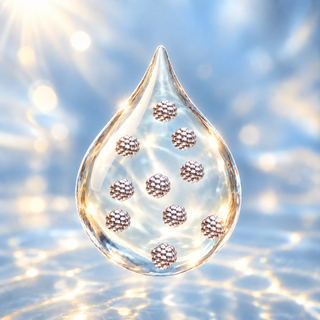
At Silver Botanicals we use true colloidal silver, which we source and manufacture. True colloidal silver is a refined suspension of silver nano particles in ultra pure water. These silver particles contain, on average, around 30 atoms (~0.65 nanometers in diameter). Our products contain between 10-30 ppm of true colloidal silver. Both the particle size and concentration are ideal for each product's intended use.
Would you like to know more about colloidal silver?
NanoDent Toothpaste FAQ
How does Hydroxyapatite strengthen enamel?
Hydroxyapatite strengthens enamel through a process called remineralization. This involves:
- Filling Gaps: Hydroxyapatite particles bind to the enamel, filling in microscopic cracks and weak spots caused by acids from food and bacteria.
- Restoring Minerals: It provides essential minerals, calcium and phosphate, which are vital for rebuilding enamel structure.
Hydroxyapatite is the native material of tooth enamel and the strategy behind brushing with it is to replenish this material for natural tooth repair and conditioning.
Why don't you use Fluoride along with or instead of Hydroxyapatite?
While similar to the remineralization process and mechanism of topical Hydroxyapatite, fluoride can remineralize tooth enamel through the formation of Fluorapatite. Fluoride can replace hydroxide ions in Hydroxyapatite (the natural mineral component of enamel), by forming Fluorapatite.
While to some degree this might happen naturally over the course of one's life, the topical application of fluoride via toothpaste is hardly natural.
That said, it could be argued that tooth enamel with higher levels of Fluorapatite might be more resistant to acid and bacterial attacks, it can also lead to other problems, like Dental fluorosis. Dental fluorosis is a condition where the teeth can become brittle, spotted and weaker as a result.
Again, to underscore the difference between topical application of Fluoride versus Hydroxyapatite, as it concerns daily brushing, Hydroxyapatite is safer and more natural.
What does Star Anise taste like?
Star anise has a sweet, licorice-like flavor with hints of clove and cinnamon. Yet, the essential oil — which is the component we use for flavoring NanoDent — contains no sugar, yet it imparts a mild sweetness with spicy and slightly bitter notes.
The primary taste comes from anethole, the same compound found in anise seed.
What should I do if my dispenser clogs?
Firstly, we recommend that when your NanoDent Toothpaste is not in use, keep the cap on! This will keep the product fresh longer and prevent severe clogging.
However, if you should find that your NanoDent dispense is clogged at the tip, simply take a toothpick, or similar poking device the clear it out. Once you'd dislodged any hardened material, it should flow again as normal.
Note: As an added measure, your NanoDent ships with a safety plug which you'll find inserted in the nozzle of your dispenser when you first open it. Don't throw this plug away! Instead, after each use, reinsert this plug, which will give your NanoDent an extended shelf life! Plus, it will also prevent any inadvertent clogging. Especially in a dry environment!
Why do you use Hyaluronic Acid in NanoDent?
Hyaluronic Acid is beneficial for gum health as it helps in tissue hydration, reduces inflammation, and accelerates healing.
Two if it's main benefits are:
- Hydration: Hyaluronic Acid retains moisture in the gum tissue, preventing dryness and promoting a balanced oral environment.
- Inflammation Reduction: It has anti-inflammatory properties that help soothe swollen and irritated gums, reducing redness and discomfort.
Also, Hyaluronic Acid stimulates collagen synthesis, which is essential for maintaining gum strength and elasticity.
Should I keep and reuse the Safety Plug that comes with my NanoDent?
Yes!
Don't throw this plug away! Instead, after each use, reinsert this plug, which will give your NanoDent an extended shelf life! Plus, it will also prevent any inadvertent clogging. Especially in a dry environment!
What is the Nano Particle Size and Form of the Hydroxyapatite used in NanoDent?
The nano-hydroxyapatite particle sizes range between 35 to 95 nanometers and their form is rod shaped.
What is the percentage of Nano Hydroxyapatite in NanoDent?
Three percent (3%) Nano Hydroxyapatite by weight (mass).