Silver Shield Deodorant
All Day Protection, All Natural Ingredients and Aluminum-Free
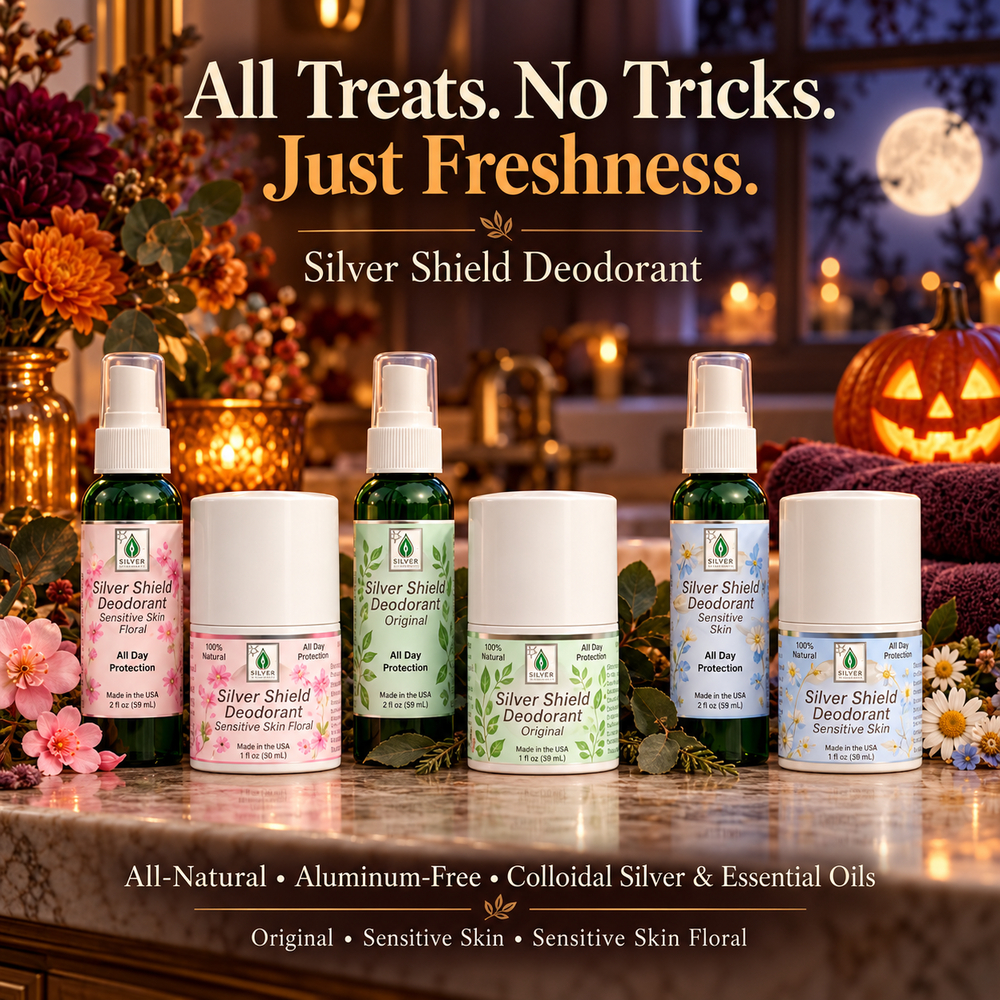
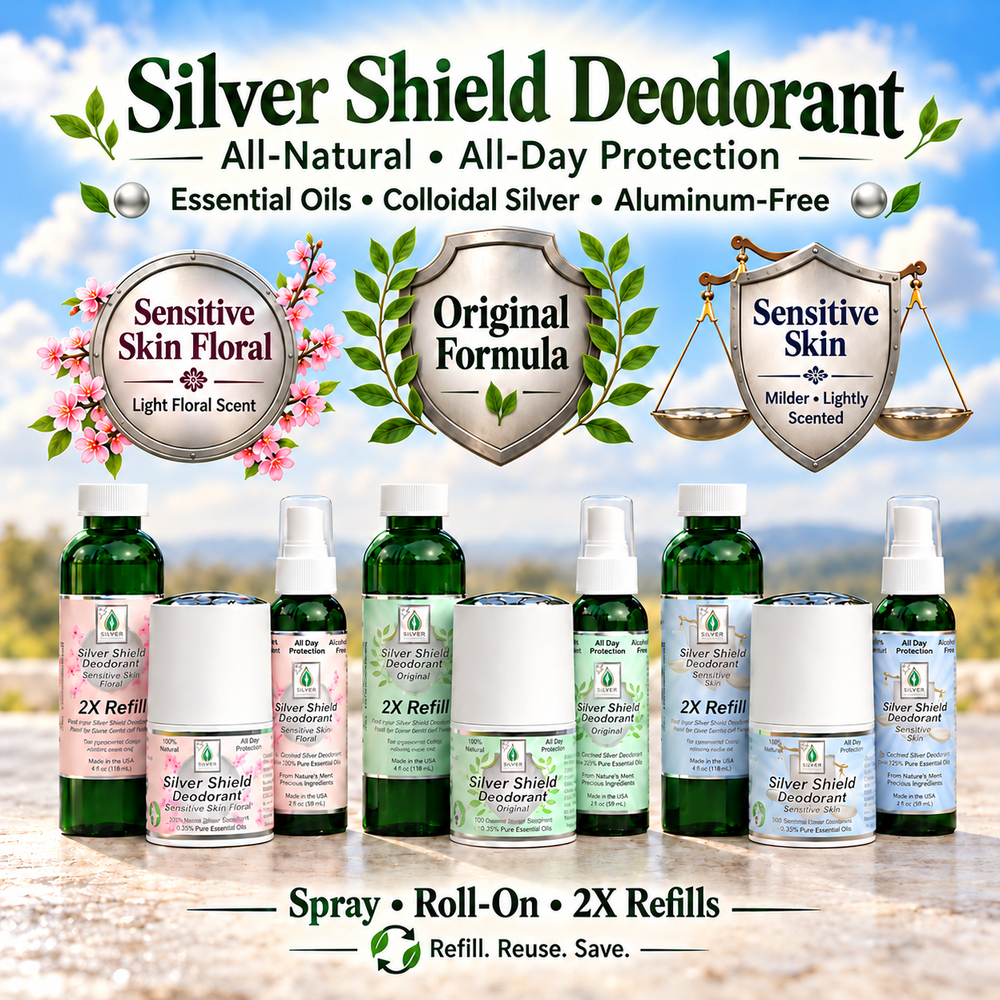
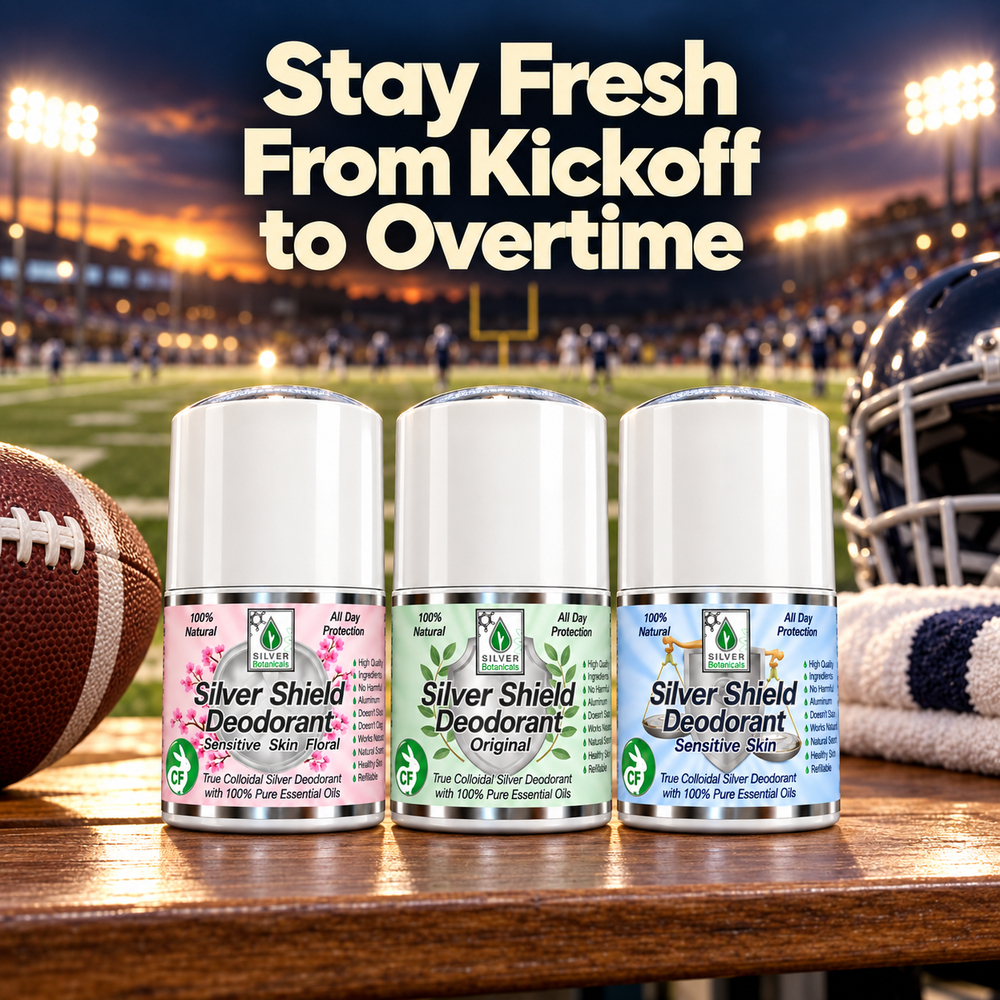
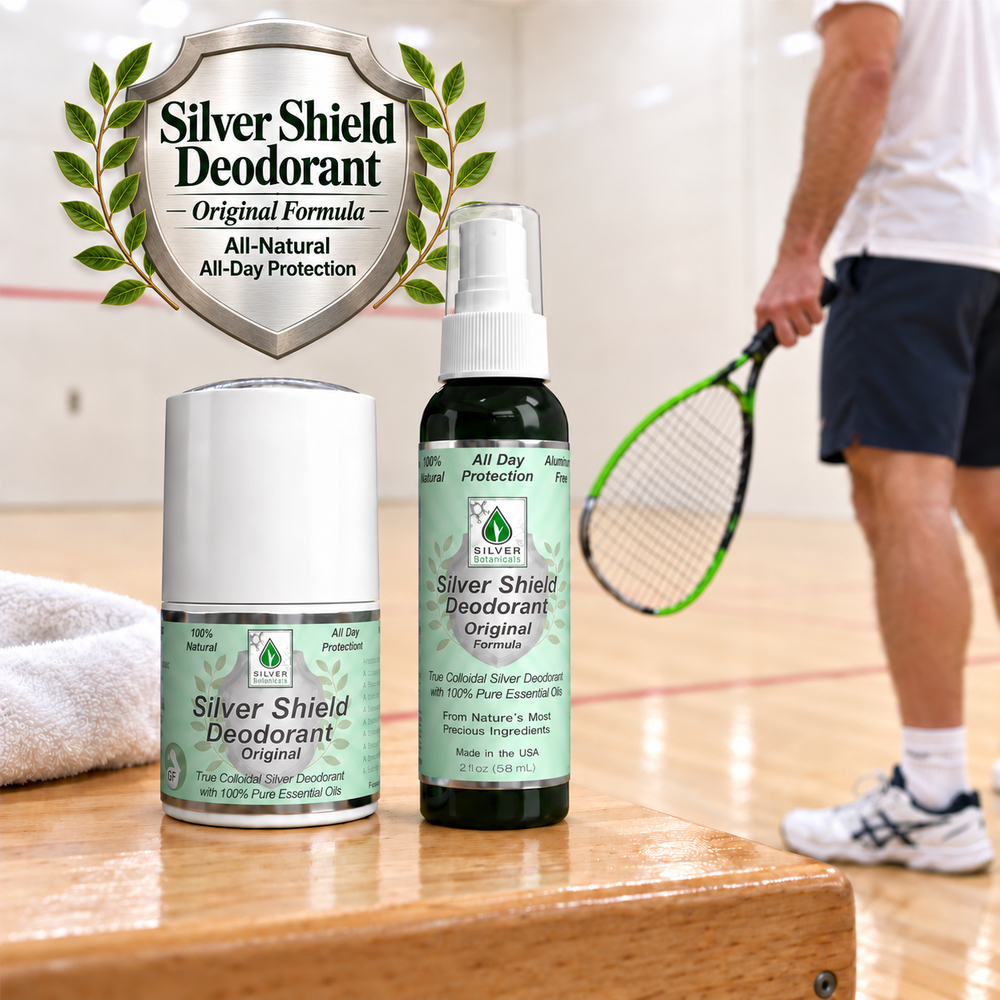
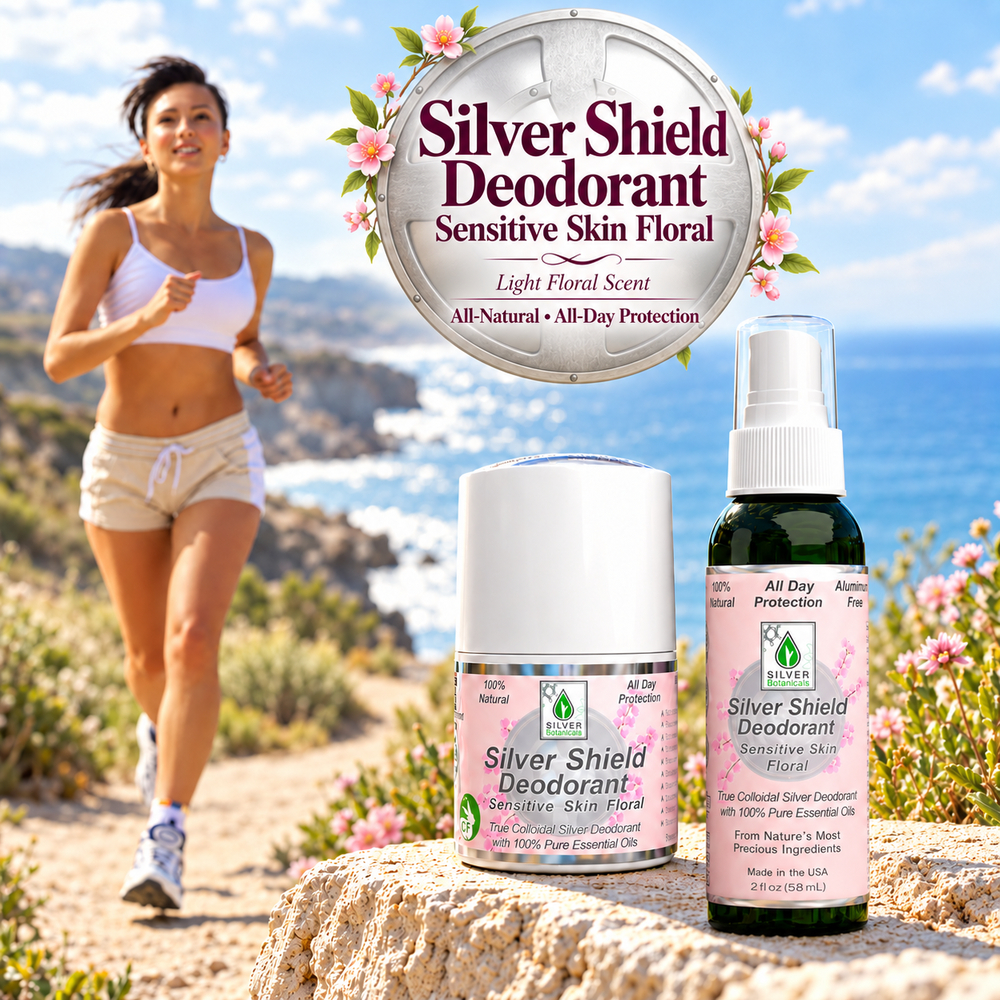
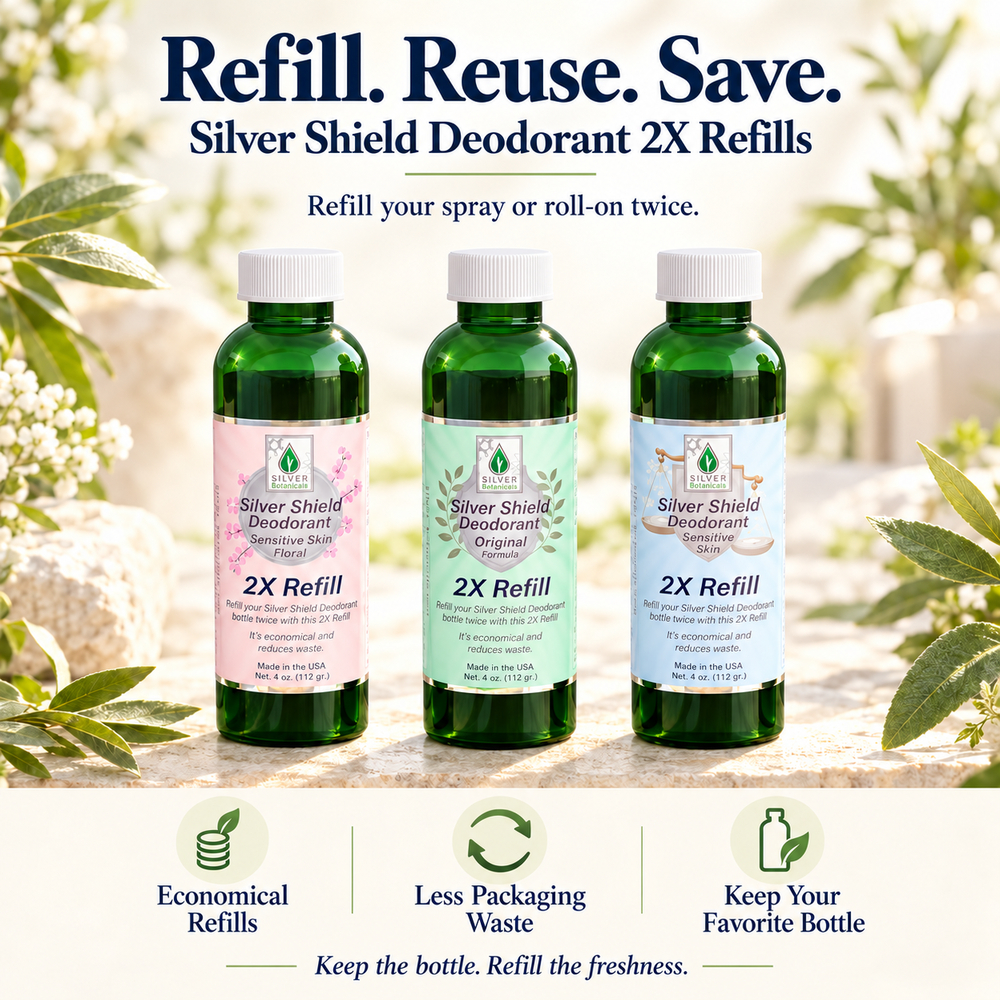
Available in 3 different formulas with 3 different applicators
- Originals Formula
- Sensitive Skin Formula
- Sensitive Skin, Floral Scent
- Roll-on, 2oz.
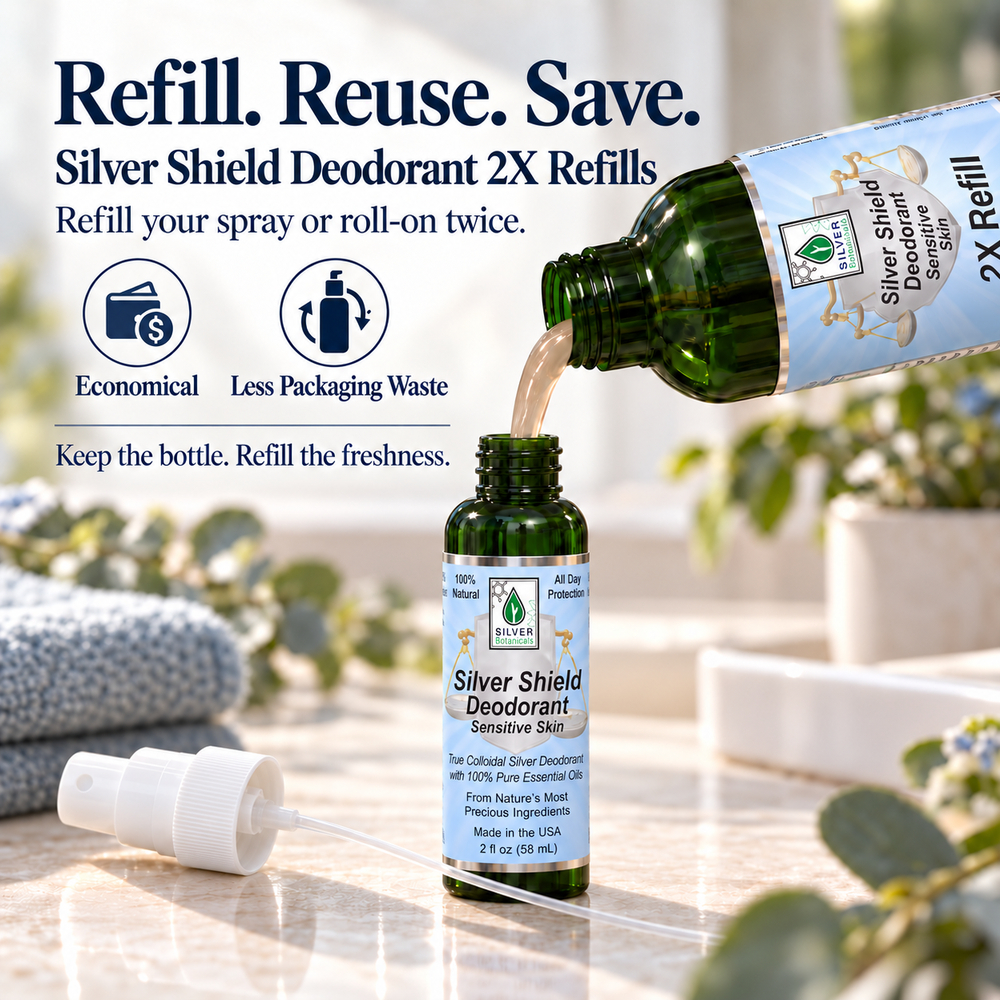
- Spray-on, 2oz.
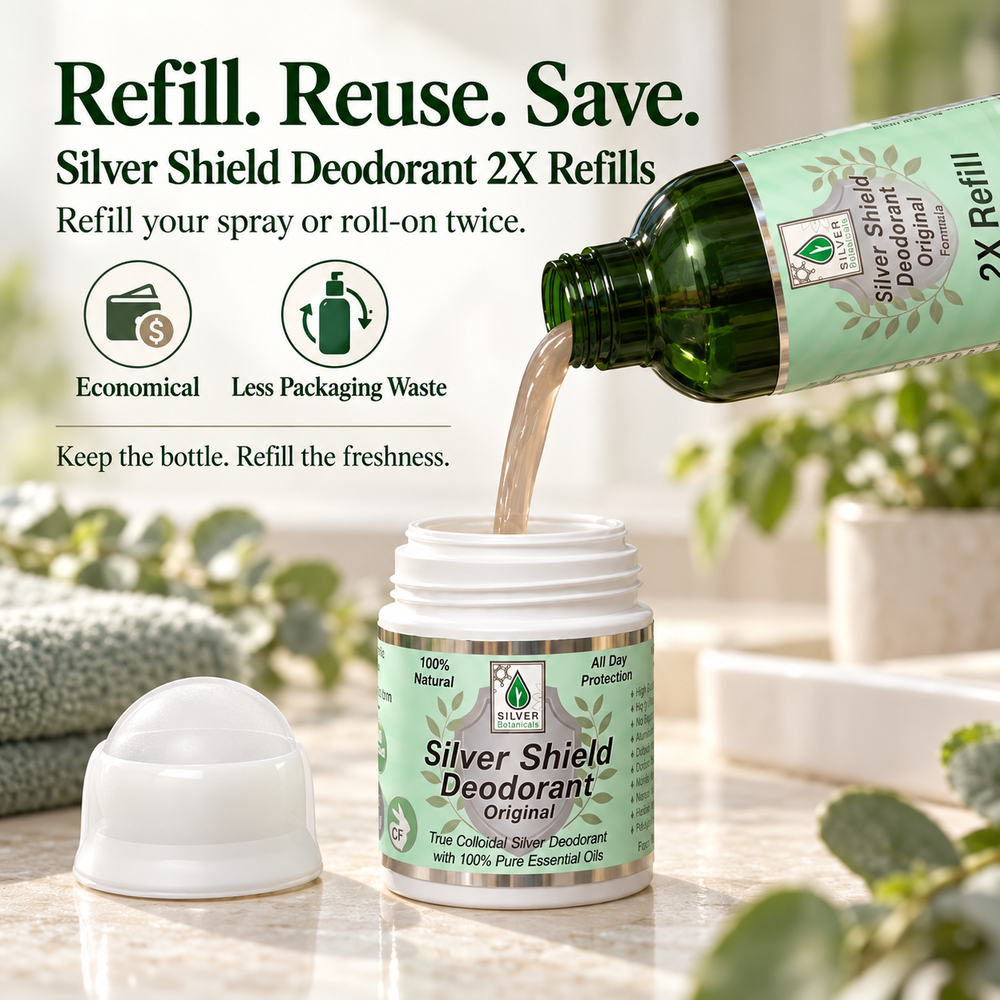
- 2X Refill, 4oz.
Key properties overview
Long Lasting
Silver Shield Deodorant is an extremely effective, all-day-long protection, underarm deodorant. It has even been shown to last multiple days when skipping showers.
Excellent Deodorizing Ability
Silver Shield Deodorant is highly effective at eliminating underarm odor--knocking it out on contact. It keeps you odor free, even under high stress and physical exertion.
Non-toxic
Silver Shield Deodorant was formulated from the very beginning with the goal of being non-toxic. It is made up of high quality, all-natural, food-grade ingredients. It is neither harmful to your body, or the environment.
Great Moisture Control
Silver Shield provides a mild antiperspirant effect without blocking your sweat glands and pores. Silver Shield uses a special blend of essential oils to help reduce perspiration. It also lays down a satin-like matrix that absorbs moisture, leaving you feeling dry and comfortable.
Fresh, Natural Scent
The scents of all Silver Shield Deodorant formulas (Original, Sensitive Skin & Floral Scent Sensitive Skin) were developed to provide a fragrance agreeable to both men and women. Silver Shield's scent does not linger, as it's not a perfume, nor does it contain any synthetic "fragrances."
Non-irritating
Silver Shield Deodorant is non-irritating for most skin types. However, for those individuals with various skin sensitivities we have developed two sensitive skin formulas to accommodate: Sensitive Skin & Floral Scent Sensitive Skin. Both are milder versions of our Original formula.
Great Economy
Despite Silver Shield's higher price, compared to conventional supermarket brands, it offers great economy! A single 2oz bottle of Silver Shield Deodorant Roll-on typically offers better than 2 months of use. Furthermore, Silver Shield Deodorant is refillable making for even greater savings and economy.
Refillable
Don't throw away that bottle! Silver Shield Deodorants are refillable! We currently offer 2X Refills in the formula of your choice, which will refill your 2oz Silver Shield Deodorant bottle (Roll-on, or Spray-on) twice. In the future we plan to offer more refill options for even greater savings and economy.
Excellent performance, all-natural, and non-toxic.
Silver Shield Deodorant is specially formulated to provide long-lasting odor protection, naturally control moisture and support healthy underarm skin. Made from safe and effective, high quality, all-natural ingredients.
- Aluminium-free
- Petro-chemical free
- Made with true colloidal nanosilver
- Made with 100% pure essential oils
- Provides all-day protection against odor
- Refillable applicators for many reuses
- BPA-free bottle
- Roll-on: #5 & #4 plastics
- Spray-on: #1 plastic
Silver Shield Deodorant
One try and you'll agree, or your money back.
'Wow-factor' Effectiveness.
Formulas & Ingredients

Original Formula
Our Original Formula is our strongest and most effective deodorant formula. It has a blend of 12 pure essential oils which were chosen for their antibacterial, skin-nourishing, deodorizing, sweat-reducing, and detoxifying properties. This oil blend along with true colloidal nanosilver, and other all-natural ingredients, provides for a multifaceted, synergistic solution for all-day odor protection. The Original Formula is also effective at eliminating existing odor and providing mild moisture control. It has a pleasant, herbal scent that typically dissipates within minutes after application. Note: we have found that approximately 5% of our customers find this formula a bit irritating. If you experience irritation with the Original Formula, please try one of our Sensitive Skin Formula.
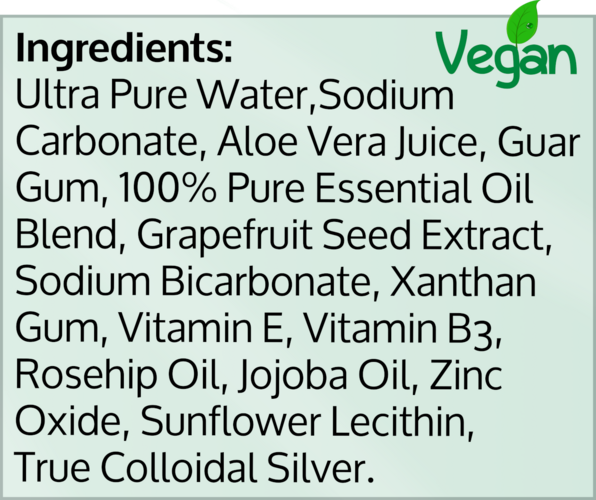
Orginal Formula Ingredients Panel
See Details For Individual Ingredients
Ultra Pure Water
Ultra pure water begins as naturally sourced water that undergoes advanced purification to remove minerals and impurities, creating an exceptionally clean ingredient. Throughout history, clean water has been essential in the preparation of soaps, herbal remedies, cosmetics, and other personal care products, with purification methods evolving as technology advanced. Today, ultra pure water is the foundation of Silver Botanicals' formulations, providing a clean, consistent base that supports product quality, stability, and performance.
- INCI name: Water
- Ingredient type: Solvent
- Method(s) of extraction or purification: Particulate Filtration, Activated Carbon Filtration, Reverse Osmosis Filtration, Ion Exchange Polishing, UV Disinfection
Interesting Fact(s): Ultra Pure Water is among the cleanest forms of water used in industry, with impurities such as dissolved minerals, organic compounds, microorganisms, and trace contaminants removed to extremely low levels. It is commonly used in high-precision industries such as semiconductor manufacturing, pharmaceuticals, and laboratory research.
Sodium Carbonate
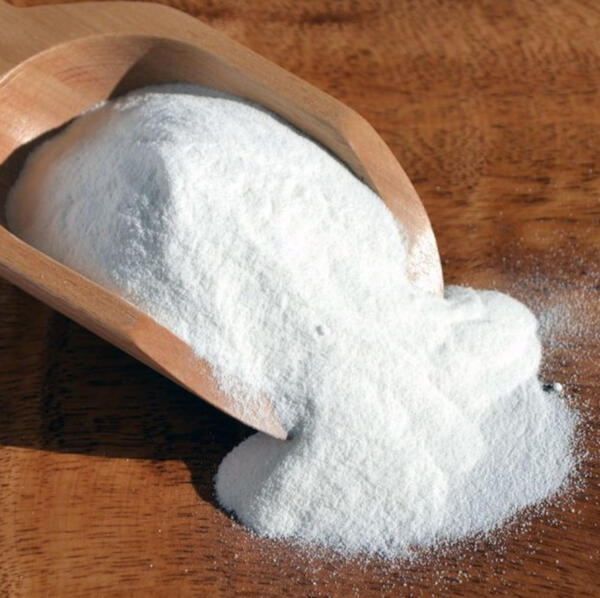
Sodium carbonate, commonly known as washing soda or soda ash, is a white, odorless, water-soluble salt used in many modern applications. Historically, it was extracted from the ashes of plants grown in sodium-rich soils, and because the ashes of these sodium-rich plants were noticeably different from ashes of wood, sodium carbonate became known as "soda ash". Silver Botanicals' uses sodium carbonate as an all-natural, ph-adjuster in many of its formulations.
- INCI name: Sodium Carbonate
- Ingredient type: Mineral Salt,pH Aduster
- Method(s) of extraction or purification: Solvay process
Interesting Fact(s): Sodium Carbonate, also known as Natron, was one of the earliest naturally occurring cleaning agents used by civilization.
Aloe Vera Juice
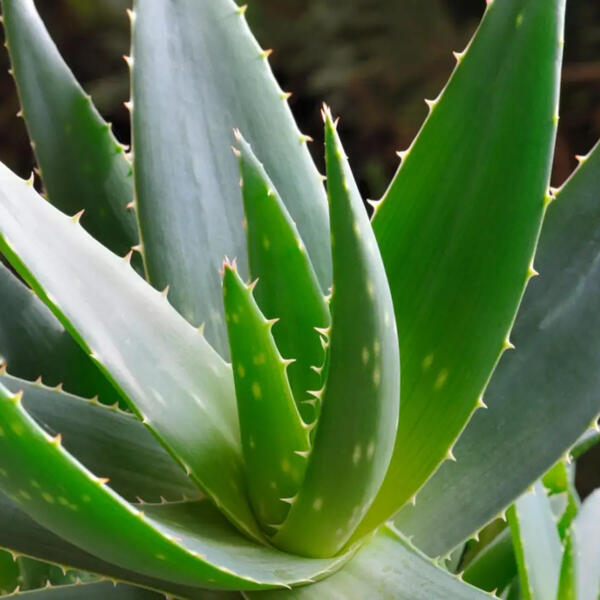
Aloe vera is associated with hot, arid regions of North Africa and the Arabian Peninsula, where aloe has long been grown and naturalized in many places. Historically, aloe gel/leaf preparations were used topically across ancient Mediterranean and neighboring cultures for soothing skin and supporting comfort after irritations, and it also appeared in traditional herbal medicine as a broader “skin remedy.” Over time, aloe became especially known for its cooling, calming reputation—less about fragrance and more about a soothing, comfort-first use. Today, aloe vera juice is valued in several of Silver Botanicals' formulas for delivering a light, refreshing feel while supporting hydration and “soothing” type benefits.
- INCI name: Aloe Barbadensis Leaf Juice
- Ingredient type: Botanical Juice
- Parts used: Leaves
- Aroma: Very mild, fresh, green, and slightly vegetal.
- Key constituents: olysaccharides (including acemannan), amino acids, vitamins A, C, and E (naturally occurring in small amounts), enzymes, minerals, and trace phytosterols.
- Native region(s): Arabian Peninsula; now cultivated throughout tropical and subtropical regions worldwide.
Interesting Fact(s): Ancient Egyptian writings referred to aloe as the "plant of immortality," and it was reportedly included among the burial offerings of pharaohs.
Guar Gum
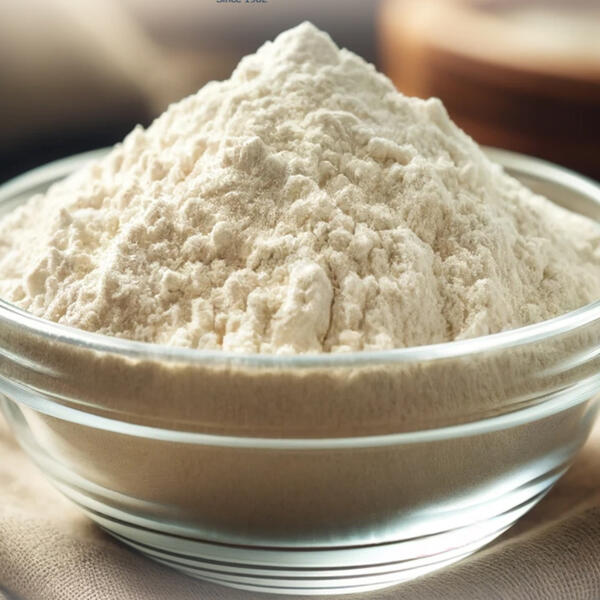
Guar gum is a naturally derived plant gum made from the seeds of the guar plant (Cyamopsis tetragonoloba), a legume native to India and Pakistan that has been cultivated for centuries. Traditionally, guar beans were consumed in India as a nutritious food and were also used to support digestive health because of their natural fiber content. Today, Silver Botanicals uses guar gum in its deodorant products where it functions as a plant-based thickener and stabilizer to create smooth, consistent formulations.
- INCI name: Cyamopsis Tetragonoloba Gum
- Ingredient type: Natural Thickener
- Parts used: Ground endosperm of guar beans
- Key constituents: Galactomannan polysaccharides.
- Native region(s): India and Pakistan.
Interesting Fact(s): Guar gum can thicken water at concentrations below one percent.
Grapefruit Seed Extract
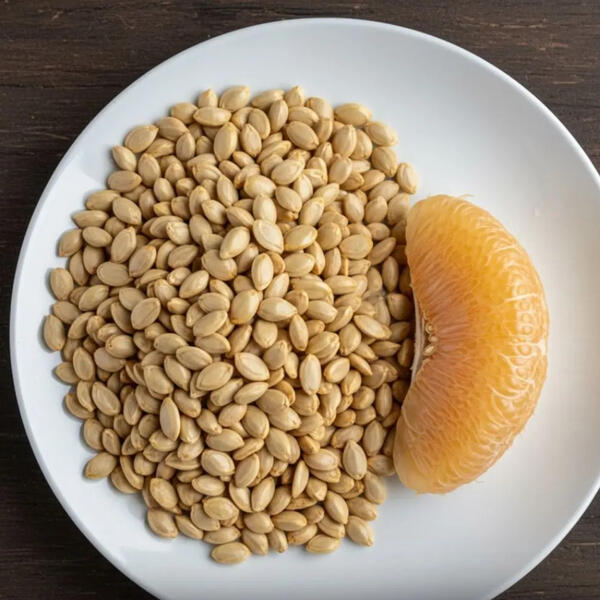
Grapefruit seed extract is derived from the seeds and pulp of the grapefruit (Citrus × paradisi), a citrus fruit that originated in the Caribbean during the 18th century as a natural hybrid between the pomelo and sweet orange. Historically, grapefruit was cultivated primarily for its flavorful fruit, while extracts from its seeds and pulp became more widely developed for commercial use during the late 20th century. Today, Silver Botanicals utilizes grapefruit seed extract in a variety of its all-natural personal care products, where it is valued as a naturally derived botanical ingredient.
- INCI name: Citrus Grandis Seed Extract
- Ingredient type: Botanical Extract
- Method(s) of extraction or purification: Extracted from grapefruit seeds and pulp.
- Parts used: Seeds and pulp
- Aroma: Mildly citrusy with subtle bitter notes.
- Key constituents: Flavonoids, limonoids, vitamin C (trace), polyphenols.
- Native region(s): Grapefruit originated in the Caribbean as a natural citrus hybrid.
Interesting Fact(s): Some commercial grapefruit seed extracts contain added preservation compounds, making ingredient sourcing especially important.
Sodium Bicarbonate
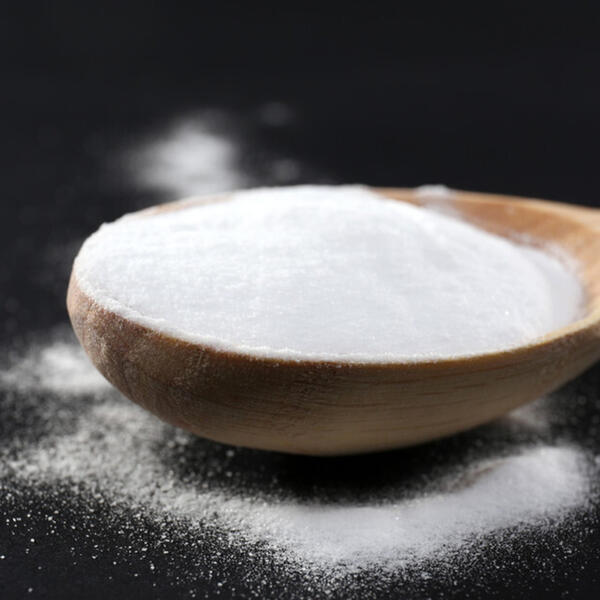
Sodium bicarbonate, commonly known as baking soda, is a naturally occurring mineral compound found in mineral springs and natural deposits, with its use dating back to ancient civilizations that relied on naturally alkaline minerals for personal and household cleansing purposes. Historically, it was valued for its versatility in cooking, cleaning, and personal care, becoming a staple ingredient in homes around the world. Today, Silver Botanicals uses sodium bicarbonate is its all-natural products, where it serves as a gentle cleanser, deodorizer, and pH-balancing ingredient.
- INCI name: Sodium Bicarbonate
- Ingredient type: pH Aduster,deodorizer,cleanser
- Method(s) of extraction or purification: Solvay process
Interesting Fact(s): Sodium bicarbonate is an odor neutralizer (not just a deodorizer): sodium bicarbonate can help reduce “smell-causing” acidity/odor compounds—why it’s common in deodorant and foot-related products.
Xanthan Gum
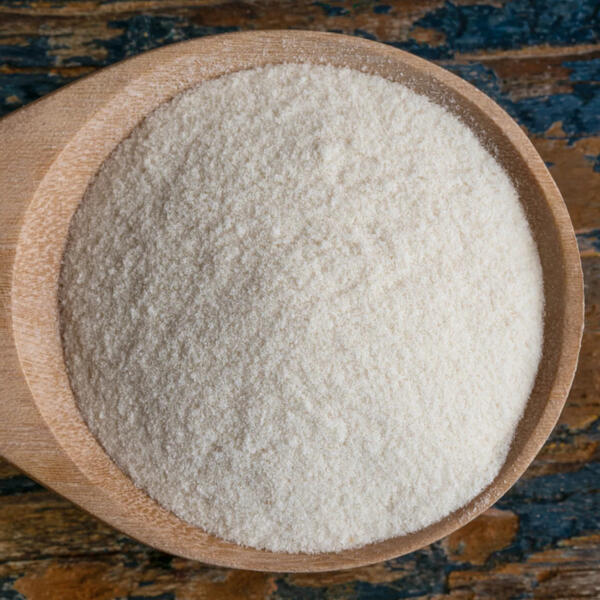
Xanthan gum is a naturally derived polysaccharide produced through the fermentation of plant-based sugars, a process discovered in the mid-20th century that utilizes naturally occurring microorganisms. Historically, fermentation has been used for thousands of years to create foods, beverages, and useful natural materials, with xanthan gum becoming an important innovation in modern food and personal care production. Today, xanthan gum is used in many of Silver Botanicals' all-natural formulations, where it acts as a natural thickener and stabilizer to create smooth, consistent formulations.
- INCI name: Xanthan Gum
- Ingredient type: Polysaccharide; thickener and stabilizer (viscosity modifier; suspension stabilizer)
- Method(s) of extraction or purification: Produced by microbial fermentation using Xanthomonas campestris
- Key constituents: A high–molecular-weight polysaccharide composed of repeat units containing glucose, mannose, glucuronic acid, and side-chain acetyl/pyruvyl substitutions
Interesting Fact(s): It’s an anionic polysaccharide and is noted for stabilizing emulsions and suspensions across a broad pH/temperature range
French Lavender Essentail Oil
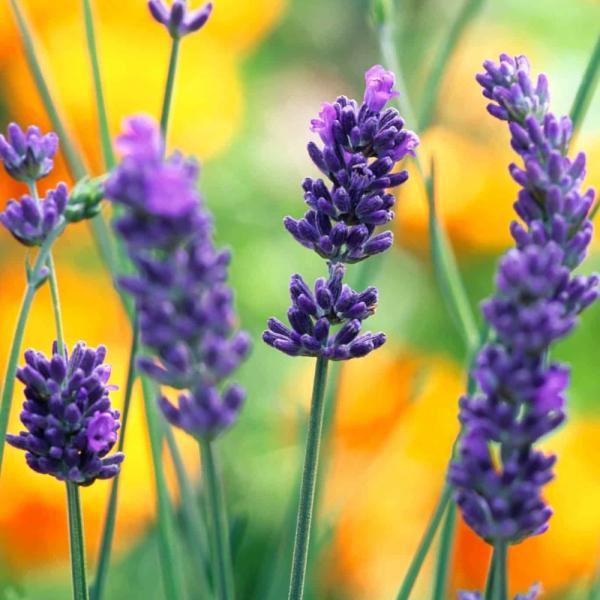
French lavender essential oil is steam distilled from the flowering tops of Lavandula angustifolia, a species native to the Mediterranean region that has been cultivated in France for centuries, particularly in Provence. Ancient Mediterranean cultures used lavender to promote restful sleep, relieve anxiety, soothe burns, and cleanse wounds.Today, Silver Botanicals' uses french lavender essential oil in several of its all-natural formulations, where it is appreciated for its soft, floral aroma and timeless botanical heritage.
- INCI name: Lavandula Angustifolia Oil
- Ingredient type: Essential Oil
- Method(s) of extraction or purification: Steam-distilled from flowering tops.
- Parts used: Flowers
- Key constituents: Linalool, linalyl acetate, lavandulol, terpinen-4-ol.
- Native region(s): France and the Mediterranean region.
Interesting Fact(s): One of the most versatile essential oils, blending well with nearly every fragrance family.
Jojoba Oil
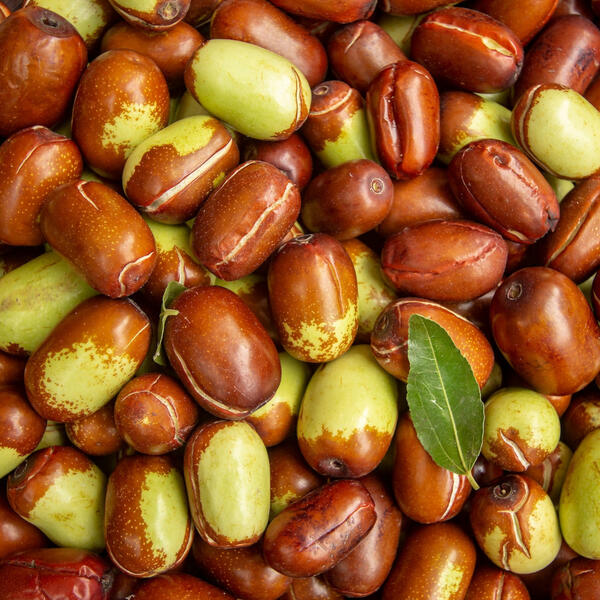
Jojoba oil is a liquid plant wax pressed from the seeds of the jojoba shrub (Simmondsia chinensis), a desert plant native to the southwestern United States and northern Mexico that has thrived in arid climates for thousands of years. Indigenous peoples of the Sonoran Desert traditionally applied jojoba oil to wounds, burns, dry skin, and scalp conditions while also using it to condition hair. Today, Silver Botanicals' uses jojoba oil is in its all-natural deodorants and bath additive, where it is appreciated for its lightweight feel, plant-based origin, and excellent moisturizing and skin-protecting properties.
- INCI name: Simmondsia Chinensis Seed Oil
- Ingredient type: Carrier Oil (Liquid Wax Ester)
- Method(s) of extraction or purification: Cold-pressed
- Parts used: Seeds
- Aroma: Mild, clean, slightly nutty, and earthy.
- Key constituents: Wax esters, eicosenoic acid, erucic acid, tocopherols.
- Native region(s): Southwestern United States and northern Mexico.
Interesting Fact(s): Jojoba oil is technically a liquid wax rather than a true vegetable oil.
Vitamin E
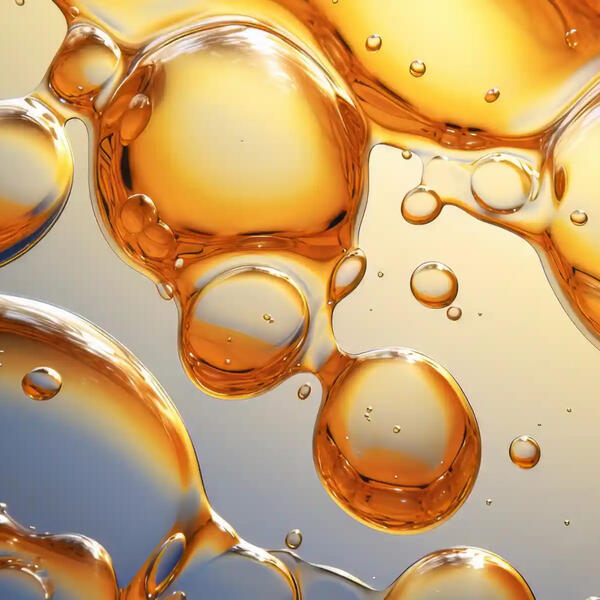
Vitamin E is a naturally occurring antioxidant found in plant oils, nuts, seeds, and leafy green vegetables, and it was first identified by scientists in the early 20th century while studying nutrients essential to healthy plant and animal life. Historically, vitamin E has been obtained from nutrient-rich plant sources, particularly vegetable oils, and has long been valued as a naturally occurring component of botanical ingredients. Today, naturally sourced vitamin E is used in many of Silver Botanicals' all-natural products, where it helps support product stability while serving as a skin-protecting, plant-derived ingredient.
- INCI name: Tocopherol (vitamin E)
- Ingredient type: Fat-soluble antioxidant; vitamin
- Aroma: Usually neutral/mild (can vary slightly by form and grade; often described as having a faint oil-like character)
- Key constituents: Alpha-, beta-, gamma-, and delta-tocopherols.
Interesting Fact(s): Vitamin E is a powerful oil-soluble antioxidant used in skincare because it helps protect oils from oxidation. In personal care products, it is commonly added not only for its skin-conditioning properties but also to help stabilize natural oils such as jojoba, rosehip, and sunflower oils, extending the shelf life of oil-based formulations.
Niacinamide
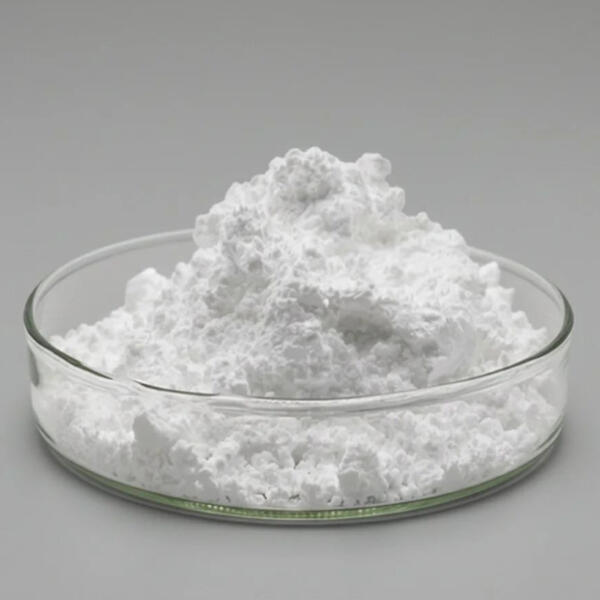
Niacinamide, a form of vitamin B3, is a naturally occurring nutrient found in foods such as whole grains, legumes, nuts, and mushrooms, and it was first identified by scientists in the early 20th century during vitamin research. Historically, vitamin B3 was recognized as an essential nutrient, leading to its widespread use in nutritional and personal care formulations as scientific understanding advanced. Today, niacinamide is used in many of Silver Botanicals' all-natural skin care products where it is valued as a nature vitamin that supports the normal skin-barrier function.
- INCI name: Niacinamide (Vitamin B3)
- Ingredient type: Vitamin
- Method(s) of extraction or purification: fermentation, catalytic amidation, oxidation & hydration steps
Interesting Fact(s): Niacinamide is naturally found in many foods – It occurs naturally in foods such as mushrooms, peanuts, whole grains, legumes, and meat, and its compatibility with skin has made it one of the most widely used vitamin-based ingredients in modern personal care formulations.
Myrtle Essential Oil
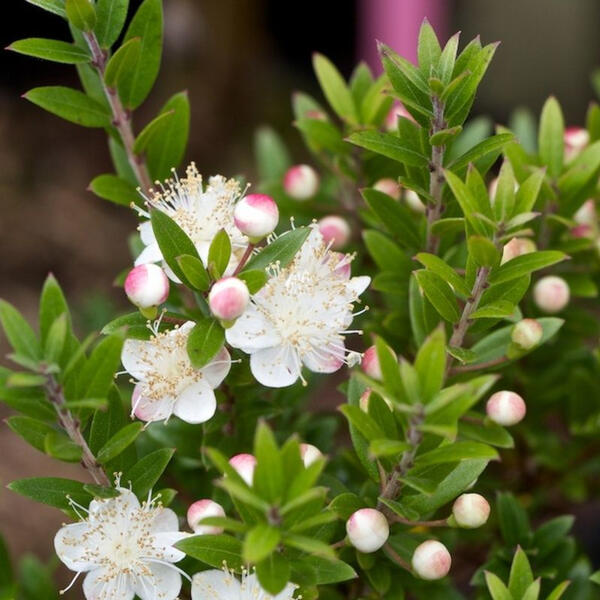
Myrtle essential oil is steam distilled from the leaves and twigs of the myrtle plant (Myrtus communis), an evergreen shrub native to the Mediterranean region that has been cultivated for thousands of years. Historically, ancient Egyptians, Greeks, and Romans used myrtle to treat respiratory infections, urinary disorders, wounds, and skin ailments. Silver Botanicals utilizes myrtle essential oil in many of its all-natural products where it is appreciated for its fresh, herbaceous aroma, many health, home, and deodorizing benefits, and enduring Mediterranean botanical heritage.
- INCI name: Myrtus communis Oil
- Ingredient type: Essential Oil
- Method(s) of extraction or purification: Steam-distilled from leaves.
- Parts used: Leaves
- Aroma: Fresh, green, herbaceous, slightly camphoraceous, with soft woody and subtly sweet balsamic notes.
- Key constituents: 1, 8-Cineole (eucalyptol), alpha-pinene, limonene, linalool, myrtenyl acetate, and geranyl acetate.
- Native region(s): Mediterranean region.
Interesting Fact(s): Myrtle (called Hadassah) is one of the plants used in the Feast of the Tabernacles tradition (with Hadassah standing for moral/spiritual qualities), and in Christian symbolism it became associated with purity (the Virgin Mary).
Vanilla Extract
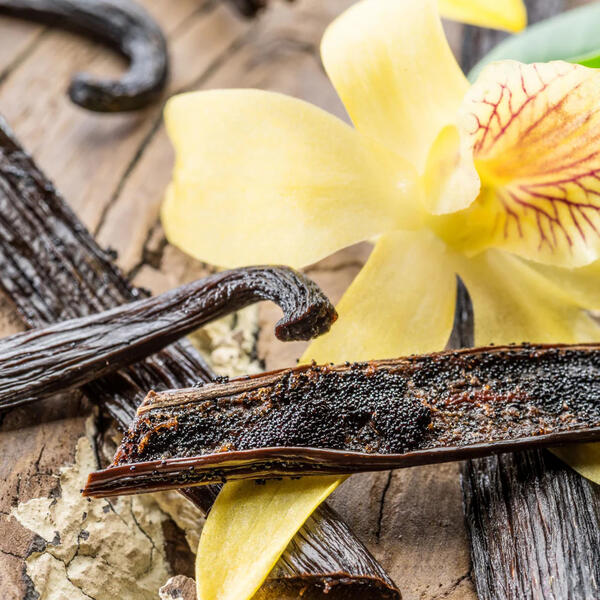
Vanilla extract is derived from the cured pods of the vanilla orchid (Vanilla planifolia), a tropical orchid native to Mexico that has been cultivated and treasured for centuries. Historically, the Totonac and Aztec peoples used vanilla in traditional preparations as a digestive aid, restorative tonic, and aromatic ingredient believed to promote well-being. Vanilla extract is used in several of Silver Botanicals' all-natural products, where it is appreciated for its warm, sweet aroma and rich botanical heritage.
- INCI name: Vanilla Planifolia Fruit Extract
- Ingredient type: Botanical Extract
- Method(s) of extraction or purification: Alcohol extraction of cured seed pods
- Parts used: Fruit (seed pods)
- Aroma: Warm, rich, sweet, classic vanilla scent.
- Key constituents: Vanillin, vanillic acid, and aromatic phenolic compounds
- Native region(s): Mexico; now widely cultivated in Madagascar and other tropical regions.
Interesting Fact(s): Each vanilla flower blooms for just one day and must be pollinated during that short window.
Palmarosa Essential Oil
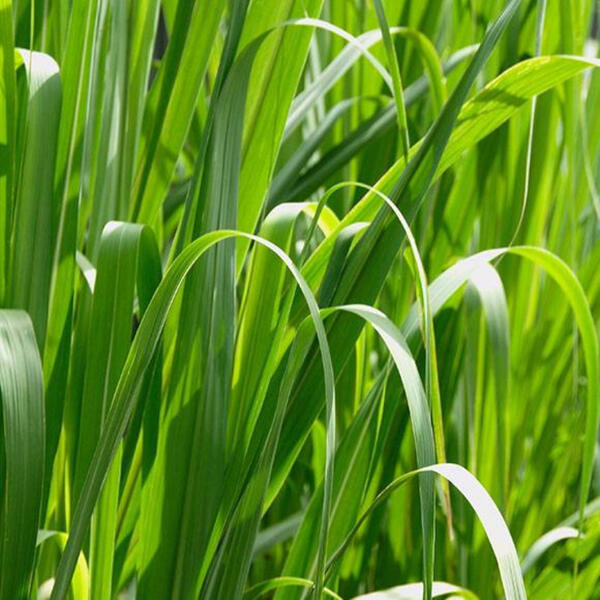
Palmarosa essential oil is steam distilled from the leaves of the palmarosa grass (Cymbopogon martinii), a fragrant plant native to India and other parts of South Asia that has been cultivated for centuries. Historically, palmarosa was valued in traditional Indian botanical practices and later became an important ingredient in perfumery because of its naturally sweet, rose-like fragrance. Traditional Indian herbalists used palmarosa to help care for skin conditions, reduce fevers, support digestion, and promote general wellness. Silver Botanicals uses palmarosa essential oil in its floral deodorant where it is appreciated for its delicate floral aroma and rich botanical heritage.
- INCI name: Cymbopogon Martinii Oil
- Ingredient type: Essential Oil
- Method(s) of extraction or purification: Steam-distilled from flowering grass
- Parts used: Leaves and flowering tops
- Aroma: Sweet, rosy, grassy, and lightly citrusy
- Key constituents: Geraniol, geranyl acetate, linalool
- Native region(s): India and Southeast Asia
Interesting Fact(s): Despite its rose-like aroma, palmarosa is actually a tropical grass closely related to lemongrass.
Sandalwood Essential Oil
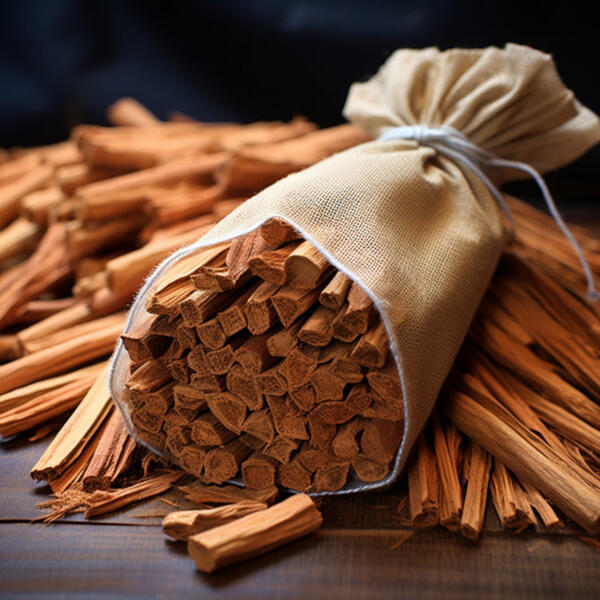
Sandalwood essential oil is steam distilled from the heartwood of sandalwood trees (Santalum album and related species), which are native to India and parts of Southeast Asia and have been prized for more than 4,000 years. Historically, Ayurvedic and traditional Chinese medicine used sandalwood to help treat inflammatory skin conditions, urinary disorders, anxiety, digestive complaints, and respiratory ailments. Sandalwood essential oil is used in Silver Botanicals all-natural essential oil blends where it is appreciated for its warm, woody aroma and enduring botanical heritage.
- INCI name: Santalum Album Oil
- Ingredient type: Essential Oil
- Method(s) of extraction or purification: Steam-distilled from mature heartwood
- Parts used: Heartwood
- Aroma: Rich, creamy, soft, woody, and warm with subtle sweetness
- Key constituents: alpha-Santalol, beta-santalol, santalenes.
- Native region(s): India and parts of Southeast Asia
Interesting Fact(s): A sandalwood tree typically must mature for 20–30 years before producing heartwood suitable for oil extraction.
Rosehip Oil
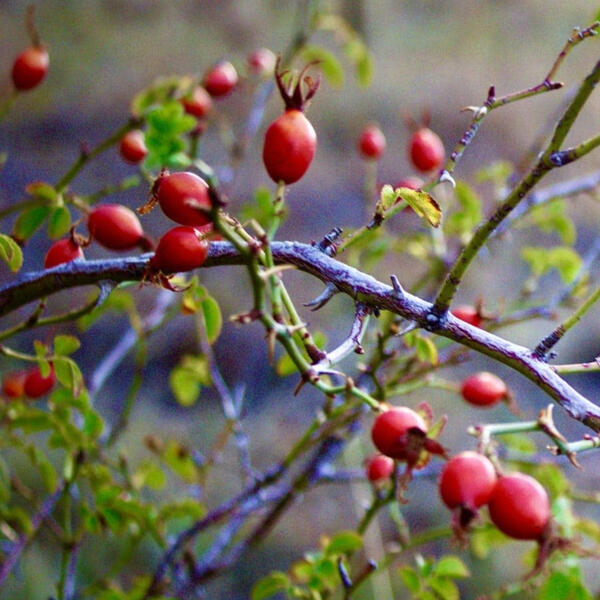
Rosehip oil is a natural oil extracted from the seeds of the rosehip fruit. It is rich in vitamins A, C, and E, as well as essential fatty acids, making it beneficial for skin health, including moisturizing, reducing scars, and improving signs of aging. Its use dates back to ancient civilizations, including the Egyptians, who utilized it for skin care, and it gained popularity in the 1980s for its skin regeneration properties. Silver Botanicals' uses it in our deodorant formulation to help protect and provide for healthy skin.
- INCI name: Rosa Canina Seed Oil
- Ingredient type: Carrier Oil
- Method(s) of extraction or purification: Cold-pressed
- Parts used: Seeds
- Aroma: Mild, earthy, and slightly nutty
- Key constituents: Linoleic acid, alpha-linolenic acid, oleic acid, tocopherols, carotenoids.
- Native region(s): Europe, South America, and parts of Asia
Interesting Fact(s): Rosehips naturally contain vitamin C, although the oil itself contains very little because vitamin C is water-soluble.
Cedarwood Atlas Essential Oil
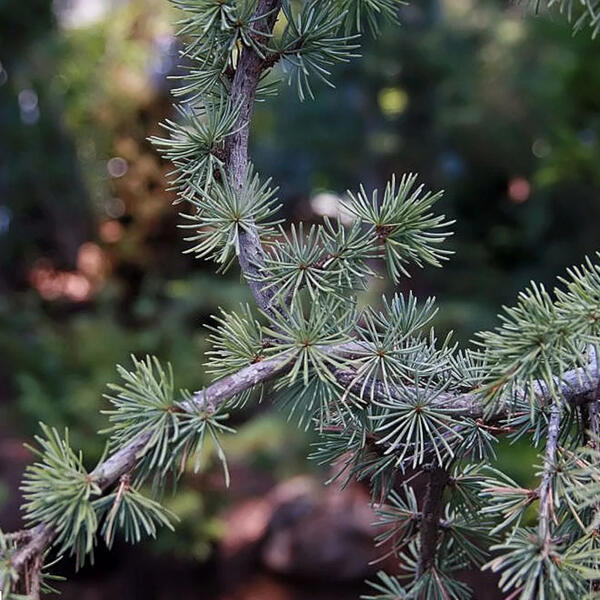
Cedarwood (Atlas) essential oil is steam distilled from the wood of the Atlas cedar (Cedrus atlantica), a majestic evergreen tree native to the Atlas Mountains of Morocco and Algeria. Historically, cedarwood atlas was used in North African and Middle Eastern traditions for skin care, respiratory support, and as a natural insect repellent. Silver Botanicals utilizes cedarwood atlas essential oil in many of its all-natural products where it is appreciated for its warm, woody fragrance, deodorizing properties, and skin & environmental protecting effects.
- INCI name: Cedrus Atlantica Bark Oil
- Ingredient type: Essential Oil
- Method(s) of extraction or purification: steam distillation
- Parts used: Heartwood
- Aroma: Sweet, woody, balsamic, smooth, and slightly resinous.
- Key constituents: Atlantones, himachalenes, cedrol.
- Native region(s): Atlas Mountains of Morocco and Algeria.
Interesting Fact(s): Atlas cedar is one of only a few species considered a "true cedar."
Cypress Essential Oil

Cypress essential oil is steam distilled from the needles and twigs of the Mediterranean cypress (Cupressus sempervirens), an evergreen tree native to southern Europe and western Asia that has been cultivated for thousands of years. Mediterranean herbal traditions used cypress to support circulation, reduce excessive perspiration, and ease respiratory discomfort. Cypress essential oil is used in Silver Botanicals' all-natural deodorants where it is valued for its fresh, woody aroma and assisting in normalizing skin function.
- INCI name: Cupressus Sempervirens Leaf/Nut/Stem Oil
- Ingredient type: Essential Oil
- Method(s) of extraction or purification: steam distillation
- Parts used: Needles, twigs, and cones
- Aroma: Clean, woody, fresh, evergreen, and slightly smoky
- Key constituents: alpha-Pinene, delta-3-carene, limonene, cedrol.
- Native region(s): Mediterranean Basin
Interesting Fact(s): Cypress wood is naturally resistant to decay, allowing some ancient structures and artifacts made from it to survive for centuries.
Tea Tree Essential Oil
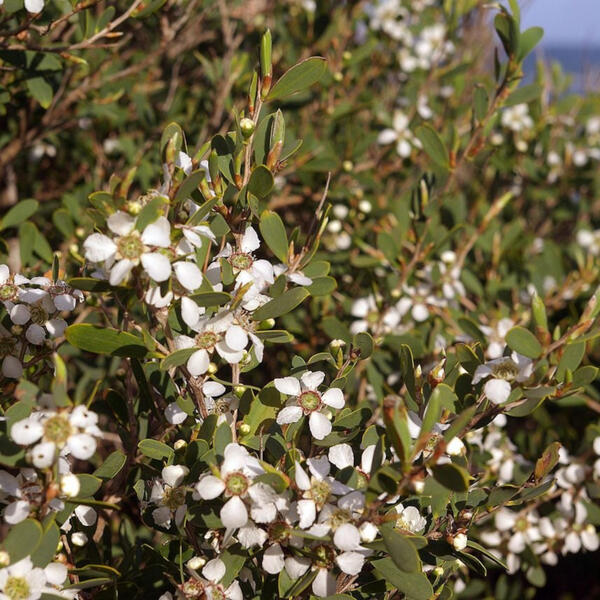
Tea tree oil, also called melaleuca oil, is a fragrant essential oil produced by steaming the leaves of the Australian tea tree (Melaleuca alternifolia). Long before Western medicine, Aboriginal Australians used crushed leaves and leaf infusions to help with skin issues, suggesting early discovery of its practical effects. In later centuries, European naturalists and researchers became aware of the plant’s medicinal potential, leading to systematic study and eventual commercial distillation. Silver Botanicals' utilizes tea tree oil in many of its products for many beneficial health and environmental effects.
- INCI name: Melaleuca Alternifolia (Tea Tree) Leaf Oil
- Ingredient type: Essential Oil
- Method(s) of extraction or purification: Steam-distilled from the leaves
- Parts used: leaves
- Aroma: Sharp, fresh, medicinal, camphoraceous, and distinctly herbal
- Key constituents: Terpinen-4-ol, gamma-terpinene, alpha-terpinene, 1, 8-cineole, alpha-pinene.
- Native region(s): New South Wales and Queensland, Australia
Interesting Fact(s): Tea tree oil is one of the most extensively researched essential oils used in natural personal care.
Rosemary Essential Oil
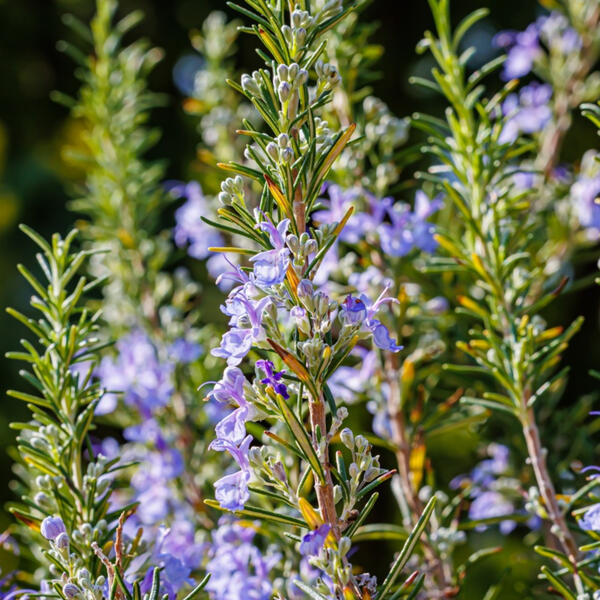
Rosemary essential oil is steam distilled from the leaves of the rosemary plant (Salvia rosmarinus), an aromatic evergreen shrub native to the Mediterranean region that has been cultivated for thousands of years. Historically, rosemary was treasured by the ancient Greeks, Romans, and Egyptians for its fragrant aroma and was commonly used in ceremonies, culinary traditions, and herbal practices. Silver Botanicals' utilizes rosemary essential oil in many of its all-natural products, where it is valued for its fresh, herbaceous scent, invigorating sensory experience, and health and environmental benefits.
- INCI name: Rosmarinus Officinalis Leaf Oil
- Ingredient type: Essential Oil
- Method(s) of extraction or purification: Steam-distilled from flowering tops and leaves
- Parts used: Leaves and flowering tops
- Aroma: Fresh, herbaceous, camphoraceous, slightly woody, and invigorating.
- Key constituents: 1, 8-Cineole, camphor, alpha-pinene, borneol, verbenone
- Native region(s): Mediterranean Basin
Interesting Fact(s): Students in ancient Greece are said to have worn rosemary garlands while studying because the herb symbolized memory.
Rosewood Essential Oil
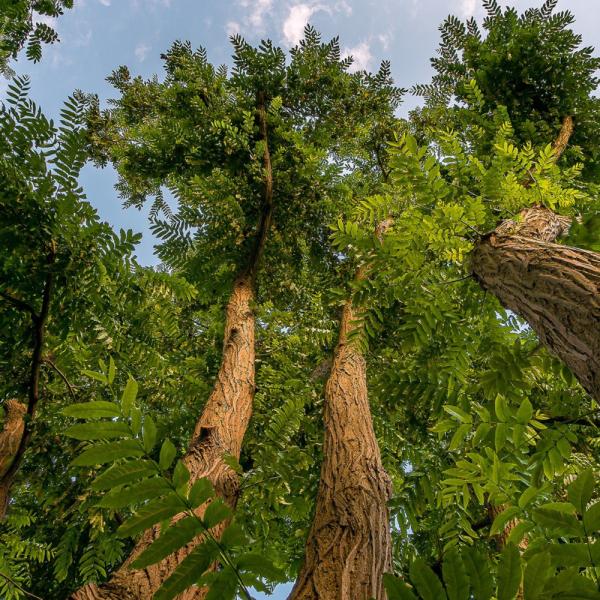
Rosewood essential oil is steam distilled from the wood of the rosewood tree (Aniba rosaeodora), a tropical species native to the Amazon rainforest. Historically, rosewood became highly sought after for fine woodworking and perfumery, with its essential oil gaining prominence in the early 20th century for its delicate floral-woody fragrance. Indigenous peoples of the Amazon traditionally used rosewood for wound care, fevers, muscle aches, and respiratory complaints, while its fragrant wood was also valued in medicinal preparations. Rosewood essential oil is used in many of Silver Botanicals' all-natural formulations, where it is appreciated for its soft, rosy, woody aroma and distinctive botanical heritage. Because natural rosewood populations have declined, Silver Botanicals now source rosewood essential oil from sustainably managed plantations or use responsibly produced alternatives.
- INCI name: Aniba Rosaeodora Wood Oil
- Ingredient type: Essential Oil
- Method(s) of extraction or purification: Steam-distilled from the heartwood
- Parts used: Heartwood
- Aroma: Soft, sweet, floral, woody, and slightly rosy with gentle spice notes
- Key constituents: Linalool, alpha-terpineol, geraniol, nerol.
- Native region(s): Amazon rainforest of Brazil, Peru, French Guiana, and neighboring regions.
Interesting Fact(s): Rosewood has been prized for centuries in the construction of guitars, pianos, and other musical instruments, and many believe its rich tonal qualities help create music that inspires emotion and reflection.
Pink Grapefruit Essential Oil
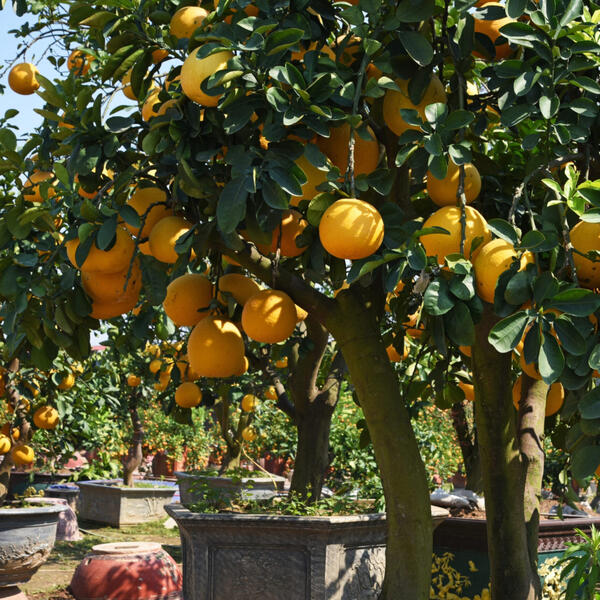
Citrus Paradisi Peel Oil is cold pressed from the peel of the grapefruit (Citrus paradisi), a citrus fruit believed to have originated in the Caribbean in the 18th century as a natural hybrid of sweet orange and pomelo. Historically, grapefruit and other citrus fruits were valued for their refreshing flavor, aromatic oils, and traditional uses in cleansing, culinary practices, and wellness preparations. Today, grapefruit peel oil is widely used in all-natural soaps, lotions, body care products, perfumes, and aromatherapy blends, where it is appreciated for its bright, uplifting citrus aroma and vibrant botanical character.
- INCI name: Citrus Paradisi Peel Oil
- Ingredient type: Essential Oil
- Method(s) of extraction or purification: Cold-pressed
- Parts used: Peel
- Aroma: Fresh, tangy citrus with a distinctive sweet-bitter grapefruit character and an invigorating “juicy” note.
- Key constituents: d-Limonene, alpha-pinene, beta-pinene, sabinene, myrcene, gamma-terpinene, llinalool, alpha-terpineol, citronellal, nootkatone.
- Native region(s): Caribbean/West Indies
Interesting Fact(s): It’s often used in perfumery as a top-note citrus material because its volatile terpenes fade relatively quickly compared with heavier base-note essential oils.
Lecithin (Sunflower)
Sunflower lecithin is a naturally occurring phospholipid extracted from sunflower seeds (Helianthus annuus), a plant native to North America that has been cultivated for centuries and is now grown worldwide. Historically, sunflowers were an important crop for many Indigenous peoples, who used the seeds for food, oil, and other practical purposes, while lecithin became widely utilized as natural extraction methods advanced. Silver Botanicals extensively uses sunflower lecithin its all-natural formulations where it serves as a natural emulsifier that helps blend oil- and water-based ingredients into smooth, stable formulations.
- INCI name: Lecithin
- Ingredient type: Emmulsifier
- Method(s) of extraction or purification: Extracted from seeds
- Parts used: Seeds
- Key constituents: A mixture of phospholipids (notably phosphatidylcholine) plus other minor constituents such as triglycerides and other accompanying fractions.
- Native region(s): North America
Interesting Fact(s): Sunflower lecithin is commonly used as a non-soy lecithin option for emulsification, and it’s produced as a byproduct of sunflower oil processing.
Bay Leaf Essential Oil
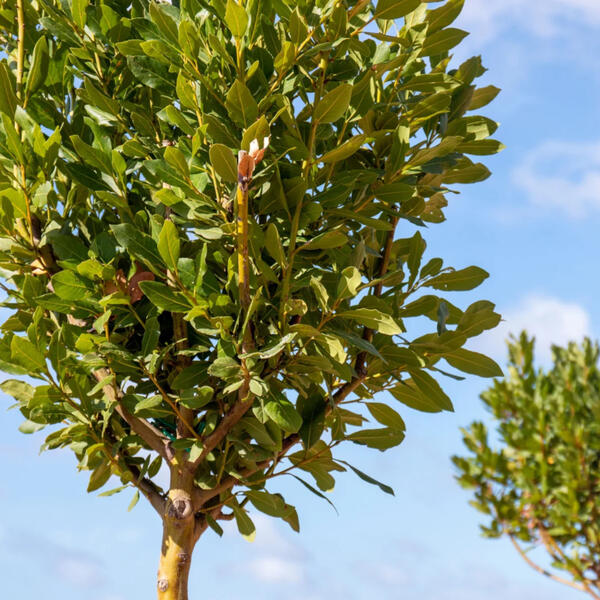
Bay leaf essential oil is steam distilled from the leaves of the bay laurel tree (Laurus nobilis), an evergreen native to the Mediterranean region that has been cultivated since ancient times. Historically, bay laurel was revered by the ancient Greeks and Romans as a symbol of honor and victory, while its aromatic leaves were widely used bay leaves to relieve digestive disorders, joint pain, respiratory ailments, and muscular discomfort. Silver Botanicals goes to great step to procure authentic bay leaf essential oil for use in its all-natural essential oil blends used in our deodorants where it is appreciated for its warm, spicy, herbaceous aroma and enduring Mediterranean botanical heritage.
- INCI name: Laurus Nobilis Oil
- Ingredient type: Essential Oil
- Method(s) of extraction or purification: Steam-distilled from leaves
- Parts used: Leaves
- Aroma: Herbal, slightly floral, and aromatic/“leafy” with a clean, medicinal edge
- Key constituents: Eugenol, myrcene, chavicol, linalool, limonene
- Native region(s): Asia Minor/Mediterranean region
Interesting Fact(s): “Bay laurel” is frequently confused with other related oils, but leaf distillation from Laurus nobilis gives a different oil profile than, for example, Pimenta racemosa (bay/bay rum oil) even though the names sound similar.
Sage Essential Oil
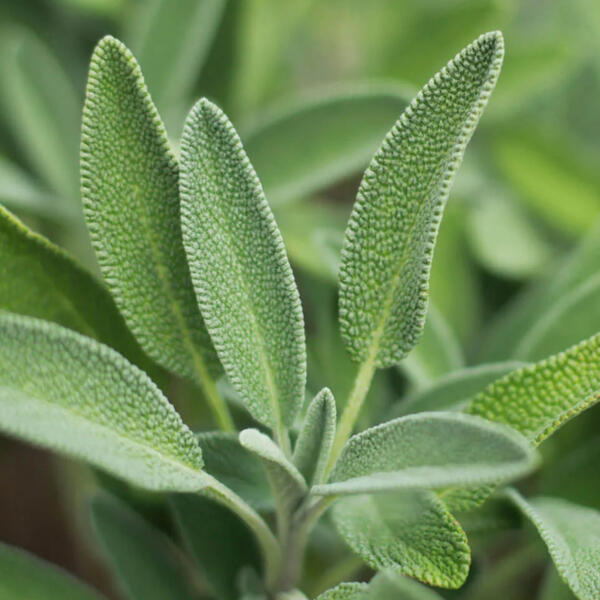
Sage essential oil is steam distilled from the leaves of the common sage plant (Salvia officinalis), an aromatic herb native to the Mediterranean region that has been cultivated for more than 2,000 years. Historically, sage was used in European and Mediterranean herbal medicine to soothe sore throats, improve digestion, enhance memory, reduce excessive perspiration, and support women's health. becoming one of the most respected herbs in Mediterranean culture. Sage essential oil is included in several of Silver Botanicals' all-natural products where it is appreciated for its warm, herbaceous aroma and health benefits.
- INCI name: Salvia officinalis
- Ingredient type: Essential Oil
- Method(s) of extraction or purification: Steam-distilled from leaves and flowering tops
- Parts used: Leaves and flowering tops
- Aroma: Herbaceous, earthy, camphoraceous, and slightly spicy
- Key constituents: Thujone, camphor, borneol, camphene, and 1, 8-cineole
- Native region(s): Mediterranean region
Interesting Fact(s): The Latin name Salvia comes from salvare, meaning "to save" or "to heal."
Geranium Essential Oil
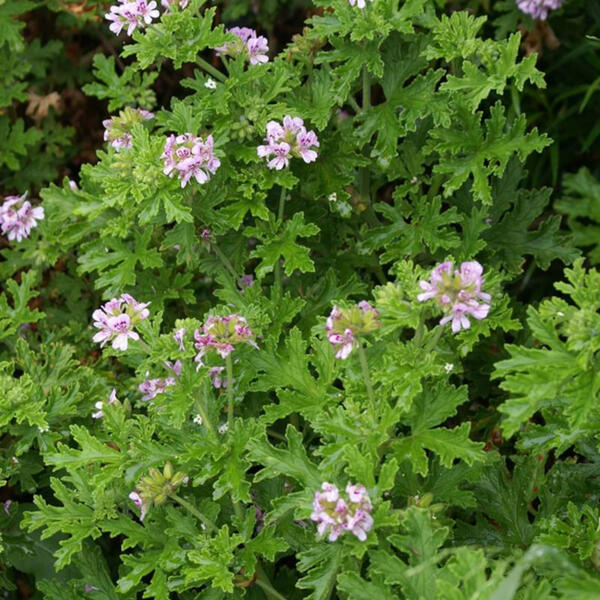
Geranium essential oil is steam distilled from the leaves and flowers of the rose geranium (Pelargonium graveolens), a fragrant plant native to South Africa that has been cultivated around the world since the 17th century. Traditional African and European herbalists used geranium to help treat skin disorders, minor wounds, infections, and digestive complaints. Geranium essential oil is widely used in Silver Botanicals' all-natural products, where it is appreciated for its fresh, floral scent, skin-supporting properties and enduring botanical heritage.
- INCI name: Pelargonium Graveolens Oil
- Ingredient type: Essential Oil
- Method(s) of extraction or purification: Steam-distilled from the leaves and stems.
- Parts used: Leaves and stems
- Aroma: Fresh, rosy, green, lightly minty, and slightly citrus-like.
- Key constituents: Citronellol, geraniol, linalool, citronellyl formate, isomenthone.
- Native region(s): South Africa
Interesting Fact(s): Geranium oil is frequently used as a natural substitute or complement to rose oil because of its similar floral profile.
Geranium Bourbon Essential Oil
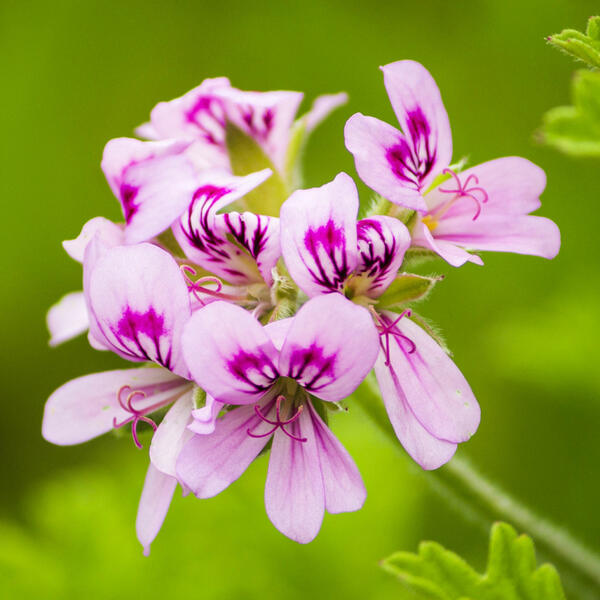
Geranium Bourbon essential oil is steam distilled from the leaves and flowers of the Bourbon variety of rose geranium (Pelargonium graveolens), cultivated primarily on Réunion Island, formerly known as Île Bourbon, in the Indian Ocean. Geranium Bourbon was traditionally valued for soothing skin irritations, supporting wound care, and promoting emotional well-being through its fragrance. Today, Silver Botanicals goes to great lengths to properly source and use geranium bourbon essential oil in particular all-natural formulations where it is valued for its soft, rose-like fragrance, premium botanical quality, and unique home and health benefits.
- INCI name: Pelargonium Graveolens Oil
- Ingredient type: Essential Oil
- Method(s) of extraction or purification: Steam-distilled from leaves and stems.
- Parts used: Leaves and stems
- Aroma: Rich, rosy, sweet, green, and slightly minty.
- Key constituents: Citronellol, geraniol, linalool, citronellyl formate.
- Native region(s): Originally South Africa; Bourbon geranium is primarily cultivated on Réunion Island.
Interesting Fact(s): Bourbon geranium is often considered one of the finest geranium oils because of its exceptionally balanced rosy fragrance.
Zinc Oxide
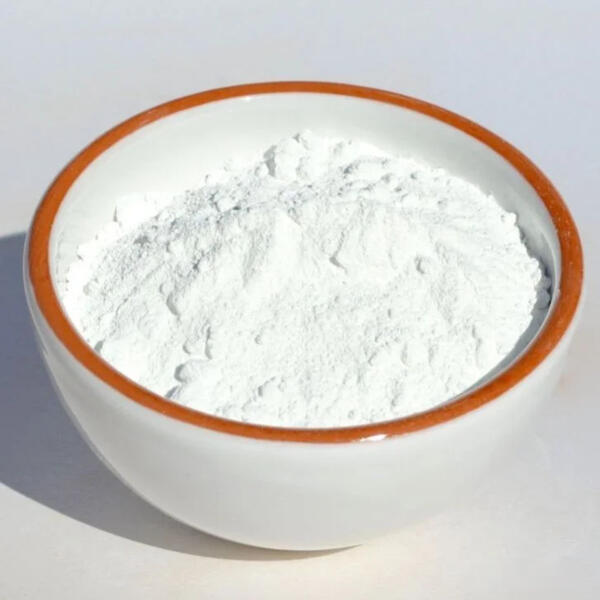
Zinc oxide is a naturally occurring mineral compound derived from zinc, an essential element found throughout the Earth, and it has been used in various forms for thousands of years. Historically, zinc-containing minerals were valued by ancient civilizations for pigments, ointments, and practical applications, with zinc oxide becoming more widely produced through refining methods developed over time. Zinc oxide is used in all of Silver Botanicals' all-natural deodorants where it is appreciated as a mineral-based ingredient that contributes to effective deodorizing formulations.
- INCI name: Zinc Oxide
- Ingredient type: Inorganic mineral; physical UV filter / skin protectant
- Key constituents: Zinc Oxide (ZnO)
Interesting Fact(s): Zinc oxide is a “physical” UV filter that sits on the skin surface to reflect/scatter UV rather than absorbing it like many chemical filters
Colloidal Silver
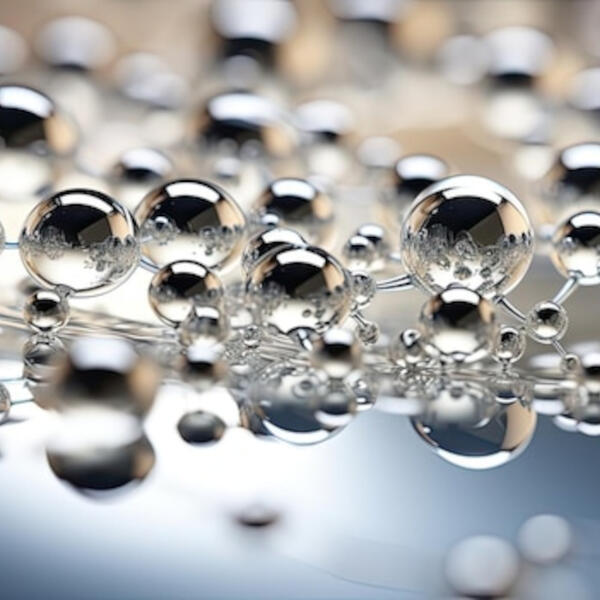
Colloidal silver is made by dispersing microscopic particles of silver in purified water, building on the long history of silver as a naturally occurring element that has been valued by civilizations around the world for thousands of years. Historically, silver was used in ancient Egypt, Greece, Rome, and other cultures in vessels, utensils, and various traditional preparations because of its durability, value, and perceived ability to protect ones health. Colloidal silver is a cornerstone to all of Silver Botanicals' formulations, being featured in all of our all-natural, personal and household care products.
- INCI name: Colloidal Silver
- Ingredient type: colloid
- Key constituents: Nanosilver particles
Interesting Fact(s): In some cultures, silver is treated like a “protector” material. Beyond modern explanations, silver’s historical reputation for cleanliness and preservation fed into beliefs about warding off illness or decay. For example, silver was used for drinking vessels to reduce spoilage of stored liquids.

Sensitive Skin Formula
Our Sensitive Skin Formula was developed for our customers who may find our Original Formula a bit irritating. This formula's milder properties (with respect to the Original Formula) are due to a reduction in the essential oil blend concentration, the removal of some of the potentially irritating oils found in the original formula (e.g. cedarwood & bay oil), and a reduction in its alkalinity. Currently, this formula is our most lightly scented formula and the scent typically dissipates within minutes after application. Our sensitive skin formulas are initially recommended for individuals who shave under the arms and/or are transitioning from aluminum-based/conventional antiperspirants/deodorants.
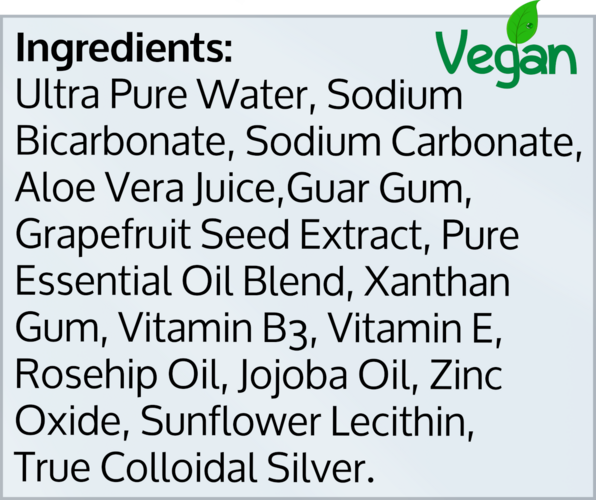
Sensitive Skin Formula Ingredients Panel
See Details For Individual Ingredients
Ultra Pure Water
Ultra pure water begins as naturally sourced water that undergoes advanced purification to remove minerals and impurities, creating an exceptionally clean ingredient. Throughout history, clean water has been essential in the preparation of soaps, herbal remedies, cosmetics, and other personal care products, with purification methods evolving as technology advanced. Today, ultra pure water is the foundation of Silver Botanicals' formulations, providing a clean, consistent base that supports product quality, stability, and performance.
- INCI name: Water
- Ingredient type: Solvent
- Method(s) of extraction or purification: Particulate Filtration, Activated Carbon Filtration, Reverse Osmosis Filtration, Ion Exchange Polishing, UV Disinfection
Interesting Fact(s): Ultra Pure Water is among the cleanest forms of water used in industry, with impurities such as dissolved minerals, organic compounds, microorganisms, and trace contaminants removed to extremely low levels. It is commonly used in high-precision industries such as semiconductor manufacturing, pharmaceuticals, and laboratory research.
Sodium Bicarbonate
Sodium bicarbonate, commonly known as baking soda, is a naturally occurring mineral compound found in mineral springs and natural deposits, with its use dating back to ancient civilizations that relied on naturally alkaline minerals for personal and household cleansing purposes. Historically, it was valued for its versatility in cooking, cleaning, and personal care, becoming a staple ingredient in homes around the world. Today, Silver Botanicals uses sodium bicarbonate is its all-natural products, where it serves as a gentle cleanser, deodorizer, and pH-balancing ingredient.
- INCI name: Sodium Bicarbonate
- Ingredient type: pH Aduster,deodorizer,cleanser
- Method(s) of extraction or purification: Solvay process
Interesting Fact(s): Sodium bicarbonate is an odor neutralizer (not just a deodorizer): sodium bicarbonate can help reduce “smell-causing” acidity/odor compounds—why it’s common in deodorant and foot-related products.
Sodium Carbonate
Sodium carbonate, commonly known as washing soda or soda ash, is a white, odorless, water-soluble salt used in many modern applications. Historically, it was extracted from the ashes of plants grown in sodium-rich soils, and because the ashes of these sodium-rich plants were noticeably different from ashes of wood, sodium carbonate became known as "soda ash". Silver Botanicals' uses sodium carbonate as an all-natural, ph-adjuster in many of its formulations.
- INCI name: Sodium Carbonate
- Ingredient type: Mineral Salt,pH Aduster
- Method(s) of extraction or purification: Solvay process
Interesting Fact(s): Sodium Carbonate, also known as Natron, was one of the earliest naturally occurring cleaning agents used by civilization.
Aloe Vera Juice
Aloe vera is associated with hot, arid regions of North Africa and the Arabian Peninsula, where aloe has long been grown and naturalized in many places. Historically, aloe gel/leaf preparations were used topically across ancient Mediterranean and neighboring cultures for soothing skin and supporting comfort after irritations, and it also appeared in traditional herbal medicine as a broader “skin remedy.” Over time, aloe became especially known for its cooling, calming reputation—less about fragrance and more about a soothing, comfort-first use. Today, aloe vera juice is valued in several of Silver Botanicals' formulas for delivering a light, refreshing feel while supporting hydration and “soothing” type benefits.
- INCI name: Aloe Barbadensis Leaf Juice
- Ingredient type: Botanical Juice
- Parts used: Leaves
- Aroma: Very mild, fresh, green, and slightly vegetal.
- Key constituents: olysaccharides (including acemannan), amino acids, vitamins A, C, and E (naturally occurring in small amounts), enzymes, minerals, and trace phytosterols.
- Native region(s): Arabian Peninsula; now cultivated throughout tropical and subtropical regions worldwide.
Interesting Fact(s): Ancient Egyptian writings referred to aloe as the "plant of immortality," and it was reportedly included among the burial offerings of pharaohs.
Guar Gum
Guar gum is a naturally derived plant gum made from the seeds of the guar plant (Cyamopsis tetragonoloba), a legume native to India and Pakistan that has been cultivated for centuries. Traditionally, guar beans were consumed in India as a nutritious food and were also used to support digestive health because of their natural fiber content. Today, Silver Botanicals uses guar gum in its deodorant products where it functions as a plant-based thickener and stabilizer to create smooth, consistent formulations.
- INCI name: Cyamopsis Tetragonoloba Gum
- Ingredient type: Natural Thickener
- Parts used: Ground endosperm of guar beans
- Key constituents: Galactomannan polysaccharides.
- Native region(s): India and Pakistan.
Interesting Fact(s): Guar gum can thicken water at concentrations below one percent.
Grapefruit Seed Extract
Grapefruit seed extract is derived from the seeds and pulp of the grapefruit (Citrus × paradisi), a citrus fruit that originated in the Caribbean during the 18th century as a natural hybrid between the pomelo and sweet orange. Historically, grapefruit was cultivated primarily for its flavorful fruit, while extracts from its seeds and pulp became more widely developed for commercial use during the late 20th century. Today, Silver Botanicals utilizes grapefruit seed extract in a variety of its all-natural personal care products, where it is valued as a naturally derived botanical ingredient.
- INCI name: Citrus Grandis Seed Extract
- Ingredient type: Botanical Extract
- Method(s) of extraction or purification: Extracted from grapefruit seeds and pulp.
- Parts used: Seeds and pulp
- Aroma: Mildly citrusy with subtle bitter notes.
- Key constituents: Flavonoids, limonoids, vitamin C (trace), polyphenols.
- Native region(s): Grapefruit originated in the Caribbean as a natural citrus hybrid.
Interesting Fact(s): Some commercial grapefruit seed extracts contain added preservation compounds, making ingredient sourcing especially important.
Xanthan Gum
Xanthan gum is a naturally derived polysaccharide produced through the fermentation of plant-based sugars, a process discovered in the mid-20th century that utilizes naturally occurring microorganisms. Historically, fermentation has been used for thousands of years to create foods, beverages, and useful natural materials, with xanthan gum becoming an important innovation in modern food and personal care production. Today, xanthan gum is used in many of Silver Botanicals' all-natural formulations, where it acts as a natural thickener and stabilizer to create smooth, consistent formulations.
- INCI name: Xanthan Gum
- Ingredient type: Polysaccharide; thickener and stabilizer (viscosity modifier; suspension stabilizer)
- Method(s) of extraction or purification: Produced by microbial fermentation using Xanthomonas campestris
- Key constituents: A high–molecular-weight polysaccharide composed of repeat units containing glucose, mannose, glucuronic acid, and side-chain acetyl/pyruvyl substitutions
Interesting Fact(s): It’s an anionic polysaccharide and is noted for stabilizing emulsions and suspensions across a broad pH/temperature range
Jojoba Oil
Jojoba oil is a liquid plant wax pressed from the seeds of the jojoba shrub (Simmondsia chinensis), a desert plant native to the southwestern United States and northern Mexico that has thrived in arid climates for thousands of years. Indigenous peoples of the Sonoran Desert traditionally applied jojoba oil to wounds, burns, dry skin, and scalp conditions while also using it to condition hair. Today, Silver Botanicals' uses jojoba oil is in its all-natural deodorants and bath additive, where it is appreciated for its lightweight feel, plant-based origin, and excellent moisturizing and skin-protecting properties.
- INCI name: Simmondsia Chinensis Seed Oil
- Ingredient type: Carrier Oil (Liquid Wax Ester)
- Method(s) of extraction or purification: Cold-pressed
- Parts used: Seeds
- Aroma: Mild, clean, slightly nutty, and earthy.
- Key constituents: Wax esters, eicosenoic acid, erucic acid, tocopherols.
- Native region(s): Southwestern United States and northern Mexico.
Interesting Fact(s): Jojoba oil is technically a liquid wax rather than a true vegetable oil.
Niacinamide
Niacinamide, a form of vitamin B3, is a naturally occurring nutrient found in foods such as whole grains, legumes, nuts, and mushrooms, and it was first identified by scientists in the early 20th century during vitamin research. Historically, vitamin B3 was recognized as an essential nutrient, leading to its widespread use in nutritional and personal care formulations as scientific understanding advanced. Today, niacinamide is used in many of Silver Botanicals' all-natural skin care products where it is valued as a nature vitamin that supports the normal skin-barrier function.
- INCI name: Niacinamide (Vitamin B3)
- Ingredient type: Vitamin
- Method(s) of extraction or purification: fermentation, catalytic amidation, oxidation & hydration steps
Interesting Fact(s): Niacinamide is naturally found in many foods – It occurs naturally in foods such as mushrooms, peanuts, whole grains, legumes, and meat, and its compatibility with skin has made it one of the most widely used vitamin-based ingredients in modern personal care formulations.
Vitamin E
Vitamin E is a naturally occurring antioxidant found in plant oils, nuts, seeds, and leafy green vegetables, and it was first identified by scientists in the early 20th century while studying nutrients essential to healthy plant and animal life. Historically, vitamin E has been obtained from nutrient-rich plant sources, particularly vegetable oils, and has long been valued as a naturally occurring component of botanical ingredients. Today, naturally sourced vitamin E is used in many of Silver Botanicals' all-natural products, where it helps support product stability while serving as a skin-protecting, plant-derived ingredient.
- INCI name: Tocopherol (vitamin E)
- Ingredient type: Fat-soluble antioxidant; vitamin
- Aroma: Usually neutral/mild (can vary slightly by form and grade; often described as having a faint oil-like character)
- Key constituents: Alpha-, beta-, gamma-, and delta-tocopherols.
Interesting Fact(s): Vitamin E is a powerful oil-soluble antioxidant used in skincare because it helps protect oils from oxidation. In personal care products, it is commonly added not only for its skin-conditioning properties but also to help stabilize natural oils such as jojoba, rosehip, and sunflower oils, extending the shelf life of oil-based formulations.
Lime Essential Oil
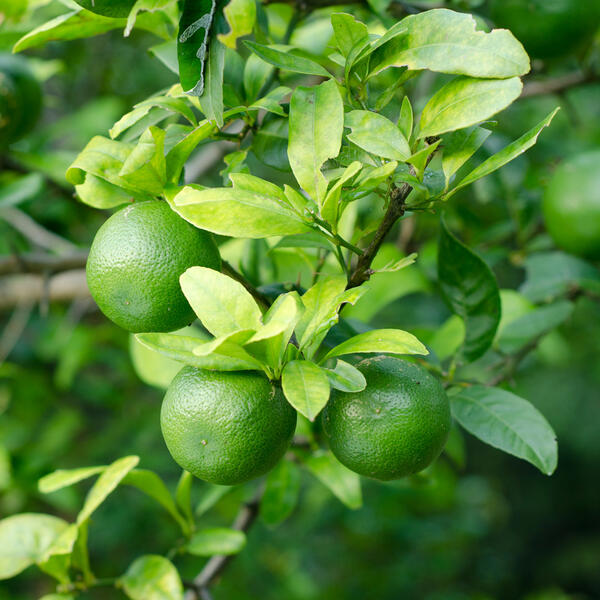
Lime essential oil is cold pressed or steam distilled from the peel of the lime (Citrus aurantiifolia), a citrus fruit believed to have originated in Southeast Asia before spreading throughout the Middle East, the Mediterranean, and the Americas through ancient trade. Traditional Chinese, Egyptian, Greek, and Ayurvedic medicine used licorice root to soothe coughs, relieve sore throats, support digestion, and treat a variety of respiratory ailments. Lime essential oil is used in many of Silver Botanicals' all-natural soaps, deodorants, and toothpastes where it is appreciated for its fresh, bright citrus aroma and lively botanical character.
- INCI name: Citrus Aurantifolia (Lime) Oil
- Ingredient type: Essential Oil
- Method(s) of extraction or purification: Steam-distilled from peel
- Parts used: Fruit Peel
- Aroma: Bright, tart, juicy, crisp and refreshing
- Key constituents: Limonene, citral, gamma-terpinene, beta-pinene
- Native region(s): Southeast/South Asia
Interesting Fact(s): Cold-pressed/expressed lime peel oil contains furanocoumarins (phototoxic compounds), while steam-distilled lime oil is commonly described as furanocoumarin-free (so it’s generally treated as much less phototoxic).
Cypress Essential Oil
Cypress essential oil is steam distilled from the needles and twigs of the Mediterranean cypress (Cupressus sempervirens), an evergreen tree native to southern Europe and western Asia that has been cultivated for thousands of years. Mediterranean herbal traditions used cypress to support circulation, reduce excessive perspiration, and ease respiratory discomfort. Cypress essential oil is used in Silver Botanicals' all-natural deodorants where it is valued for its fresh, woody aroma and assisting in normalizing skin function.
- INCI name: Cupressus Sempervirens Leaf/Nut/Stem Oil
- Ingredient type: Essential Oil
- Method(s) of extraction or purification: steam distillation
- Parts used: Needles, twigs, and cones
- Aroma: Clean, woody, fresh, evergreen, and slightly smoky
- Key constituents: alpha-Pinene, delta-3-carene, limonene, cedrol.
- Native region(s): Mediterranean Basin
Interesting Fact(s): Cypress wood is naturally resistant to decay, allowing some ancient structures and artifacts made from it to survive for centuries.
Rosehip Oil
Rosehip oil is a natural oil extracted from the seeds of the rosehip fruit. It is rich in vitamins A, C, and E, as well as essential fatty acids, making it beneficial for skin health, including moisturizing, reducing scars, and improving signs of aging. Its use dates back to ancient civilizations, including the Egyptians, who utilized it for skin care, and it gained popularity in the 1980s for its skin regeneration properties. Silver Botanicals' uses it in our deodorant formulation to help protect and provide for healthy skin.
- INCI name: Rosa Canina Seed Oil
- Ingredient type: Carrier Oil
- Method(s) of extraction or purification: Cold-pressed
- Parts used: Seeds
- Aroma: Mild, earthy, and slightly nutty
- Key constituents: Linoleic acid, alpha-linolenic acid, oleic acid, tocopherols, carotenoids.
- Native region(s): Europe, South America, and parts of Asia
Interesting Fact(s): Rosehips naturally contain vitamin C, although the oil itself contains very little because vitamin C is water-soluble.
Rosemary Essential Oil
Rosemary essential oil is steam distilled from the leaves of the rosemary plant (Salvia rosmarinus), an aromatic evergreen shrub native to the Mediterranean region that has been cultivated for thousands of years. Historically, rosemary was treasured by the ancient Greeks, Romans, and Egyptians for its fragrant aroma and was commonly used in ceremonies, culinary traditions, and herbal practices. Silver Botanicals' utilizes rosemary essential oil in many of its all-natural products, where it is valued for its fresh, herbaceous scent, invigorating sensory experience, and health and environmental benefits.
- INCI name: Rosmarinus Officinalis Leaf Oil
- Ingredient type: Essential Oil
- Method(s) of extraction or purification: Steam-distilled from flowering tops and leaves
- Parts used: Leaves and flowering tops
- Aroma: Fresh, herbaceous, camphoraceous, slightly woody, and invigorating.
- Key constituents: 1, 8-Cineole, camphor, alpha-pinene, borneol, verbenone
- Native region(s): Mediterranean Basin
Interesting Fact(s): Students in ancient Greece are said to have worn rosemary garlands while studying because the herb symbolized memory.
Tea Tree Essential Oil
Tea tree oil, also called melaleuca oil, is a fragrant essential oil produced by steaming the leaves of the Australian tea tree (Melaleuca alternifolia). Long before Western medicine, Aboriginal Australians used crushed leaves and leaf infusions to help with skin issues, suggesting early discovery of its practical effects. In later centuries, European naturalists and researchers became aware of the plant’s medicinal potential, leading to systematic study and eventual commercial distillation. Silver Botanicals' utilizes tea tree oil in many of its products for many beneficial health and environmental effects.
- INCI name: Melaleuca Alternifolia (Tea Tree) Leaf Oil
- Ingredient type: Essential Oil
- Method(s) of extraction or purification: Steam-distilled from the leaves
- Parts used: leaves
- Aroma: Sharp, fresh, medicinal, camphoraceous, and distinctly herbal
- Key constituents: Terpinen-4-ol, gamma-terpinene, alpha-terpinene, 1, 8-cineole, alpha-pinene.
- Native region(s): New South Wales and Queensland, Australia
Interesting Fact(s): Tea tree oil is one of the most extensively researched essential oils used in natural personal care.
French Lavender Essentail Oil
French lavender essential oil is steam distilled from the flowering tops of Lavandula angustifolia, a species native to the Mediterranean region that has been cultivated in France for centuries, particularly in Provence. Ancient Mediterranean cultures used lavender to promote restful sleep, relieve anxiety, soothe burns, and cleanse wounds.Today, Silver Botanicals' uses french lavender essential oil in several of its all-natural formulations, where it is appreciated for its soft, floral aroma and timeless botanical heritage.
- INCI name: Lavandula Angustifolia Oil
- Ingredient type: Essential Oil
- Method(s) of extraction or purification: Steam-distilled from flowering tops.
- Parts used: Flowers
- Key constituents: Linalool, linalyl acetate, lavandulol, terpinen-4-ol.
- Native region(s): France and the Mediterranean region.
Interesting Fact(s): One of the most versatile essential oils, blending well with nearly every fragrance family.
Frankincense Essential Oil
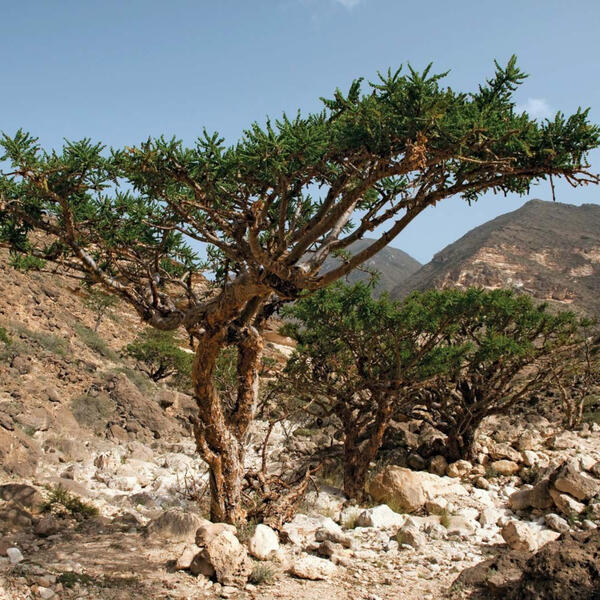
Frankincense essential oil is steam distilled from the aromatic resin of Boswellia trees, which are native to the arid regions of northeastern Africa and the Arabian Peninsula and have been harvested for more than 5,000 years. In the Bible, it is one of the gifts brought by the Magi to the infant Jesus (Matthew2:11), symbolizing divinity, and a key ingredient in the sacred Temple incense (ketoret) as described in Exodus 30:34.For thousands of years, frankincense was used in Egyptian, Ayurvedic, and Middle Eastern medicine for wounds, inflammation, respiratory conditions, and oral health. Frankincense essential oil is used in several of Silver Botanicals' products where it is appreciated for its rich, resinous aroma, time-honored luxury, and enduring botanical heritage benefiting health and home.
- INCI name: Boswellia Carterii Oil
- Ingredient type: Essential Oil
- Method(s) of extraction or purification: Steam-distilled from tree resin.
- Parts used: Resin
- Aroma: Warm, woody, balsamic, resinous, and lightly citrusy.
- Key constituents: alpha-Pinene, limonene, incensole acetate, beta-caryophyllene.
- Native region(s): Oman, Somalia, Ethiopia, and Yemen.
Interesting Fact(s): Ancient civilizations valued frankincense so highly that it was often traded at prices comparable to precious metals.
Vanilla Extract
Vanilla extract is derived from the cured pods of the vanilla orchid (Vanilla planifolia), a tropical orchid native to Mexico that has been cultivated and treasured for centuries. Historically, the Totonac and Aztec peoples used vanilla in traditional preparations as a digestive aid, restorative tonic, and aromatic ingredient believed to promote well-being. Vanilla extract is used in several of Silver Botanicals' all-natural products, where it is appreciated for its warm, sweet aroma and rich botanical heritage.
- INCI name: Vanilla Planifolia Fruit Extract
- Ingredient type: Botanical Extract
- Method(s) of extraction or purification: Alcohol extraction of cured seed pods
- Parts used: Fruit (seed pods)
- Aroma: Warm, rich, sweet, classic vanilla scent.
- Key constituents: Vanillin, vanillic acid, and aromatic phenolic compounds
- Native region(s): Mexico; now widely cultivated in Madagascar and other tropical regions.
Interesting Fact(s): Each vanilla flower blooms for just one day and must be pollinated during that short window.
Sage Essential Oil
Sage essential oil is steam distilled from the leaves of the common sage plant (Salvia officinalis), an aromatic herb native to the Mediterranean region that has been cultivated for more than 2,000 years. Historically, sage was used in European and Mediterranean herbal medicine to soothe sore throats, improve digestion, enhance memory, reduce excessive perspiration, and support women's health. becoming one of the most respected herbs in Mediterranean culture. Sage essential oil is included in several of Silver Botanicals' all-natural products where it is appreciated for its warm, herbaceous aroma and health benefits.
- INCI name: Salvia officinalis
- Ingredient type: Essential Oil
- Method(s) of extraction or purification: Steam-distilled from leaves and flowering tops
- Parts used: Leaves and flowering tops
- Aroma: Herbaceous, earthy, camphoraceous, and slightly spicy
- Key constituents: Thujone, camphor, borneol, camphene, and 1, 8-cineole
- Native region(s): Mediterranean region
Interesting Fact(s): The Latin name Salvia comes from salvare, meaning "to save" or "to heal."
Palmarosa Essential Oil
Palmarosa essential oil is steam distilled from the leaves of the palmarosa grass (Cymbopogon martinii), a fragrant plant native to India and other parts of South Asia that has been cultivated for centuries. Historically, palmarosa was valued in traditional Indian botanical practices and later became an important ingredient in perfumery because of its naturally sweet, rose-like fragrance. Traditional Indian herbalists used palmarosa to help care for skin conditions, reduce fevers, support digestion, and promote general wellness. Silver Botanicals uses palmarosa essential oil in its floral deodorant where it is appreciated for its delicate floral aroma and rich botanical heritage.
- INCI name: Cymbopogon Martinii Oil
- Ingredient type: Essential Oil
- Method(s) of extraction or purification: Steam-distilled from flowering grass
- Parts used: Leaves and flowering tops
- Aroma: Sweet, rosy, grassy, and lightly citrusy
- Key constituents: Geraniol, geranyl acetate, linalool
- Native region(s): India and Southeast Asia
Interesting Fact(s): Despite its rose-like aroma, palmarosa is actually a tropical grass closely related to lemongrass.
Rosewood Essential Oil
Rosewood essential oil is steam distilled from the wood of the rosewood tree (Aniba rosaeodora), a tropical species native to the Amazon rainforest. Historically, rosewood became highly sought after for fine woodworking and perfumery, with its essential oil gaining prominence in the early 20th century for its delicate floral-woody fragrance. Indigenous peoples of the Amazon traditionally used rosewood for wound care, fevers, muscle aches, and respiratory complaints, while its fragrant wood was also valued in medicinal preparations. Rosewood essential oil is used in many of Silver Botanicals' all-natural formulations, where it is appreciated for its soft, rosy, woody aroma and distinctive botanical heritage. Because natural rosewood populations have declined, Silver Botanicals now source rosewood essential oil from sustainably managed plantations or use responsibly produced alternatives.
- INCI name: Aniba Rosaeodora Wood Oil
- Ingredient type: Essential Oil
- Method(s) of extraction or purification: Steam-distilled from the heartwood
- Parts used: Heartwood
- Aroma: Soft, sweet, floral, woody, and slightly rosy with gentle spice notes
- Key constituents: Linalool, alpha-terpineol, geraniol, nerol.
- Native region(s): Amazon rainforest of Brazil, Peru, French Guiana, and neighboring regions.
Interesting Fact(s): Rosewood has been prized for centuries in the construction of guitars, pianos, and other musical instruments, and many believe its rich tonal qualities help create music that inspires emotion and reflection.
Lecithin (Sunflower)
Sunflower lecithin is a naturally occurring phospholipid extracted from sunflower seeds (Helianthus annuus), a plant native to North America that has been cultivated for centuries and is now grown worldwide. Historically, sunflowers were an important crop for many Indigenous peoples, who used the seeds for food, oil, and other practical purposes, while lecithin became widely utilized as natural extraction methods advanced. Silver Botanicals extensively uses sunflower lecithin its all-natural formulations where it serves as a natural emulsifier that helps blend oil- and water-based ingredients into smooth, stable formulations.
- INCI name: Lecithin
- Ingredient type: Emmulsifier
- Method(s) of extraction or purification: Extracted from seeds
- Parts used: Seeds
- Key constituents: A mixture of phospholipids (notably phosphatidylcholine) plus other minor constituents such as triglycerides and other accompanying fractions.
- Native region(s): North America
Interesting Fact(s): Sunflower lecithin is commonly used as a non-soy lecithin option for emulsification, and it’s produced as a byproduct of sunflower oil processing.
Geranium Bourbon Essential Oil
Geranium Bourbon essential oil is steam distilled from the leaves and flowers of the Bourbon variety of rose geranium (Pelargonium graveolens), cultivated primarily on Réunion Island, formerly known as Île Bourbon, in the Indian Ocean. Geranium Bourbon was traditionally valued for soothing skin irritations, supporting wound care, and promoting emotional well-being through its fragrance. Today, Silver Botanicals goes to great lengths to properly source and use geranium bourbon essential oil in particular all-natural formulations where it is valued for its soft, rose-like fragrance, premium botanical quality, and unique home and health benefits.
- INCI name: Pelargonium Graveolens Oil
- Ingredient type: Essential Oil
- Method(s) of extraction or purification: Steam-distilled from leaves and stems.
- Parts used: Leaves and stems
- Aroma: Rich, rosy, sweet, green, and slightly minty.
- Key constituents: Citronellol, geraniol, linalool, citronellyl formate.
- Native region(s): Originally South Africa; Bourbon geranium is primarily cultivated on Réunion Island.
Interesting Fact(s): Bourbon geranium is often considered one of the finest geranium oils because of its exceptionally balanced rosy fragrance.
Myrtle Essential Oil
Myrtle essential oil is steam distilled from the leaves and twigs of the myrtle plant (Myrtus communis), an evergreen shrub native to the Mediterranean region that has been cultivated for thousands of years. Historically, ancient Egyptians, Greeks, and Romans used myrtle to treat respiratory infections, urinary disorders, wounds, and skin ailments. Silver Botanicals utilizes myrtle essential oil in many of its all-natural products where it is appreciated for its fresh, herbaceous aroma, many health, home, and deodorizing benefits, and enduring Mediterranean botanical heritage.
- INCI name: Myrtus communis Oil
- Ingredient type: Essential Oil
- Method(s) of extraction or purification: Steam-distilled from leaves.
- Parts used: Leaves
- Aroma: Fresh, green, herbaceous, slightly camphoraceous, with soft woody and subtly sweet balsamic notes.
- Key constituents: 1, 8-Cineole (eucalyptol), alpha-pinene, limonene, linalool, myrtenyl acetate, and geranyl acetate.
- Native region(s): Mediterranean region.
Interesting Fact(s): Myrtle (called Hadassah) is one of the plants used in the Feast of the Tabernacles tradition (with Hadassah standing for moral/spiritual qualities), and in Christian symbolism it became associated with purity (the Virgin Mary).
Geranium Essential Oil
Geranium essential oil is steam distilled from the leaves and flowers of the rose geranium (Pelargonium graveolens), a fragrant plant native to South Africa that has been cultivated around the world since the 17th century. Traditional African and European herbalists used geranium to help treat skin disorders, minor wounds, infections, and digestive complaints. Geranium essential oil is widely used in Silver Botanicals' all-natural products, where it is appreciated for its fresh, floral scent, skin-supporting properties and enduring botanical heritage.
- INCI name: Pelargonium Graveolens Oil
- Ingredient type: Essential Oil
- Method(s) of extraction or purification: Steam-distilled from the leaves and stems.
- Parts used: Leaves and stems
- Aroma: Fresh, rosy, green, lightly minty, and slightly citrus-like.
- Key constituents: Citronellol, geraniol, linalool, citronellyl formate, isomenthone.
- Native region(s): South Africa
Interesting Fact(s): Geranium oil is frequently used as a natural substitute or complement to rose oil because of its similar floral profile.
Zinc Oxide
Zinc oxide is a naturally occurring mineral compound derived from zinc, an essential element found throughout the Earth, and it has been used in various forms for thousands of years. Historically, zinc-containing minerals were valued by ancient civilizations for pigments, ointments, and practical applications, with zinc oxide becoming more widely produced through refining methods developed over time. Zinc oxide is used in all of Silver Botanicals' all-natural deodorants where it is appreciated as a mineral-based ingredient that contributes to effective deodorizing formulations.
- INCI name: Zinc Oxide
- Ingredient type: Inorganic mineral; physical UV filter / skin protectant
- Key constituents: Zinc Oxide (ZnO)
Interesting Fact(s): Zinc oxide is a “physical” UV filter that sits on the skin surface to reflect/scatter UV rather than absorbing it like many chemical filters
Cedarwood Atlas Essential Oil
Cedarwood (Atlas) essential oil is steam distilled from the wood of the Atlas cedar (Cedrus atlantica), a majestic evergreen tree native to the Atlas Mountains of Morocco and Algeria. Historically, cedarwood atlas was used in North African and Middle Eastern traditions for skin care, respiratory support, and as a natural insect repellent. Silver Botanicals utilizes cedarwood atlas essential oil in many of its all-natural products where it is appreciated for its warm, woody fragrance, deodorizing properties, and skin & environmental protecting effects.
- INCI name: Cedrus Atlantica Bark Oil
- Ingredient type: Essential Oil
- Method(s) of extraction or purification: steam distillation
- Parts used: Heartwood
- Aroma: Sweet, woody, balsamic, smooth, and slightly resinous.
- Key constituents: Atlantones, himachalenes, cedrol.
- Native region(s): Atlas Mountains of Morocco and Algeria.
Interesting Fact(s): Atlas cedar is one of only a few species considered a "true cedar."
Patchouli Essential Oil
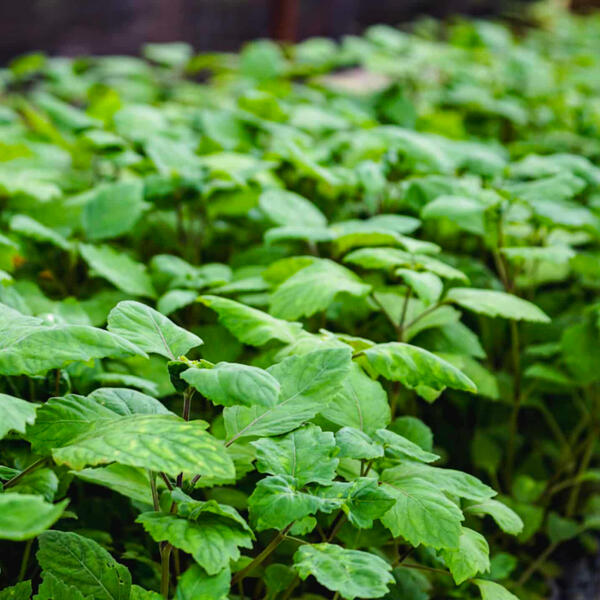
Patchouli essential oil is steam distilled from the leaves of the patchouli plant (Pogostemon cablin), a fragrant herb native to Southeast Asia that has been cultivated for centuries in Indonesia, Malaysia, and surrounding regions. Historically, traditional Asian medicine used patchouli to relieve digestive disorders, nausea, headaches, fevers, skin conditions, and insect bites while also repelling insects. Today, patchouli essential oil is widely used in several of Silver Botanicals' all-natural products, where it is appreciated for its rich, earthy aroma and skin-protecting characteristics.
- INCI name: Pogostemon Cablin Leaf Oil
- Ingredient type: Essential Oil
- Method(s) of extraction or purification: Steam-distilled from dried leaves
- Parts used: Leaves
- Aroma: Rich, earthy, woody, musky, and slightly sweet.
- Key constituents: Patchoulol, alpha-bulnesene, alpha-guaiene, seychellene.
- Native region(s): Southeast Asia
Interesting Fact(s): Historically, genuine cashmere shawls imported into Europe were often scented with patchouli to protect them during shipment.
Colloidal Silver
Colloidal silver is made by dispersing microscopic particles of silver in purified water, building on the long history of silver as a naturally occurring element that has been valued by civilizations around the world for thousands of years. Historically, silver was used in ancient Egypt, Greece, Rome, and other cultures in vessels, utensils, and various traditional preparations because of its durability, value, and perceived ability to protect ones health. Colloidal silver is a cornerstone to all of Silver Botanicals' formulations, being featured in all of our all-natural, personal and household care products.
- INCI name: Colloidal Silver
- Ingredient type: colloid
- Key constituents: Nanosilver particles
Interesting Fact(s): In some cultures, silver is treated like a “protector” material. Beyond modern explanations, silver’s historical reputation for cleanliness and preservation fed into beliefs about warding off illness or decay. For example, silver was used for drinking vessels to reduce spoilage of stored liquids.
Floral Sensitive Skin Formula
Our Sensitive Skin Floral Formula is a variation of our Sensitive Skin Formula. We've added essential oils of Jasmine and Ylang Ylang to provide a wonderfully light floral scent. Jasmine and Ylang Ylang have been treasured for centuries, reputed to enhance spiritual attunement, combat anger, filter negative thoughts, uplift and emotionally balance. As with all of our deodorant formulas, the scent dissipates within minutes after application as there are no perfume fragrances added. Our sensitive skin formulas are initially recommended for individuals who shave under the arms and/or are transitioning from aluminum-based/conventional antiperspirants/deodorants.
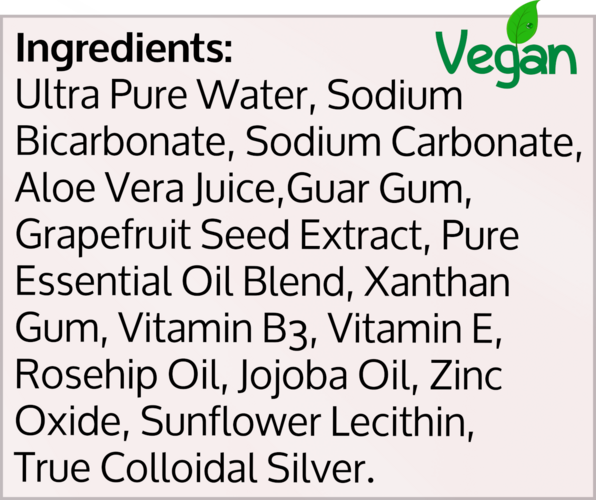
Floral Sensitive Skin Formula Ingredients Panel
See Details For Individual Ingredients
Ultra Pure Water
Ultra pure water begins as naturally sourced water that undergoes advanced purification to remove minerals and impurities, creating an exceptionally clean ingredient. Throughout history, clean water has been essential in the preparation of soaps, herbal remedies, cosmetics, and other personal care products, with purification methods evolving as technology advanced. Today, ultra pure water is the foundation of Silver Botanicals' formulations, providing a clean, consistent base that supports product quality, stability, and performance.
- INCI name: Water
- Ingredient type: Solvent
- Method(s) of extraction or purification: Particulate Filtration, Activated Carbon Filtration, Reverse Osmosis Filtration, Ion Exchange Polishing, UV Disinfection
Interesting Fact(s): Ultra Pure Water is among the cleanest forms of water used in industry, with impurities such as dissolved minerals, organic compounds, microorganisms, and trace contaminants removed to extremely low levels. It is commonly used in high-precision industries such as semiconductor manufacturing, pharmaceuticals, and laboratory research.
Sodium Bicarbonate
Sodium bicarbonate, commonly known as baking soda, is a naturally occurring mineral compound found in mineral springs and natural deposits, with its use dating back to ancient civilizations that relied on naturally alkaline minerals for personal and household cleansing purposes. Historically, it was valued for its versatility in cooking, cleaning, and personal care, becoming a staple ingredient in homes around the world. Today, Silver Botanicals uses sodium bicarbonate is its all-natural products, where it serves as a gentle cleanser, deodorizer, and pH-balancing ingredient.
- INCI name: Sodium Bicarbonate
- Ingredient type: pH Aduster,deodorizer,cleanser
- Method(s) of extraction or purification: Solvay process
Interesting Fact(s): Sodium bicarbonate is an odor neutralizer (not just a deodorizer): sodium bicarbonate can help reduce “smell-causing” acidity/odor compounds—why it’s common in deodorant and foot-related products.
Sodium Carbonate
Sodium carbonate, commonly known as washing soda or soda ash, is a white, odorless, water-soluble salt used in many modern applications. Historically, it was extracted from the ashes of plants grown in sodium-rich soils, and because the ashes of these sodium-rich plants were noticeably different from ashes of wood, sodium carbonate became known as "soda ash". Silver Botanicals' uses sodium carbonate as an all-natural, ph-adjuster in many of its formulations.
- INCI name: Sodium Carbonate
- Ingredient type: Mineral Salt,pH Aduster
- Method(s) of extraction or purification: Solvay process
Interesting Fact(s): Sodium Carbonate, also known as Natron, was one of the earliest naturally occurring cleaning agents used by civilization.
Aloe Vera Juice
Aloe vera is associated with hot, arid regions of North Africa and the Arabian Peninsula, where aloe has long been grown and naturalized in many places. Historically, aloe gel/leaf preparations were used topically across ancient Mediterranean and neighboring cultures for soothing skin and supporting comfort after irritations, and it also appeared in traditional herbal medicine as a broader “skin remedy.” Over time, aloe became especially known for its cooling, calming reputation—less about fragrance and more about a soothing, comfort-first use. Today, aloe vera juice is valued in several of Silver Botanicals' formulas for delivering a light, refreshing feel while supporting hydration and “soothing” type benefits.
- INCI name: Aloe Barbadensis Leaf Juice
- Ingredient type: Botanical Juice
- Parts used: Leaves
- Aroma: Very mild, fresh, green, and slightly vegetal.
- Key constituents: olysaccharides (including acemannan), amino acids, vitamins A, C, and E (naturally occurring in small amounts), enzymes, minerals, and trace phytosterols.
- Native region(s): Arabian Peninsula; now cultivated throughout tropical and subtropical regions worldwide.
Interesting Fact(s): Ancient Egyptian writings referred to aloe as the "plant of immortality," and it was reportedly included among the burial offerings of pharaohs.
Guar Gum
Guar gum is a naturally derived plant gum made from the seeds of the guar plant (Cyamopsis tetragonoloba), a legume native to India and Pakistan that has been cultivated for centuries. Traditionally, guar beans were consumed in India as a nutritious food and were also used to support digestive health because of their natural fiber content. Today, Silver Botanicals uses guar gum in its deodorant products where it functions as a plant-based thickener and stabilizer to create smooth, consistent formulations.
- INCI name: Cyamopsis Tetragonoloba Gum
- Ingredient type: Natural Thickener
- Parts used: Ground endosperm of guar beans
- Key constituents: Galactomannan polysaccharides.
- Native region(s): India and Pakistan.
Interesting Fact(s): Guar gum can thicken water at concentrations below one percent.
Grapefruit Seed Extract
Grapefruit seed extract is derived from the seeds and pulp of the grapefruit (Citrus × paradisi), a citrus fruit that originated in the Caribbean during the 18th century as a natural hybrid between the pomelo and sweet orange. Historically, grapefruit was cultivated primarily for its flavorful fruit, while extracts from its seeds and pulp became more widely developed for commercial use during the late 20th century. Today, Silver Botanicals utilizes grapefruit seed extract in a variety of its all-natural personal care products, where it is valued as a naturally derived botanical ingredient.
- INCI name: Citrus Grandis Seed Extract
- Ingredient type: Botanical Extract
- Method(s) of extraction or purification: Extracted from grapefruit seeds and pulp.
- Parts used: Seeds and pulp
- Aroma: Mildly citrusy with subtle bitter notes.
- Key constituents: Flavonoids, limonoids, vitamin C (trace), polyphenols.
- Native region(s): Grapefruit originated in the Caribbean as a natural citrus hybrid.
Interesting Fact(s): Some commercial grapefruit seed extracts contain added preservation compounds, making ingredient sourcing especially important.
Xanthan Gum
Xanthan gum is a naturally derived polysaccharide produced through the fermentation of plant-based sugars, a process discovered in the mid-20th century that utilizes naturally occurring microorganisms. Historically, fermentation has been used for thousands of years to create foods, beverages, and useful natural materials, with xanthan gum becoming an important innovation in modern food and personal care production. Today, xanthan gum is used in many of Silver Botanicals' all-natural formulations, where it acts as a natural thickener and stabilizer to create smooth, consistent formulations.
- INCI name: Xanthan Gum
- Ingredient type: Polysaccharide; thickener and stabilizer (viscosity modifier; suspension stabilizer)
- Method(s) of extraction or purification: Produced by microbial fermentation using Xanthomonas campestris
- Key constituents: A high–molecular-weight polysaccharide composed of repeat units containing glucose, mannose, glucuronic acid, and side-chain acetyl/pyruvyl substitutions
Interesting Fact(s): It’s an anionic polysaccharide and is noted for stabilizing emulsions and suspensions across a broad pH/temperature range
Vitamin E
Vitamin E is a naturally occurring antioxidant found in plant oils, nuts, seeds, and leafy green vegetables, and it was first identified by scientists in the early 20th century while studying nutrients essential to healthy plant and animal life. Historically, vitamin E has been obtained from nutrient-rich plant sources, particularly vegetable oils, and has long been valued as a naturally occurring component of botanical ingredients. Today, naturally sourced vitamin E is used in many of Silver Botanicals' all-natural products, where it helps support product stability while serving as a skin-protecting, plant-derived ingredient.
- INCI name: Tocopherol (vitamin E)
- Ingredient type: Fat-soluble antioxidant; vitamin
- Aroma: Usually neutral/mild (can vary slightly by form and grade; often described as having a faint oil-like character)
- Key constituents: Alpha-, beta-, gamma-, and delta-tocopherols.
Interesting Fact(s): Vitamin E is a powerful oil-soluble antioxidant used in skincare because it helps protect oils from oxidation. In personal care products, it is commonly added not only for its skin-conditioning properties but also to help stabilize natural oils such as jojoba, rosehip, and sunflower oils, extending the shelf life of oil-based formulations.
French Lavender Essentail Oil
French lavender essential oil is steam distilled from the flowering tops of Lavandula angustifolia, a species native to the Mediterranean region that has been cultivated in France for centuries, particularly in Provence. Ancient Mediterranean cultures used lavender to promote restful sleep, relieve anxiety, soothe burns, and cleanse wounds.Today, Silver Botanicals' uses french lavender essential oil in several of its all-natural formulations, where it is appreciated for its soft, floral aroma and timeless botanical heritage.
- INCI name: Lavandula Angustifolia Oil
- Ingredient type: Essential Oil
- Method(s) of extraction or purification: Steam-distilled from flowering tops.
- Parts used: Flowers
- Key constituents: Linalool, linalyl acetate, lavandulol, terpinen-4-ol.
- Native region(s): France and the Mediterranean region.
Interesting Fact(s): One of the most versatile essential oils, blending well with nearly every fragrance family.
Rosehip Oil
Rosehip oil is a natural oil extracted from the seeds of the rosehip fruit. It is rich in vitamins A, C, and E, as well as essential fatty acids, making it beneficial for skin health, including moisturizing, reducing scars, and improving signs of aging. Its use dates back to ancient civilizations, including the Egyptians, who utilized it for skin care, and it gained popularity in the 1980s for its skin regeneration properties. Silver Botanicals' uses it in our deodorant formulation to help protect and provide for healthy skin.
- INCI name: Rosa Canina Seed Oil
- Ingredient type: Carrier Oil
- Method(s) of extraction or purification: Cold-pressed
- Parts used: Seeds
- Aroma: Mild, earthy, and slightly nutty
- Key constituents: Linoleic acid, alpha-linolenic acid, oleic acid, tocopherols, carotenoids.
- Native region(s): Europe, South America, and parts of Asia
Interesting Fact(s): Rosehips naturally contain vitamin C, although the oil itself contains very little because vitamin C is water-soluble.
Jojoba Oil
Jojoba oil is a liquid plant wax pressed from the seeds of the jojoba shrub (Simmondsia chinensis), a desert plant native to the southwestern United States and northern Mexico that has thrived in arid climates for thousands of years. Indigenous peoples of the Sonoran Desert traditionally applied jojoba oil to wounds, burns, dry skin, and scalp conditions while also using it to condition hair. Today, Silver Botanicals' uses jojoba oil is in its all-natural deodorants and bath additive, where it is appreciated for its lightweight feel, plant-based origin, and excellent moisturizing and skin-protecting properties.
- INCI name: Simmondsia Chinensis Seed Oil
- Ingredient type: Carrier Oil (Liquid Wax Ester)
- Method(s) of extraction or purification: Cold-pressed
- Parts used: Seeds
- Aroma: Mild, clean, slightly nutty, and earthy.
- Key constituents: Wax esters, eicosenoic acid, erucic acid, tocopherols.
- Native region(s): Southwestern United States and northern Mexico.
Interesting Fact(s): Jojoba oil is technically a liquid wax rather than a true vegetable oil.
Lime Essential Oil
Lime essential oil is cold pressed or steam distilled from the peel of the lime (Citrus aurantiifolia), a citrus fruit believed to have originated in Southeast Asia before spreading throughout the Middle East, the Mediterranean, and the Americas through ancient trade. Traditional Chinese, Egyptian, Greek, and Ayurvedic medicine used licorice root to soothe coughs, relieve sore throats, support digestion, and treat a variety of respiratory ailments. Lime essential oil is used in many of Silver Botanicals' all-natural soaps, deodorants, and toothpastes where it is appreciated for its fresh, bright citrus aroma and lively botanical character.
- INCI name: Citrus Aurantifolia (Lime) Oil
- Ingredient type: Essential Oil
- Method(s) of extraction or purification: Steam-distilled from peel
- Parts used: Fruit Peel
- Aroma: Bright, tart, juicy, crisp and refreshing
- Key constituents: Limonene, citral, gamma-terpinene, beta-pinene
- Native region(s): Southeast/South Asia
Interesting Fact(s): Cold-pressed/expressed lime peel oil contains furanocoumarins (phototoxic compounds), while steam-distilled lime oil is commonly described as furanocoumarin-free (so it’s generally treated as much less phototoxic).
Vanilla Extract
Vanilla extract is derived from the cured pods of the vanilla orchid (Vanilla planifolia), a tropical orchid native to Mexico that has been cultivated and treasured for centuries. Historically, the Totonac and Aztec peoples used vanilla in traditional preparations as a digestive aid, restorative tonic, and aromatic ingredient believed to promote well-being. Vanilla extract is used in several of Silver Botanicals' all-natural products, where it is appreciated for its warm, sweet aroma and rich botanical heritage.
- INCI name: Vanilla Planifolia Fruit Extract
- Ingredient type: Botanical Extract
- Method(s) of extraction or purification: Alcohol extraction of cured seed pods
- Parts used: Fruit (seed pods)
- Aroma: Warm, rich, sweet, classic vanilla scent.
- Key constituents: Vanillin, vanillic acid, and aromatic phenolic compounds
- Native region(s): Mexico; now widely cultivated in Madagascar and other tropical regions.
Interesting Fact(s): Each vanilla flower blooms for just one day and must be pollinated during that short window.
Palmarosa Essential Oil
Palmarosa essential oil is steam distilled from the leaves of the palmarosa grass (Cymbopogon martinii), a fragrant plant native to India and other parts of South Asia that has been cultivated for centuries. Historically, palmarosa was valued in traditional Indian botanical practices and later became an important ingredient in perfumery because of its naturally sweet, rose-like fragrance. Traditional Indian herbalists used palmarosa to help care for skin conditions, reduce fevers, support digestion, and promote general wellness. Silver Botanicals uses palmarosa essential oil in its floral deodorant where it is appreciated for its delicate floral aroma and rich botanical heritage.
- INCI name: Cymbopogon Martinii Oil
- Ingredient type: Essential Oil
- Method(s) of extraction or purification: Steam-distilled from flowering grass
- Parts used: Leaves and flowering tops
- Aroma: Sweet, rosy, grassy, and lightly citrusy
- Key constituents: Geraniol, geranyl acetate, linalool
- Native region(s): India and Southeast Asia
Interesting Fact(s): Despite its rose-like aroma, palmarosa is actually a tropical grass closely related to lemongrass.
Cypress Essential Oil
Cypress essential oil is steam distilled from the needles and twigs of the Mediterranean cypress (Cupressus sempervirens), an evergreen tree native to southern Europe and western Asia that has been cultivated for thousands of years. Mediterranean herbal traditions used cypress to support circulation, reduce excessive perspiration, and ease respiratory discomfort. Cypress essential oil is used in Silver Botanicals' all-natural deodorants where it is valued for its fresh, woody aroma and assisting in normalizing skin function.
- INCI name: Cupressus Sempervirens Leaf/Nut/Stem Oil
- Ingredient type: Essential Oil
- Method(s) of extraction or purification: steam distillation
- Parts used: Needles, twigs, and cones
- Aroma: Clean, woody, fresh, evergreen, and slightly smoky
- Key constituents: alpha-Pinene, delta-3-carene, limonene, cedrol.
- Native region(s): Mediterranean Basin
Interesting Fact(s): Cypress wood is naturally resistant to decay, allowing some ancient structures and artifacts made from it to survive for centuries.
Tea Tree Essential Oil
Tea tree oil, also called melaleuca oil, is a fragrant essential oil produced by steaming the leaves of the Australian tea tree (Melaleuca alternifolia). Long before Western medicine, Aboriginal Australians used crushed leaves and leaf infusions to help with skin issues, suggesting early discovery of its practical effects. In later centuries, European naturalists and researchers became aware of the plant’s medicinal potential, leading to systematic study and eventual commercial distillation. Silver Botanicals' utilizes tea tree oil in many of its products for many beneficial health and environmental effects.
- INCI name: Melaleuca Alternifolia (Tea Tree) Leaf Oil
- Ingredient type: Essential Oil
- Method(s) of extraction or purification: Steam-distilled from the leaves
- Parts used: leaves
- Aroma: Sharp, fresh, medicinal, camphoraceous, and distinctly herbal
- Key constituents: Terpinen-4-ol, gamma-terpinene, alpha-terpinene, 1, 8-cineole, alpha-pinene.
- Native region(s): New South Wales and Queensland, Australia
Interesting Fact(s): Tea tree oil is one of the most extensively researched essential oils used in natural personal care.
Ylang Ylang Essential Oil
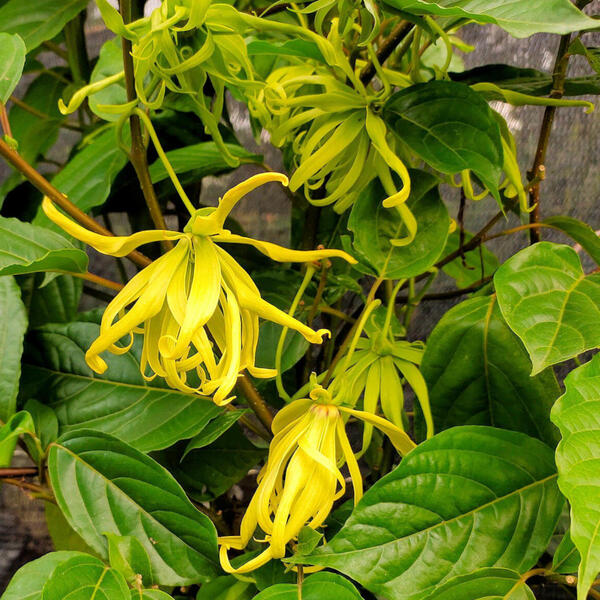
Ylang ylang essential oil is steam distilled from the fragrant flowers of the ylang ylang tree (Cananga odorata), which is native to the tropical regions of Southeast Asia and has been cultivated for centuries. Historically, its intensely fragrant blossoms were used in traditional ceremonies, perfumes, and botanical preparations throughout Indonesia, the Philippines, and surrounding regions. Today, ylang ylang essential oil is widely used in all-natural soaps, lotions, perfumes, massage oils, and aromatherapy blends, where it is prized for its rich, sweet floral aroma and exotic botanical heritage.
- INCI name: Cananga Odorata Flower Oil
- Ingredient type: Essential Oil
- Method(s) of extraction or purification: Steam-distilled from the fresh flowers
- Parts used: Flowers
- Aroma: Rich, exotic, sweet floral fragrance with creamy, tropical undertones.
- Key constituents: Linalool, benzyl acetate, germacrene, benzyl benzoate, beta-caryophyllene.
- Native region(s): Southeast Asia, especially the Philippines, Indonesia, and Madagascar.
Interesting Fact(s): Ylang-ylang is one of the key floral notes used in many iconic luxury perfumes, including Chanel No. 5.
Rosewood Essential Oil
Rosewood essential oil is steam distilled from the wood of the rosewood tree (Aniba rosaeodora), a tropical species native to the Amazon rainforest. Historically, rosewood became highly sought after for fine woodworking and perfumery, with its essential oil gaining prominence in the early 20th century for its delicate floral-woody fragrance. Indigenous peoples of the Amazon traditionally used rosewood for wound care, fevers, muscle aches, and respiratory complaints, while its fragrant wood was also valued in medicinal preparations. Rosewood essential oil is used in many of Silver Botanicals' all-natural formulations, where it is appreciated for its soft, rosy, woody aroma and distinctive botanical heritage. Because natural rosewood populations have declined, Silver Botanicals now source rosewood essential oil from sustainably managed plantations or use responsibly produced alternatives.
- INCI name: Aniba Rosaeodora Wood Oil
- Ingredient type: Essential Oil
- Method(s) of extraction or purification: Steam-distilled from the heartwood
- Parts used: Heartwood
- Aroma: Soft, sweet, floral, woody, and slightly rosy with gentle spice notes
- Key constituents: Linalool, alpha-terpineol, geraniol, nerol.
- Native region(s): Amazon rainforest of Brazil, Peru, French Guiana, and neighboring regions.
Interesting Fact(s): Rosewood has been prized for centuries in the construction of guitars, pianos, and other musical instruments, and many believe its rich tonal qualities help create music that inspires emotion and reflection.
Sage Essential Oil
Sage essential oil is steam distilled from the leaves of the common sage plant (Salvia officinalis), an aromatic herb native to the Mediterranean region that has been cultivated for more than 2,000 years. Historically, sage was used in European and Mediterranean herbal medicine to soothe sore throats, improve digestion, enhance memory, reduce excessive perspiration, and support women's health. becoming one of the most respected herbs in Mediterranean culture. Sage essential oil is included in several of Silver Botanicals' all-natural products where it is appreciated for its warm, herbaceous aroma and health benefits.
- INCI name: Salvia officinalis
- Ingredient type: Essential Oil
- Method(s) of extraction or purification: Steam-distilled from leaves and flowering tops
- Parts used: Leaves and flowering tops
- Aroma: Herbaceous, earthy, camphoraceous, and slightly spicy
- Key constituents: Thujone, camphor, borneol, camphene, and 1, 8-cineole
- Native region(s): Mediterranean region
Interesting Fact(s): The Latin name Salvia comes from salvare, meaning "to save" or "to heal."
Rosemary Essential Oil
Rosemary essential oil is steam distilled from the leaves of the rosemary plant (Salvia rosmarinus), an aromatic evergreen shrub native to the Mediterranean region that has been cultivated for thousands of years. Historically, rosemary was treasured by the ancient Greeks, Romans, and Egyptians for its fragrant aroma and was commonly used in ceremonies, culinary traditions, and herbal practices. Silver Botanicals' utilizes rosemary essential oil in many of its all-natural products, where it is valued for its fresh, herbaceous scent, invigorating sensory experience, and health and environmental benefits.
- INCI name: Rosmarinus Officinalis Leaf Oil
- Ingredient type: Essential Oil
- Method(s) of extraction or purification: Steam-distilled from flowering tops and leaves
- Parts used: Leaves and flowering tops
- Aroma: Fresh, herbaceous, camphoraceous, slightly woody, and invigorating.
- Key constituents: 1, 8-Cineole, camphor, alpha-pinene, borneol, verbenone
- Native region(s): Mediterranean Basin
Interesting Fact(s): Students in ancient Greece are said to have worn rosemary garlands while studying because the herb symbolized memory.
Geranium Essential Oil
Geranium essential oil is steam distilled from the leaves and flowers of the rose geranium (Pelargonium graveolens), a fragrant plant native to South Africa that has been cultivated around the world since the 17th century. Traditional African and European herbalists used geranium to help treat skin disorders, minor wounds, infections, and digestive complaints. Geranium essential oil is widely used in Silver Botanicals' all-natural products, where it is appreciated for its fresh, floral scent, skin-supporting properties and enduring botanical heritage.
- INCI name: Pelargonium Graveolens Oil
- Ingredient type: Essential Oil
- Method(s) of extraction or purification: Steam-distilled from the leaves and stems.
- Parts used: Leaves and stems
- Aroma: Fresh, rosy, green, lightly minty, and slightly citrus-like.
- Key constituents: Citronellol, geraniol, linalool, citronellyl formate, isomenthone.
- Native region(s): South Africa
Interesting Fact(s): Geranium oil is frequently used as a natural substitute or complement to rose oil because of its similar floral profile.
Geranium Bourbon Essential Oil
Geranium Bourbon essential oil is steam distilled from the leaves and flowers of the Bourbon variety of rose geranium (Pelargonium graveolens), cultivated primarily on Réunion Island, formerly known as Île Bourbon, in the Indian Ocean. Geranium Bourbon was traditionally valued for soothing skin irritations, supporting wound care, and promoting emotional well-being through its fragrance. Today, Silver Botanicals goes to great lengths to properly source and use geranium bourbon essential oil in particular all-natural formulations where it is valued for its soft, rose-like fragrance, premium botanical quality, and unique home and health benefits.
- INCI name: Pelargonium Graveolens Oil
- Ingredient type: Essential Oil
- Method(s) of extraction or purification: Steam-distilled from leaves and stems.
- Parts used: Leaves and stems
- Aroma: Rich, rosy, sweet, green, and slightly minty.
- Key constituents: Citronellol, geraniol, linalool, citronellyl formate.
- Native region(s): Originally South Africa; Bourbon geranium is primarily cultivated on Réunion Island.
Interesting Fact(s): Bourbon geranium is often considered one of the finest geranium oils because of its exceptionally balanced rosy fragrance.
Jasmine Absolute
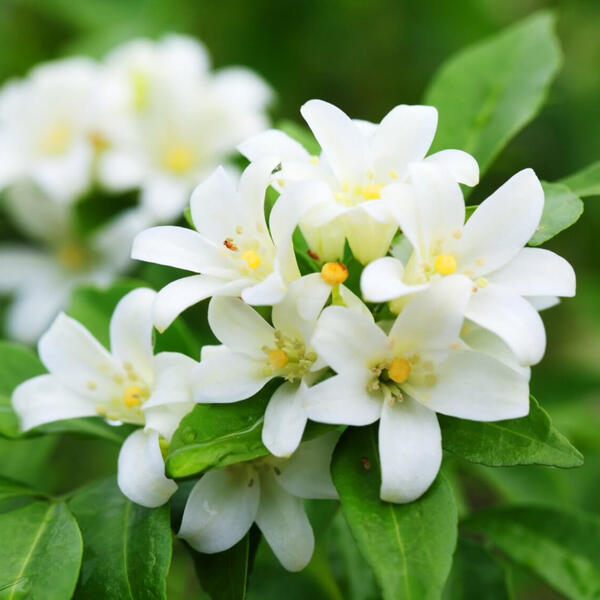
Jasmine absolute is extracted from the delicate flowers of the jasmine plant (Jasminum grandiflorum or Jasminum sambac), species native to Asia that have been cultivated for centuries in India, China, and the Middle East. Traditional Chinese, Indian, and Middle Eastern medicine used jasmine flowers to promote relaxation, improve mood, and support skin health.. Silver Botanicals uses jasmine absolute in our floral deodorant where it is prized for its rich floral aroma and timeless, skin-supporting botanical heritage.
- INCI name: Jasminum Grandiflorum Flower Extract
- Ingredient type: Botanical Extract
- Method(s) of extraction or purification: Solvent extraction
- Parts used: Flowers
- Key constituents: Benzyl acetate, linalool, indole, benzyl alcohol, jasmone.
- Native region(s): India, China, and Persia.
Interesting Fact(s): Jasmine flowers are typically harvested before sunrise because their fragrance is strongest during the night.
Zinc Oxide
Zinc oxide is a naturally occurring mineral compound derived from zinc, an essential element found throughout the Earth, and it has been used in various forms for thousands of years. Historically, zinc-containing minerals were valued by ancient civilizations for pigments, ointments, and practical applications, with zinc oxide becoming more widely produced through refining methods developed over time. Zinc oxide is used in all of Silver Botanicals' all-natural deodorants where it is appreciated as a mineral-based ingredient that contributes to effective deodorizing formulations.
- INCI name: Zinc Oxide
- Ingredient type: Inorganic mineral; physical UV filter / skin protectant
- Key constituents: Zinc Oxide (ZnO)
Interesting Fact(s): Zinc oxide is a “physical” UV filter that sits on the skin surface to reflect/scatter UV rather than absorbing it like many chemical filters
Lecithin (Sunflower)
Sunflower lecithin is a naturally occurring phospholipid extracted from sunflower seeds (Helianthus annuus), a plant native to North America that has been cultivated for centuries and is now grown worldwide. Historically, sunflowers were an important crop for many Indigenous peoples, who used the seeds for food, oil, and other practical purposes, while lecithin became widely utilized as natural extraction methods advanced. Silver Botanicals extensively uses sunflower lecithin its all-natural formulations where it serves as a natural emulsifier that helps blend oil- and water-based ingredients into smooth, stable formulations.
- INCI name: Lecithin
- Ingredient type: Emmulsifier
- Method(s) of extraction or purification: Extracted from seeds
- Parts used: Seeds
- Key constituents: A mixture of phospholipids (notably phosphatidylcholine) plus other minor constituents such as triglycerides and other accompanying fractions.
- Native region(s): North America
Interesting Fact(s): Sunflower lecithin is commonly used as a non-soy lecithin option for emulsification, and it’s produced as a byproduct of sunflower oil processing.
Colloidal Silver
Colloidal silver is made by dispersing microscopic particles of silver in purified water, building on the long history of silver as a naturally occurring element that has been valued by civilizations around the world for thousands of years. Historically, silver was used in ancient Egypt, Greece, Rome, and other cultures in vessels, utensils, and various traditional preparations because of its durability, value, and perceived ability to protect ones health. Colloidal silver is a cornerstone to all of Silver Botanicals' formulations, being featured in all of our all-natural, personal and household care products.
- INCI name: Colloidal Silver
- Ingredient type: colloid
- Key constituents: Nanosilver particles
Interesting Fact(s): In some cultures, silver is treated like a “protector” material. Beyond modern explanations, silver’s historical reputation for cleanliness and preservation fed into beliefs about warding off illness or decay. For example, silver was used for drinking vessels to reduce spoilage of stored liquids.
About Our Ingredients
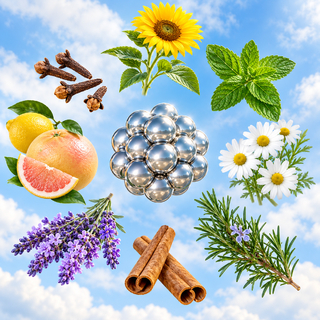
About Our Quality Standards
Silver Botanicals' products contain high quality (food grade or better; organic or wildcrafted, whenever available), all-natural, known-to-be safe (GRAS) ingredients. We never use synthetic ingredients, such as GMOs, petrochemicals, or highly-processed ingredients. We formulate and manufacture our products in our own facility and we do not outsource our production to third parties. We produce our own ultra pure water with an 8-stage, reverse osmosis system, that is free of virtually any contaminants. We do not conduct animal testing, or outsource any such tests (our products are "cruelty free").
We're more than happy to answer any specific questions. Feel free to contact us!
About Our Essential Oils
At Silver Botanicals we use pure, unadulterated, high quality, essential oils. This means that nothing has been added and nothing has been taken away. Our oils are mostly steam distilled, with a few oils that are absolutes, cold-pressed, or extracts. Our oils are organic and/or wildcrafted whenever possible. Our oils are selected with respect to their native regions of the world which impart their respective therapeutic value and potency.
Would you like to know more about essential oils?
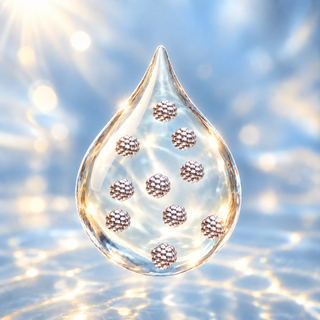
About Our Colloidal Silver
At Silver Botanicals we use true colloidal silver, which we source and manufacture. True colloidal silver is a refined suspension of silver nano particles in ultra pure water. These silver particles contain, on average, around 30 atoms (~0.65 nanometers in diameter). Our products contain between 10-30 ppm of true colloidal silver. Both the particle size and concentration are ideal for each product's intended use.
Would you like to know more about colloidal silver?
Your First Silver Shield Deodorant
We know our natural deodorant customers are sensitive about trying new body care products. We acknowledge and appreciate the fact that you are trying our product. We make every effort to ensure that our customers feel confident about their purchase and are diligent in addressing any questions and concerns you may have. Some individuals switching to natural products should expect to experience a period of detoxification when trying our deodorants for the first time. It is necessary for the old, toxic buildup of chemical products left behind in your system to be released through the pores, which may lead to temporary increase in underarm odor. This is natural. After a short period (a week or two) our deodorant should start keeping you smelling fresh and protected all day long.
Natural Deodorant Detoxification
Antiperspirants work in different ways. Some work by shrinking sweat glands, others work by clogging or shrinking the pores in your underarms. Many studies have shown that the aluminum compounds in conventional antiperspirants are not healthy, because they do not allow sweat glands to release necessary toxins. During detox some people get rashes, itchiness and discoloration. Hang in there. Also your lifestyle will affect how your body reacts and detoxes. If you are a smoker, eat spicy, packaged, or processed foods, or drink lots of soda or coffee it may take longer to detoxify. It will get better! Remember, always try a new deodorant product for a week or two before
you decide if it is good for you. If you’ve been using an antiperspirant, there is a build-up of dead skin cells and chemical residue under your arms. Before your shower, dry-brush your underarm skin to loosen any buildup and to gently increase circulation. In the shower, use an exfoliating bath mitt on your underarms. Do things to perspire! This will help get your sweat glands to function properly. You may notice your underarm sweat being a little thick. This is because the sweat glands in your armpits are different from others on your body. These glands excrete amino acids. Your glands haven’t been able to excrete these amino acids for a while, so there may be a buildup of mucous being released. Wear natural fibers to help the sweat evaporate! Hydrate yourself. If you really want to look after your health then doing things differently, finding a new path is often the way.
Underarm products matter
Silver Shield Deodorant FAQ
Will Silver Shield Deodorant stain my clothing?
No, Silver Shield Deodorant is non-staining and fully biodegradable. Its ingredients contain no dyes, or compounds that will harm your clothing or household fabrics.
How do you apply Silver Shield Deodorant?
The deodorant is in a liquid state and is applied using our roll-on or spray bottle. The application should only feel wet for a few moments before evaporation begins. If wetness continues, then you are most likely applying more deodorant than is needed.
Does Silver Shield Deodorant sting?
Our original Silver Shield Deodorant can sting individuals who have just shaved their underarms or those who have sensitive skin. We recommend waiting at least a couple hours before applying the deodorant after shaving. For those whose sensitive skin is irritated by our original formula, please try one of our two sensitive skin formulas. Our sensitive skin formulations have a reduced alkalinity and essential oil concentration. We have also removed some particular essential oils that are known to irritate some individuals.
Do you have a scentless version of your Silver Shield Deodorant?
Currently we do not have a scentless deodorant. However, our Silver Shield Deodorant - Sensitive Skin version has our mildest scent. We plan on developing a scentless version in the near future.
Is Silver Shield Deodorant an antiperspirant?
Silver Shield Deodorant is not an antiperspirant, per se, as it does not block pores -- which is the case with conventional antiperspirants through the employment of aluminum -- to reduce sweating. However, it does have a mild antiperspirant effect due to some essential oils that reduce pore size, plus moisture absorbing materials in the deodorant.
Will Silver Shield Deodorant work on existing odors?
Yes. Silver Shield Deodorant has an excellent ability to eliminate existing odors. Furthermore, when the deodorant is applied to existing odors it attacks the bacteria that produces them. In a way, it's almost as good as a shower.
How do I refill my roll-on bottle?
We have complete instructions on how to refill your Silver Shield Deodorant here.
How much deodorant should I apply?
Initially, you should apply enough deodorant to wet your entire underarm (usually around 3-5 stokes per arm). Deodorant should dry within 1-2 minutes. More or less can be used to meet your needs.
Is it easy to travel with Silver Shield Deororant?
Yes, Silver Shield Deodorant comes a size that is allowed on planes. However, it is important that the lid is tightly sealed. Try to store the deodorant in an upright position whenever posible as deodorant may leak out if lid is not tightened securely.
How long can I expect a bottle to last?
Typically, our 2-ounce bottles (roll-on or spray) contain enough deodorant for two months with daily use.
Why is Silver Shield Deodorant more expensive than my old, conventional deodorant?
Silver Shield Deodorant's price can be explained with one word: quality. We use ingredients that combine the marvels of mordern nano-technology with the wisdom of ancient therapeutic compounds. Along with other 100% natural ingredients, our formulation can not compete pricewise against petrochemicals & synthetics used in conventional deodorants. The differences are important, particularly when talking about a product that you apply daily. Silver Botanicals will continue to develop resources on our website to help individuals understand the importances of these differences when it come to your health.
On occasion, my roller can be difficult to roll, what should I do?
Hold the rollerball under warm flowing water and roll the ball with your hand to remove any solidified deodorant. This should remedy the problem. If the problem occurs on wet skin (after a shower) you should try to apply the deodorant after drying off, as dryer skin improves the efficiency of the applicator.
Does Silver Shield Deodorant contain any trace pesticides?
No, Silver Shield Deodorant's ingredients have been sourced from supplier who verify the absence of pesticides or other synthetic, agricultural residues.
How does colloidal nanosilver & essential oils help prevent me from smelling?
Colloidal nanosilver & select-essential oils are extremely powerful antimicrobial agents. They have been shown to effectively kill bacteria, fungus, molds, & viruses. Bacteria is primarily responsible for body odor. As these microbes metabolize the oils, proteins, and other organic compounds found in sweat, they release the malodorous compounds. Control the bacteria and you control the bad odors, leaving your natural scent which most people really like! Your natural scent is primarily a function of what you eat, so the better you eat the better you'll smell.
How long does the scent of Silver Botanicals' deodorants persist after applying?
Silver Shield Deodorants' scents are not intended to persist for an extended period of time. Typically, the scent is reduced to extremely low levels after 5 minutes. However, some of the base notes of the scent may persist for longer periods of time. These scents are undetectable during casual interactions with others.
My sprayer is clogged and does not spray. What's can I do?
If your sprayer clogs there are a few thing you can do to remedy it.
First, attempt to unclog it with these steps:
- Unscrew sprayer from your Silver Shield Deodorant bottle and rinse over warm water.
- Take a cup of warm water and submerge the sprayer, head-down, and let it soak for a few minutes.
- Use the same cup of warm water--which you might need to refresh if it's gone cold--and submerge the stem (the end where liquid is drawn from).
- Finally, gently pump the sprayer and allow warm water to pass through the nozzle until full spray-misting is observed.
Once you've restored normal spray-action, you're ready to reassemble and use your Silver Shield Deodorant again.
If at first this doesn't work, try to submerge your sprayer for a longer period of time. Hot water is fine to use as well.
If all else fails, we'll gladly send you a new sprayer. Simply contact us at 855-452-8847 or use our contact page.
Silver Shield Deodorant is Refillable!
It's economical, it's ecological and it's easy.
Silver Botanicals currently offers 2X Refills (4 oz) of our Silver Shield Deodorant. Our 2X Refills will refill your 2oz Silver Shield Deodorant, Roll-on or Spray-on, twice from a single refill bottle.
See our complete instructions on how to refill your Silver Shield Deodorant.
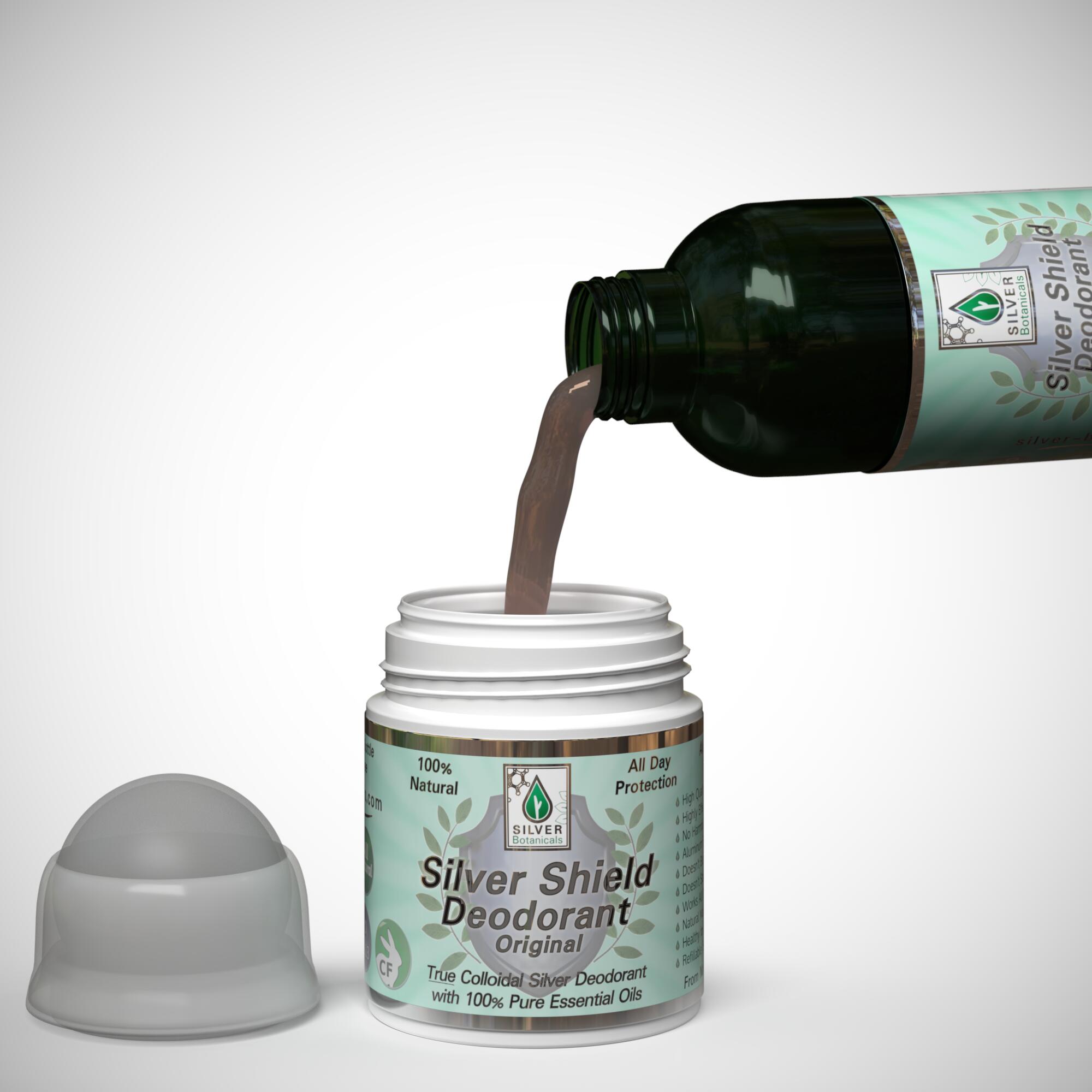
New! Pry Tool for easy Refilling of Roll-on applicators
This tool allows for easy removal of your Silver Shield Deodorant Roller Ball assembly - without the need for brute strength or much fuss!
Silver Shield Deodorant Roller Ball Pry Tool
Silver Shield Deodorant testimonials
Get a Sample Pack of Silver Shield Deodorant
Receive a sample pack of Silver Shield Deodorant (all three formulas - Original, Sensitive Skin and Floral Sensitive Skin formulas).
We're confident that Silver Shield Deodorant will work for you. Try a sample and we think you'll agree.
Once you recieve your sample pack of Silver Shield Deodorant:
Pour from the sample bottle a dime-sized amount of deodorant to the center of your palm. Then rub your palm against a single underarm. Repeat steps alternating to your opposite palm and opposite underarm. Please contact us if you have any problems.
Also, see our available Trial Sizes
Order Samples
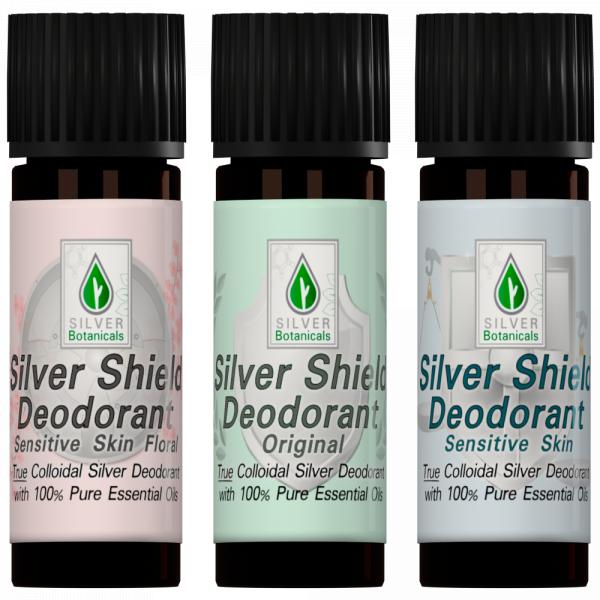
Silver Shield Deodorant Sample Pack
All three formulas ($4.50 USD)
- Cheryl (Email comment)
- Mariah (Email comment)
- Dani McDowell (Amazon review)
- Frank Lakeman "CanIbeFrank" (Amazon review)
- LovelyLynn (Amazon review)
- SevenStepsToHeaven (Amazon review)
- Dani McDowell (Amazon review)
- Brett Ritter (Amazon review)
- Anonymous Amazon Customer (Amazon review)
- Gerald Stapleton "turandot" (Amazon review)
- SuzFleeg (Amazon review)
- Brent in La Jolla and Austin (Amazon review)
- Chile Joe (Amazon review)
- Daryl M (Amazon review)
- Nursing2012 (Amazon review)
- Jeannon Kralj (Amazon review)
- W. Scott Horton (Amazon review)
- clatrice13 (Amazon review)
- TXMAN (Amazon review)
- Tara M. (Yelp review)
- Sandra A. (Email comment)
- Kaylee N. (Yelp review)
- Mica C. (Email comment)