Ingredients: Silver Tongue Oral Care
All-Natural, high quality ingredients
Including
- True Colloidal Nanosilver
- Xylitol (from birch trees)
- Grapefruit Seed Extract
- Organic Sunflower Lecithin
Plus, essential oils of
- Cinnamon
- Peppermint
- Rosemary
- Lemon
- Myrrh
- Thyme
- Clove
- Eucalyptus
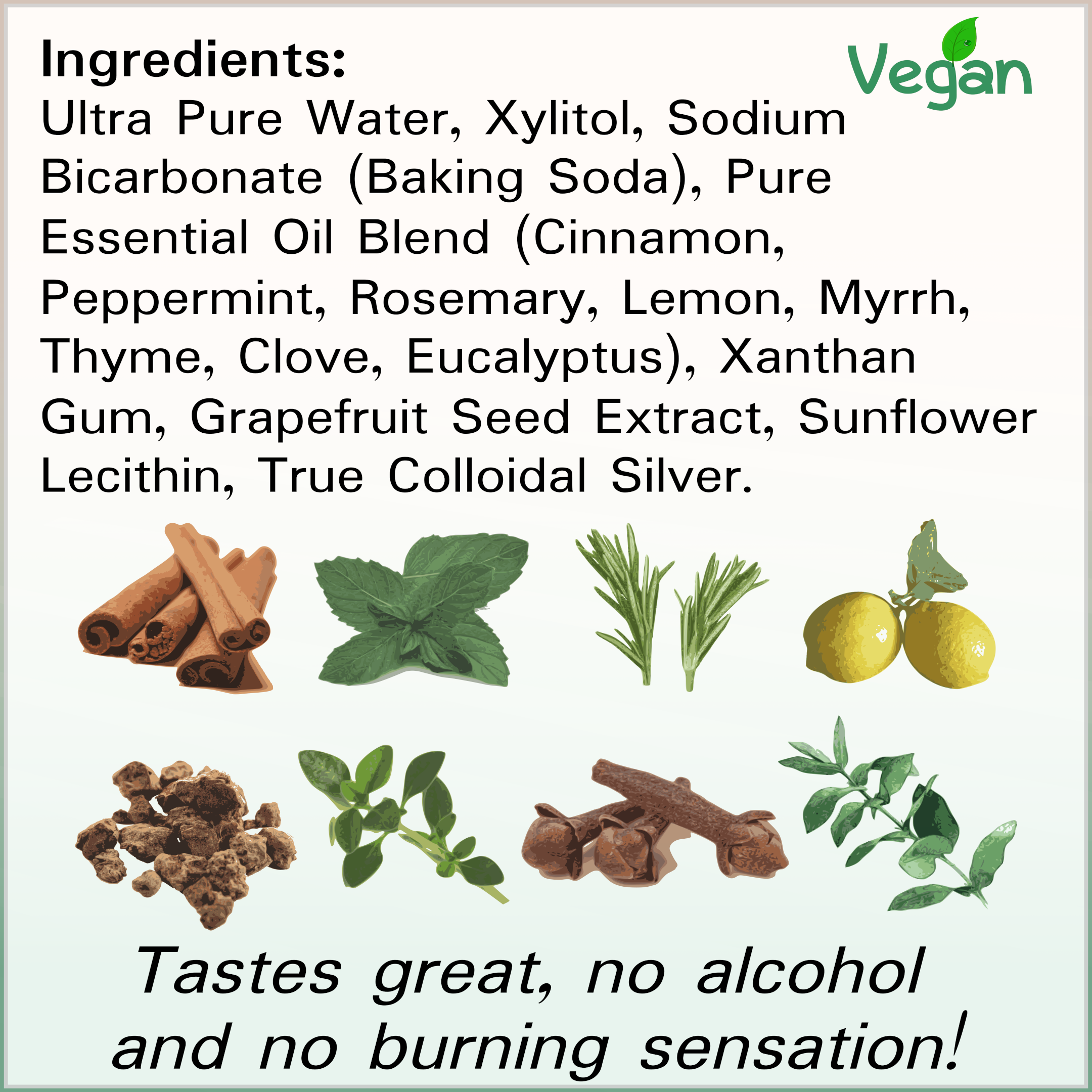
Silver Tongue Oral Care Ingredients Panel
Specific Ingredients List
Ultra Pure Water
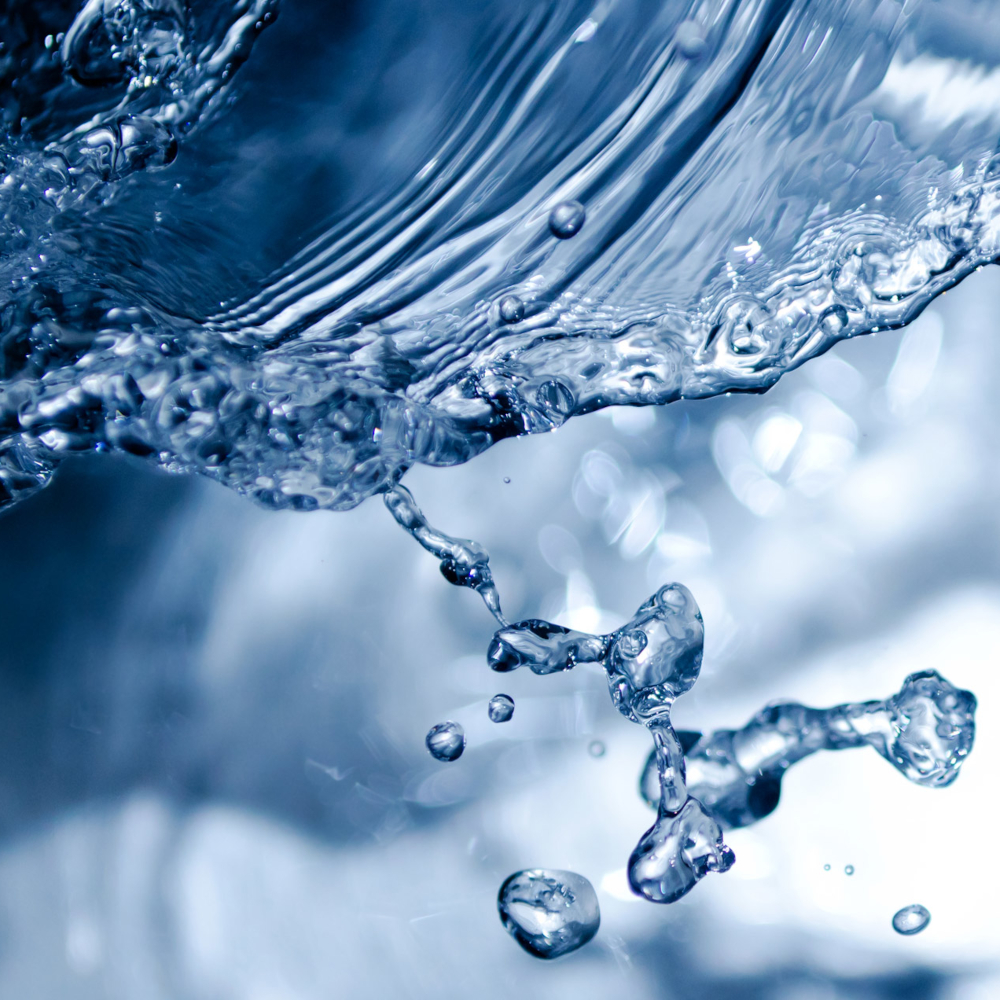
Ultra pure water begins as naturally sourced water that undergoes advanced purification to remove minerals and impurities, creating an exceptionally clean ingredient used in modern manufacturing. Throughout history, clean water has been essential in the preparation of soaps, herbal remedies, cosmetics, and other personal care products, with purification methods evolving as technology advanced. Today, ultra pure water is the foundation of many all-natural lotions, creams, soaps, shampoos, and botanical formulations, providing a clean, consistent base that supports product quality, stability, and performance.
- INCI name: Water
- Ingredient type: Solvent
- Method(s) of extraction or purification: Particulate Filtration, Activated Carbon Filtration, Reverse Osmosis Filtration, Ion Exchange Polishing, UV Disinfection
Xylitol
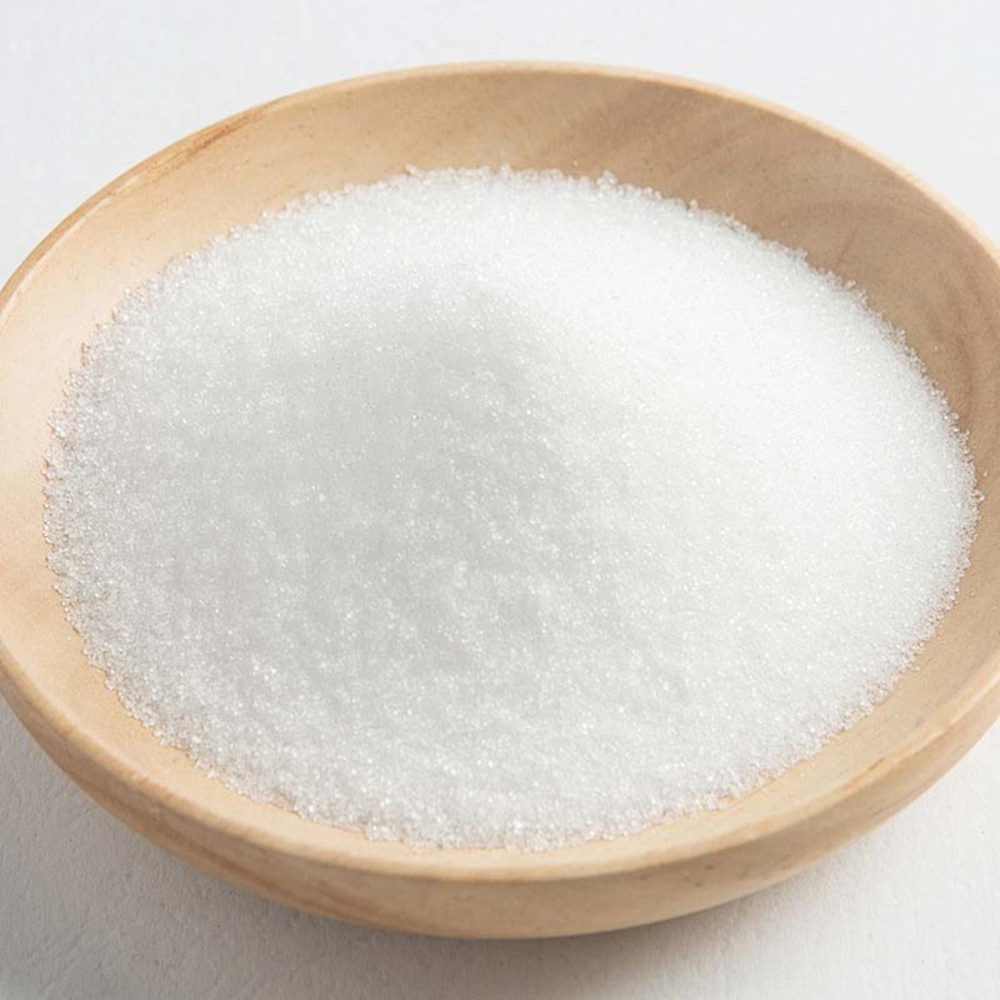
Xylitol is a naturally occurring sweetener found in small amounts in fruits, vegetables, and hardwood trees such as birch, and it has been used commercially since the late 1800s after being first identified by European scientists. Historically, it was produced from plant materials as a naturally derived alternative to traditional sweeteners and became increasingly popular in the mid-20th century. Today, naturally sourced xylitol is commonly used in all-natural toothpastes, oral care products, chewing gums, and mints, where it provides a pleasant sweetness without the use of refined sugar.
- Ingredient type: Sweetener
- Method(s) of extraction or purification: Xylose Extration, Hydrolysis, Purification, Hydrogenation
- Key constituents: sugar alcohol
Sodium Bicarbonate
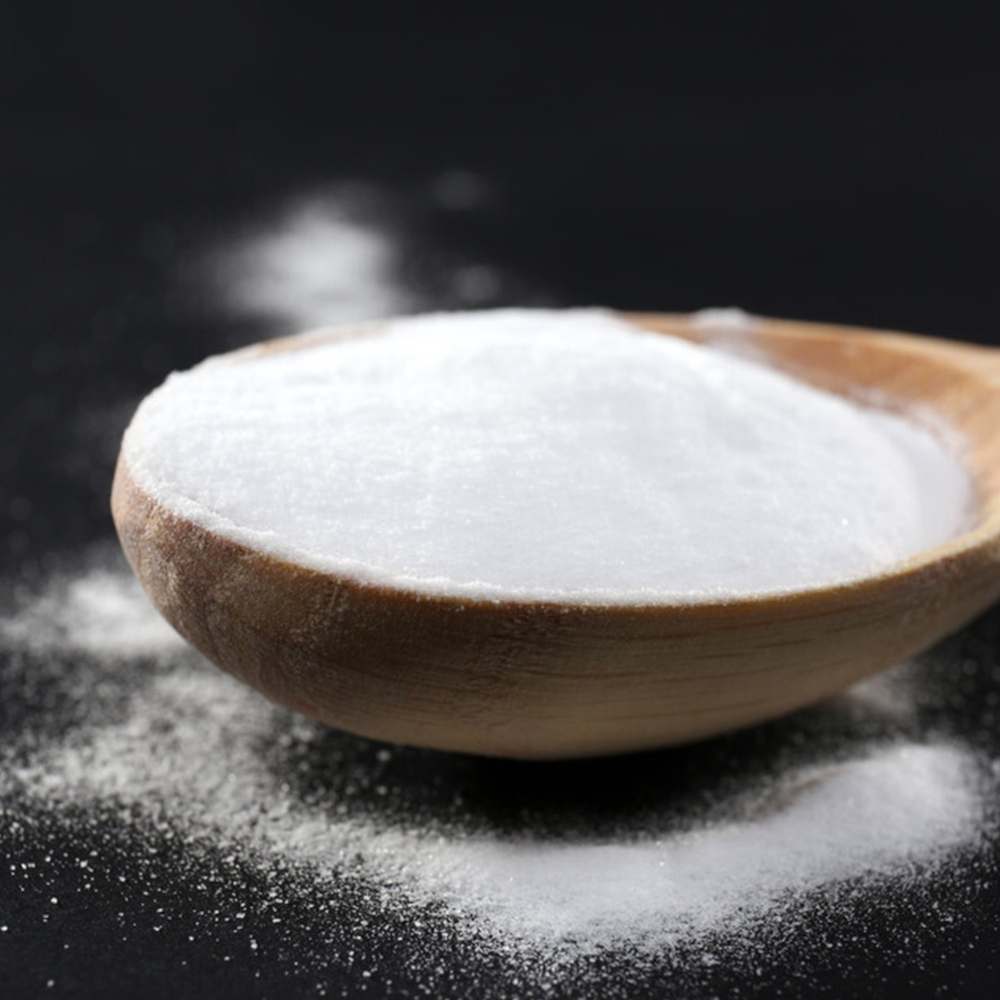
Sodium bicarbonate, commonly known as baking soda, is a naturally occurring mineral compound found in mineral springs and natural deposits, with its use dating back to ancient civilizations that relied on naturally alkaline minerals for cleaning and household purposes. Historically, it was valued for its versatility in cooking, cleaning, and personal care, becoming a staple ingredient in homes around the world. Today, sodium bicarbonate is widely used in all-natural toothpastes, deodorants, soaps, bath products, and household cleaners, where it serves as a gentle cleanser, deodorizer, and pH-balancing ingredient.
- INCI name: Sodium Bicarbonate
- Ingredient type: pH Aduster,deodorizer,cleanser
- Method(s) of extraction or purification: Solvay process
Cinnamon Bark Essential Oil
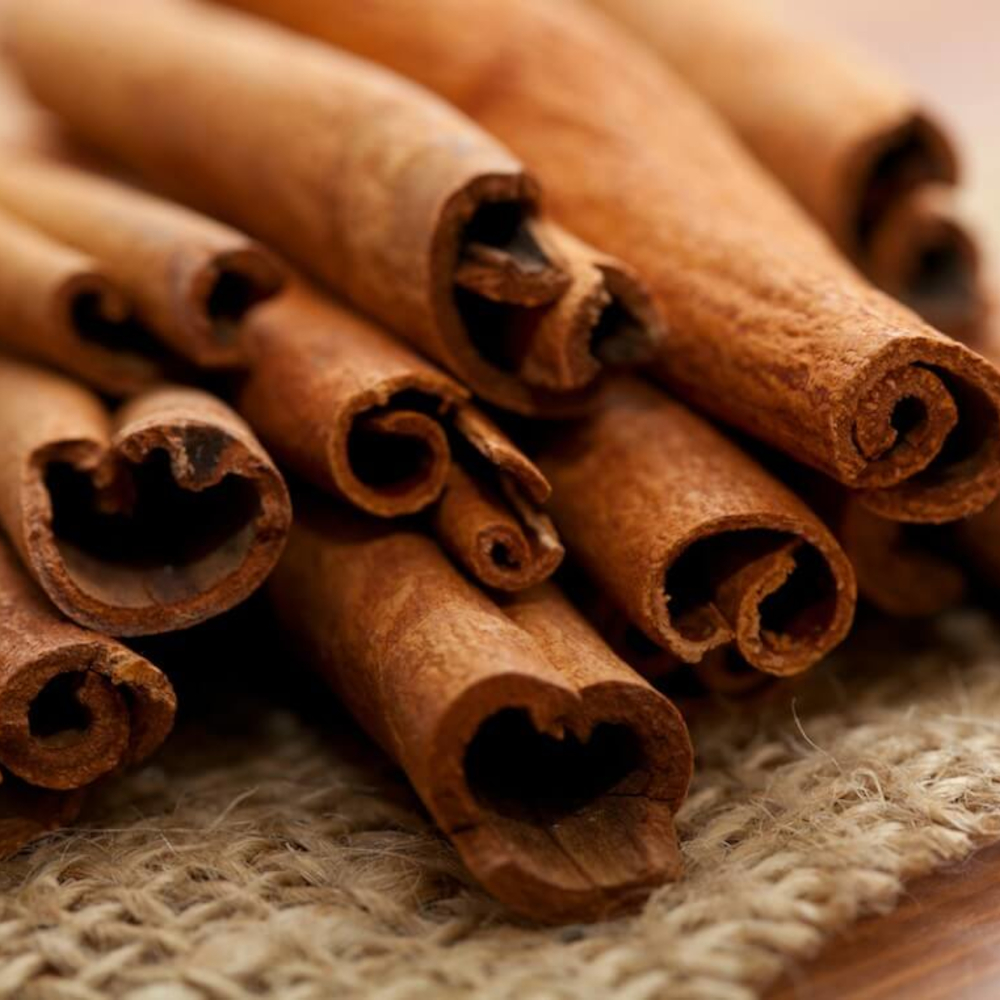
Cinnamon bark essential oil is steam distilled from the bark of the cinnamon tree (Cinnamomum verum), which is native to Sri Lanka and has been cultivated throughout South and Southeast Asia for thousands of years. In ancient civilizations, cinnamon was one of the world's most treasured spices, valued in Egypt for embalming and perfumes, traded along early spice routes, and used in traditional herbal practices across Asia and the Middle East.
- INCI name: Cinnamomum Zeylanicum Bark Oil
- Ingredient type: Essential Oil
- Method(s) of extraction or purification: steam distillation
- Parts used: Bark
- Key constituents: Cinnamaldehyde, eugenol, linalool, cinnamyl acetate.
- Native region(s): Sri Lanka
Interesting Facts: An interesting fact is that cinnamon was once considered so rare and valuable that it was often presented as a gift to royalty and was worth more than silver by weight in parts of the ancient world.
Peppermint Essential Oil
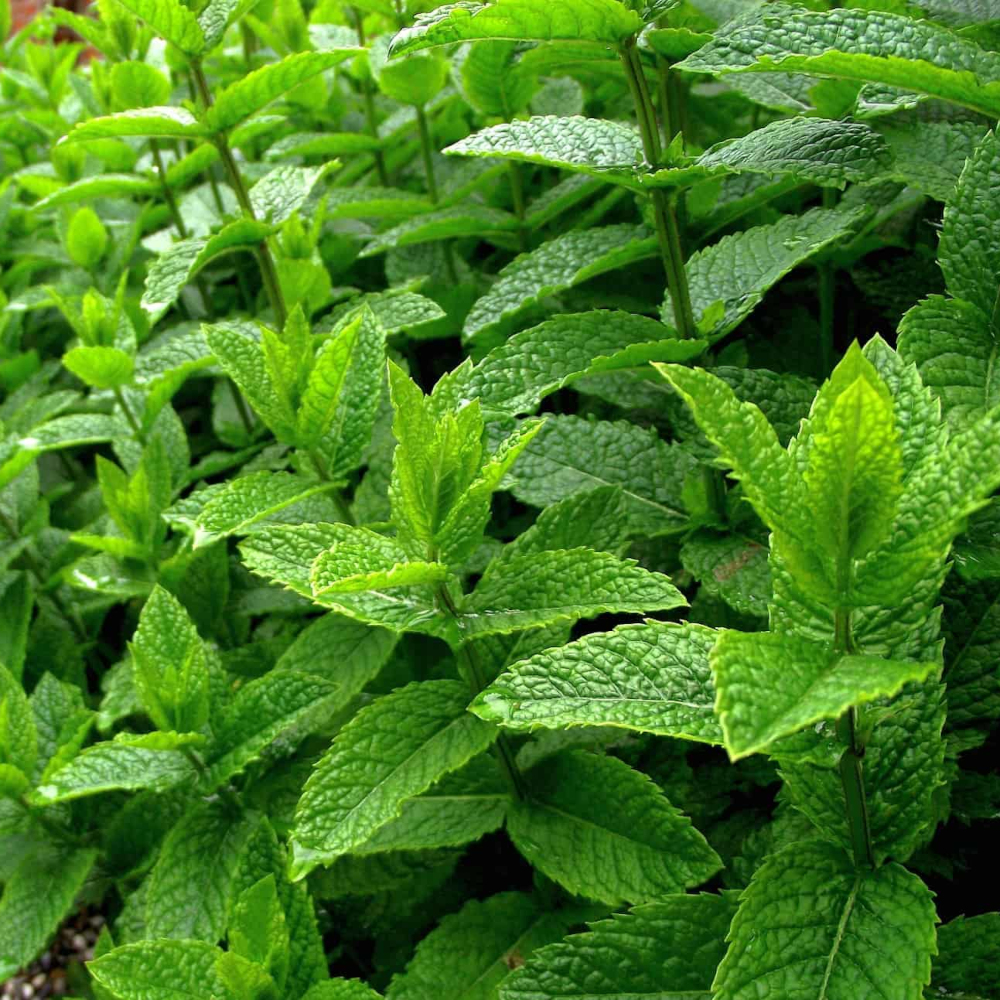
Peppermint essential oil is steam distilled from the leaves of the peppermint plant (Mentha × piperita), a natural hybrid of watermint and spearmint that has been cultivated in Europe and the Middle East since the 18th century. Historically, peppermint and other mint varieties were valued by ancient Egyptians, Greeks, and Romans for culinary, aromatic, and traditional herbal uses, with the essential oil becoming widely produced as cultivation expanded. Today, peppermint essential oil is a popular ingredient in all-natural toothpastes, soaps, shampoos, lip balms, and aromatherapy products, where it is appreciated for its crisp, refreshing aroma and cooling sensory experience.
- INCI name: Mentha Piperita Oil
- Ingredient type: Essential Oil
- Method(s) of extraction or purification: Steam-distilled of leaves.
- Parts used: Leaves
- Aroma: Bright, minty, crisp, cool, and refreshing.
- Key constituents: Menthol, menthone, menthyl acetate, 1, 8-cineole.
- Native region(s): riginally developed in England; now cultivated worldwide.
Interesting Facts: Peppermint is a natural hybrid between watermint and spearmint.
Rosemary Essential Oil
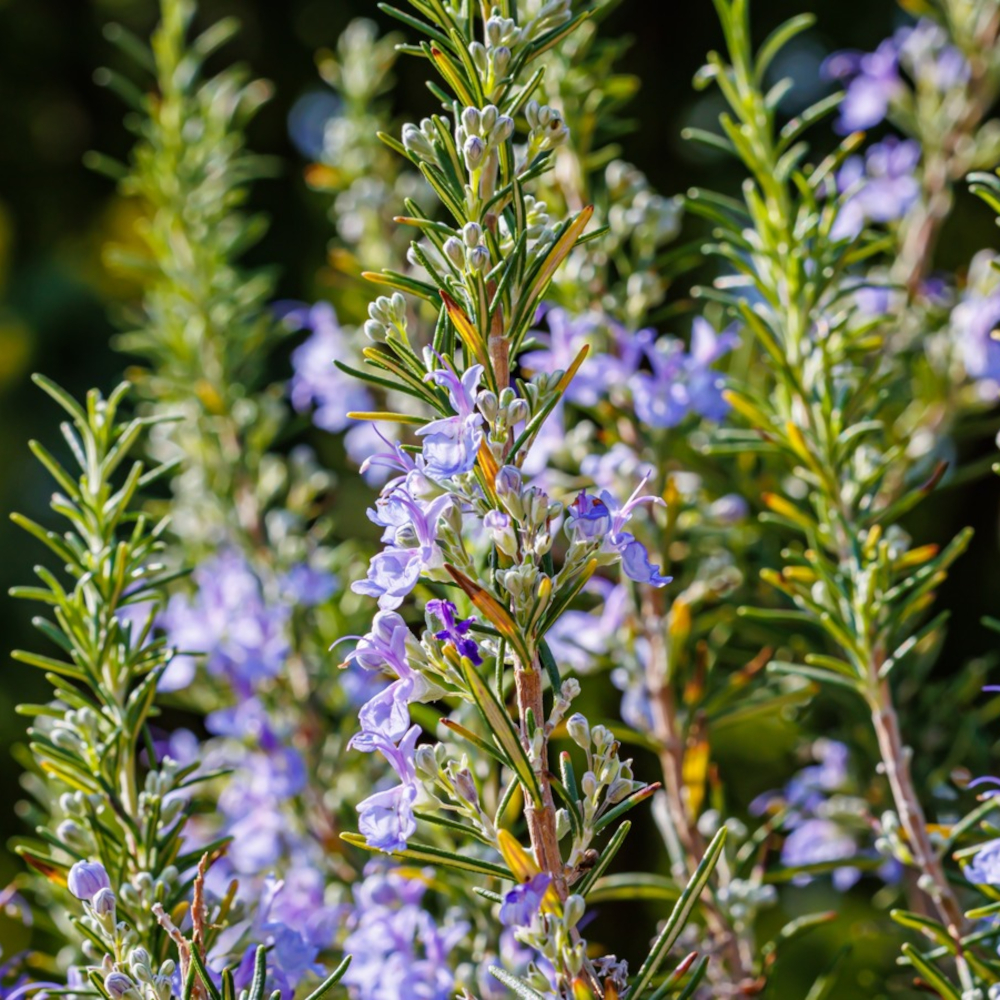
Rosemary essential oil is steam distilled from the leaves of the rosemary plant (Salvia rosmarinus), an aromatic evergreen shrub native to the Mediterranean region that has been cultivated for thousands of years. Historically, rosemary was treasured by the ancient Greeks, Romans, and Egyptians for its fragrant aroma and was commonly used in ceremonies, culinary traditions, and herbal practices. Today, rosemary essential oil is widely used in all-natural soaps, shampoos, lotions, massage oils, and aromatherapy products, where it is valued for its fresh, herbaceous scent and invigorating sensory experience.
- INCI name: Rosmarinus Officinalis (Salvia Rosmarinus) Leaf Oil
- Ingredient type: Essential Oil
- Method(s) of extraction or purification: Steam-distilled from flowering tops and leaves
- Parts used: Leaves and flowering tops
- Aroma: Fresh, herbaceous, camphoraceous, slightly woody, and invigorating.
- Native region(s): Mediterranean Basin
Interesting Facts: Students in ancient Greece are said to have worn rosemary garlands while studying because the herb symbolized memory.
Lemon Essential Oil
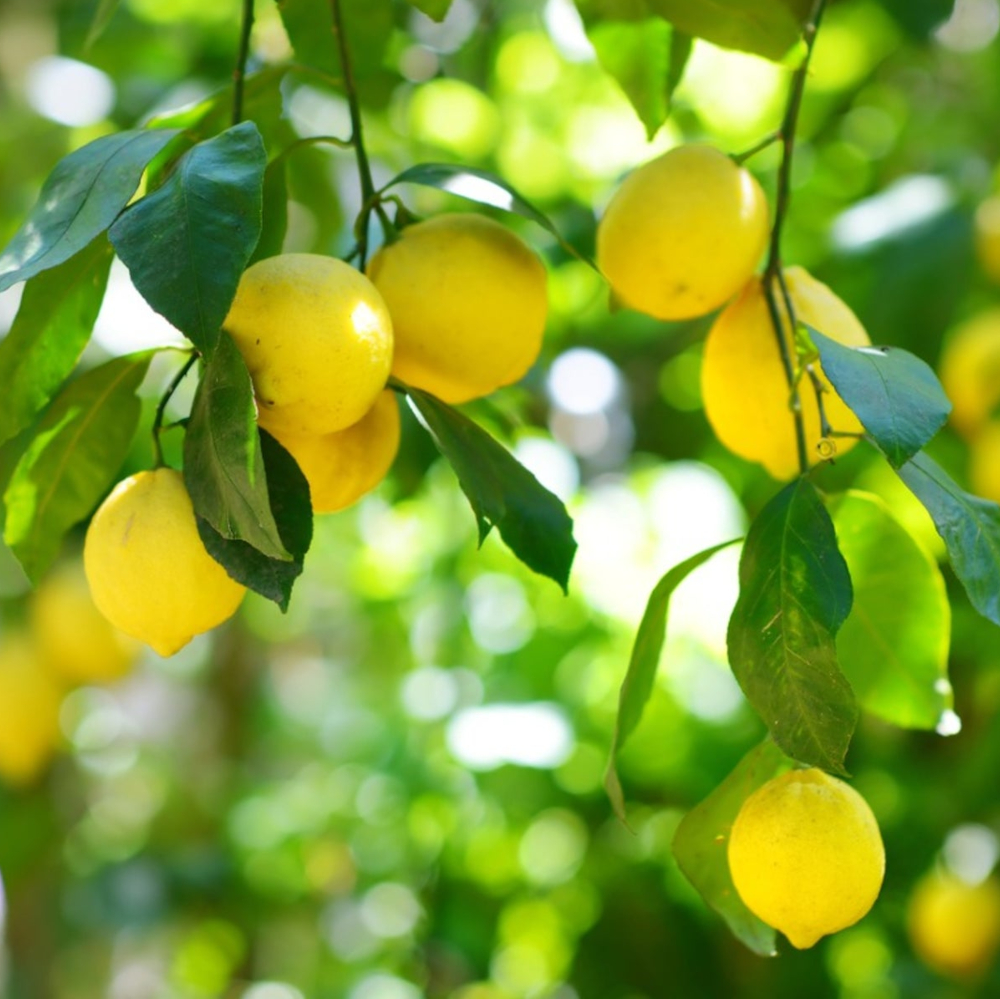
Lemon essential oil is cold pressed from the peel of the lemon (Citrus limon), a fruit believed to have originated in northeastern India before spreading throughout the Mediterranean and the rest of the world through trade and cultivation. Historically, lemons were prized for their bright fragrance, culinary versatility, and use in traditional household and herbal preparations across many cultures. Today, lemon essential oil is a popular ingredient in all-natural soaps, lotions, household cleaners, candles, and aromatherapy products, where it is valued for its fresh, uplifting citrus aroma and natural cleansing properties.
- INCI name: Citrus Limon Peel Oil
- Ingredient type: Essential Oil
- Method(s) of extraction or purification: Cold-pressed
- Parts used: Fruit Peel
- Aroma: Fresh, crisp, bright, juicy, and unmistakably lemon-like.
- Native region(s): Believed to have originated in India before spreading throughout Asia and the Mediterranean.
Interesting Facts: Nearly half of a lemon's aromatic compounds are concentrated in the peel rather than the juice.
Myrrh Essential Oil
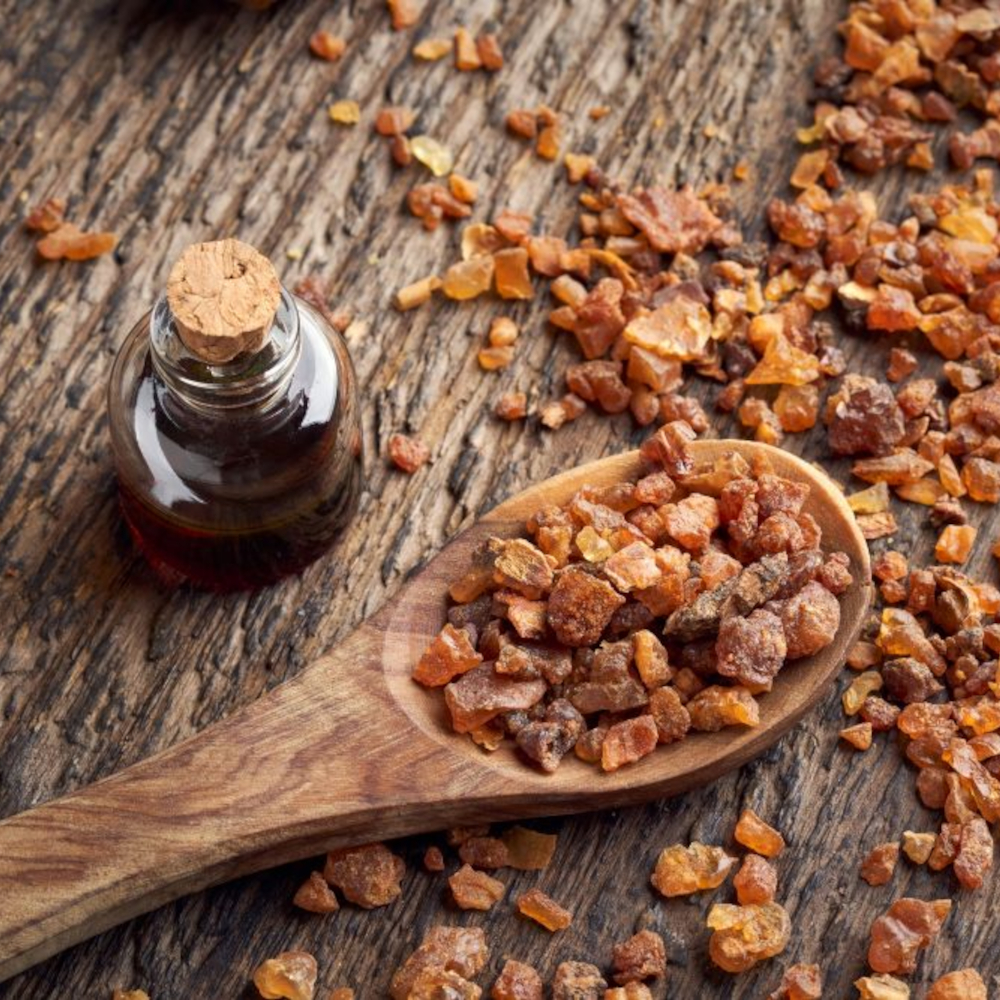
Myrrh essential oil is steam distilled from the resin of the myrrh tree (Commiphora myrrha), which is native to northeastern Africa and the Arabian Peninsula and has been harvested for more than 5,000 years. Historically, myrrh was one of the ancient world's most prized botanical resins, used by Egyptian, Greek, Roman, and Middle Eastern cultures in perfumes, incense, ceremonial practices, and traditional herbal preparations. Today, myrrh essential oil is featured in all-natural soaps, balms, salves, skin care products, and aromatherapy blends, where it is appreciated for its rich, earthy aroma and long tradition of botanical use.
- INCI name: Commiphora Myrrha Oil
- Ingredient type: Essential Oil
- Method(s) of extraction or purification: Steam distilled from myrrh oleo-gum resin
- Parts used: Resin (oleo-gum resin)
- Aroma: Warm, earthy/woody, and balsamic (often described as resinous, with a slightly smoky or medicinal-spiritual incense character).
- Key constituents: Furanoeudesma-1, 3-diene; furanodiene; lindestrene; plus related furanosesquiterpenes and sesquiterpenes depending on grade/adulteration/admixture.
- Native region(s): Native to arid regions of northeastern Africa / surrounding areas (commonly associated with Somalia/Ethiopia region in production).
Interesting Facts: Myrrh essential oil is typically obtained by steam distillation of the resin/gum, and the yield is relatively low compared with many other essential oils.
Thyme Essential Oil
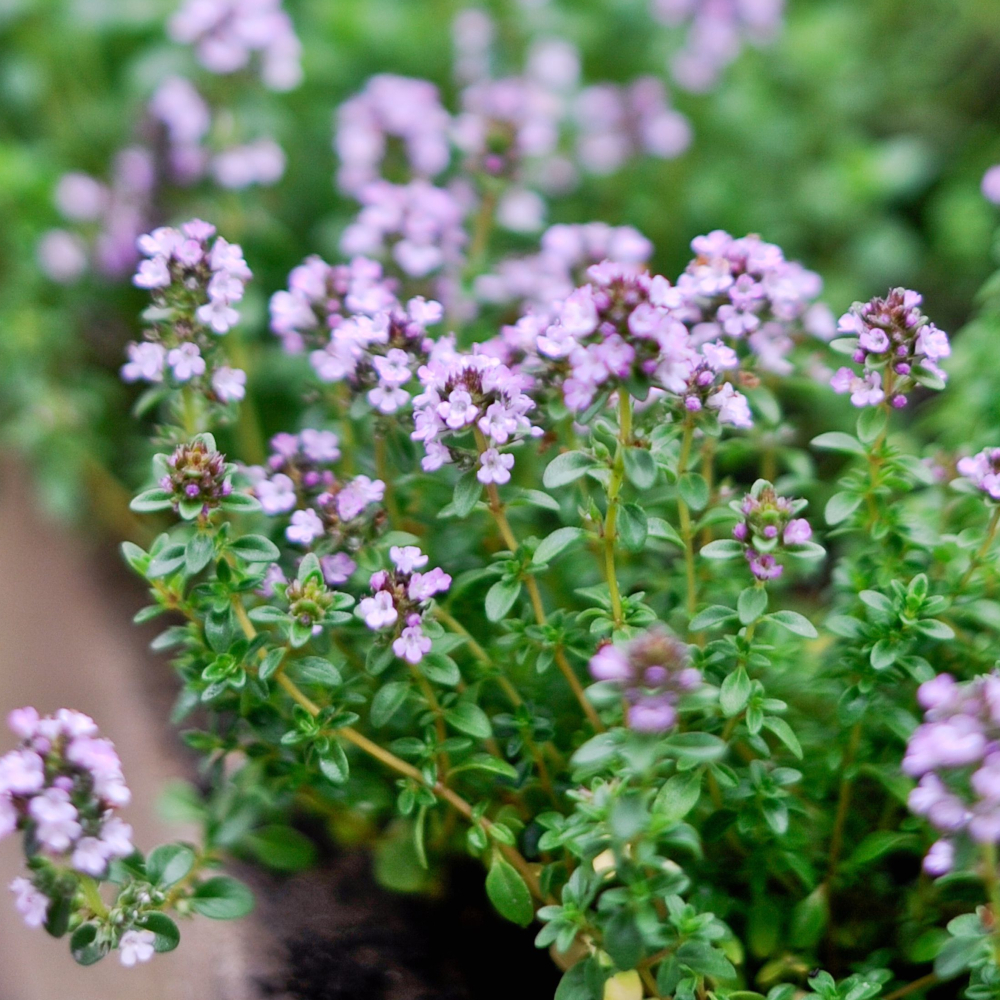
Thyme essential oil is steam distilled from the leaves and flowering tops of the thyme plant (Thymus vulgaris), a fragrant herb native to the Mediterranean region that has been cultivated for thousands of years. Historically, thyme was used by ancient Egyptians, Greeks, and Romans in culinary traditions, aromatic preparations, religious ceremonies, and traditional herbal practices. Today, thyme essential oil is used in all-natural soaps, skin care products, household cleaners, and aromatherapy blends, where it is valued for its warm, herbaceous aroma and its longstanding place in botanical traditions.
- INCI name: Thymus Vulgaris Flower/Leaf Oil
- Ingredient type: Essential Oil
- Method(s) of extraction or purification: Steam-distilled from flowering tops and leaves
- Parts used: Leaves and flowering tops
- Aroma: Strong, herbaceous, warm, and slightly spicy with medicinal undertones.
- Native region(s): Mediterranean Basin.
Interesting Facts: The name Thymus is believed to derive from the Greek word thymos, meaning "courage" or "strength," reflecting thyme's symbolic association with bravery.
Clove Essential Oil
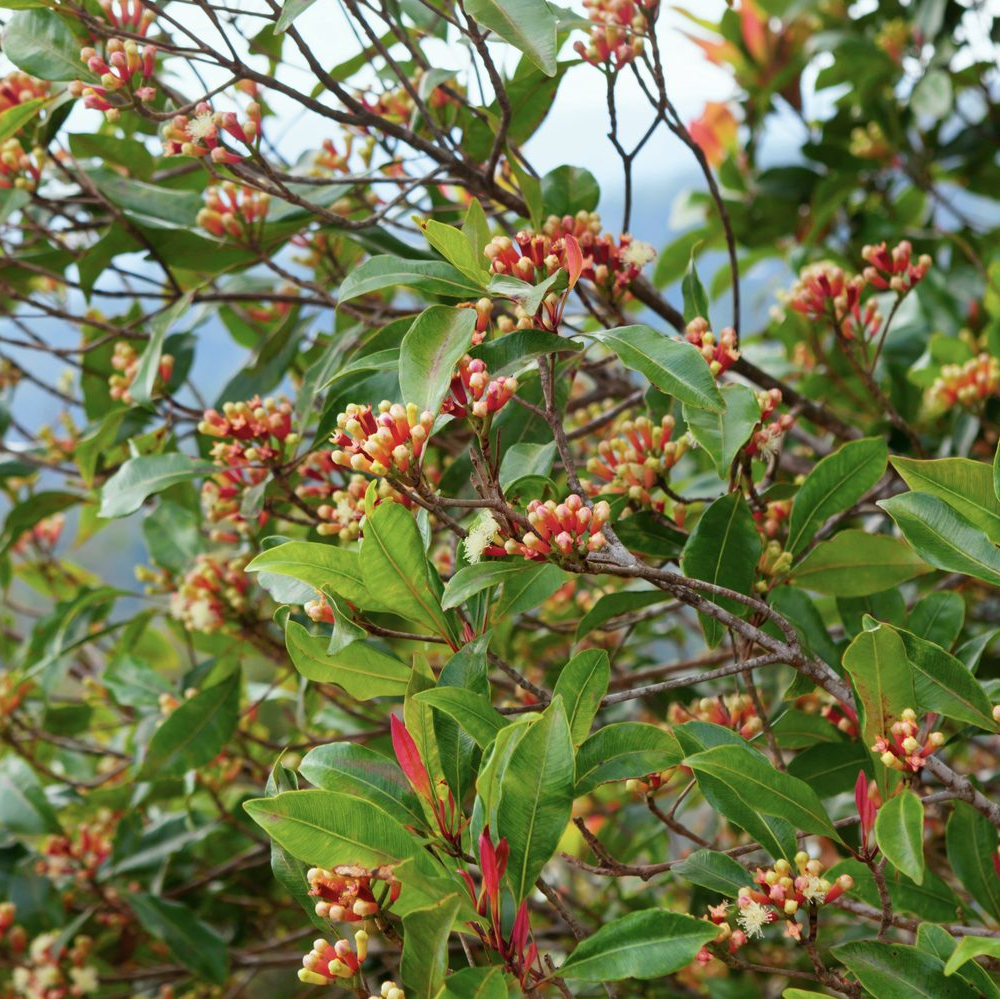
Clove essential oil is steam distilled from the flower buds of the clove tree (Syzygium aromaticum), an evergreen native to Indonesia's Maluku Islands, also known as the Spice Islands, where it has been cultivated for centuries. Historically, cloves were among the world's most valuable spices, traded along ancient maritime routes and prized in Asian, Middle Eastern, and European cultures for culinary, aromatic, and traditional herbal uses. Today, clove essential oil is widely used in all-natural toothpastes, soaps, candles, massage oils, and aromatherapy products, where it is valued for its warm, spicy aroma and rich botanical heritage.
- INCI name: Syzygium Aromaticum Bud Oil
- Ingredient type: Essential Oil
- Method(s) of extraction or purification: Steam-distilled from dried flower buds
- Parts used: Flower buds
- Aroma: Rich, warm, spicy, sweet, and unmistakably clove-like.
- Native region(s): Indonesia
Interesting Facts: Eugenol, the primary constituent of clove oil, is responsible for its characteristic aroma and is widely used in dentistry.
Eucalyptus Radiata Essential Oil
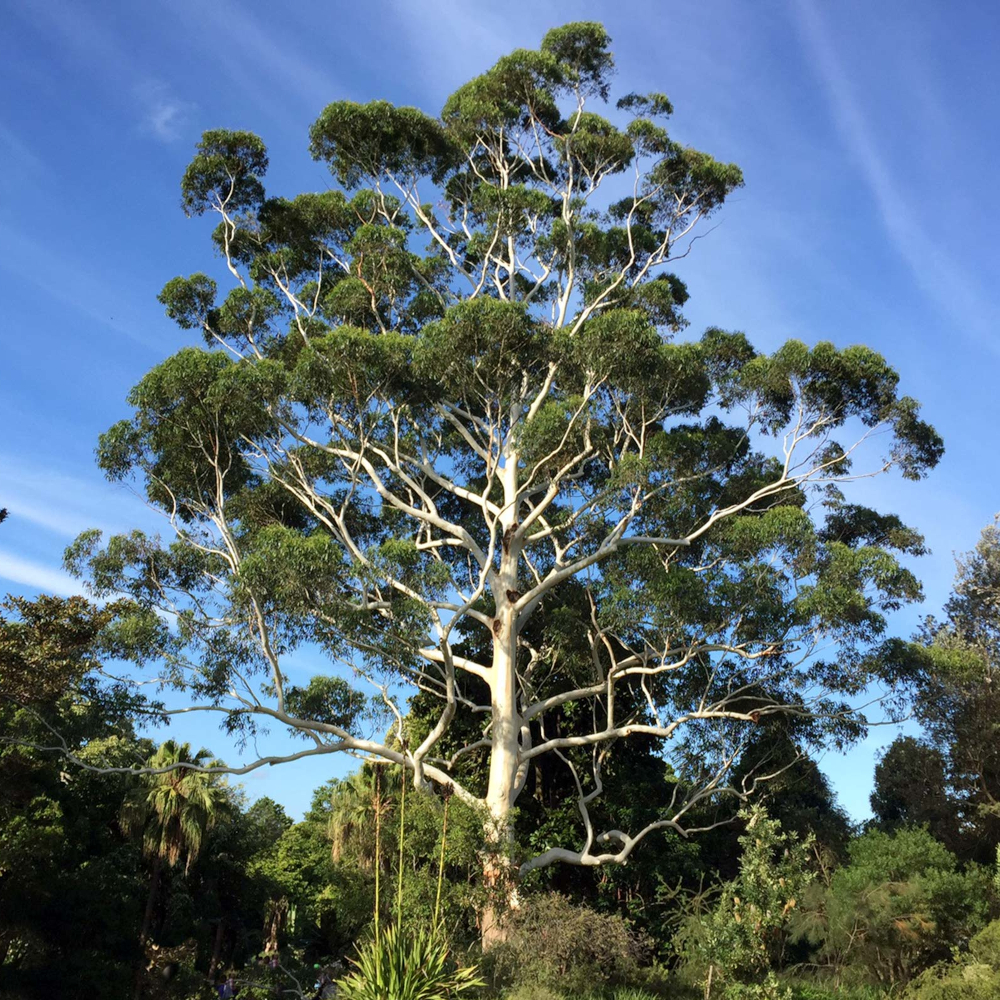
Eucalyptus radiata essential oil is steam distilled from the leaves of the Eucalyptus radiata tree, a species native to southeastern Australia that has been used by Indigenous Australians for generations. Historically, eucalyptus leaves were incorporated into traditional practices for their aromatic qualities, and the plant gained worldwide recognition as cultivation spread beyond Australia in the 19th century. Today, eucalyptus radiata essential oil is widely used in all-natural soaps, shower products, salves, household cleaners, and aromatherapy blends, where it is appreciated for its fresh, clean aroma and refreshing sensory experience.
- INCI name: Eucalyptus Radiata Leaf Oil
- Ingredient type: Essential Oil
- Method(s) of extraction or purification: Steam-distilled of leaves.
- Parts used: Leaves
- Aroma: resh, clean, gently camphoraceous, and slightly sweet.
- Native region(s): Australia
Interesting Facts: Radiata eucalyptus is often considered milder and sweeter in aroma than eucalyptus globulus.
Xanthan Gum
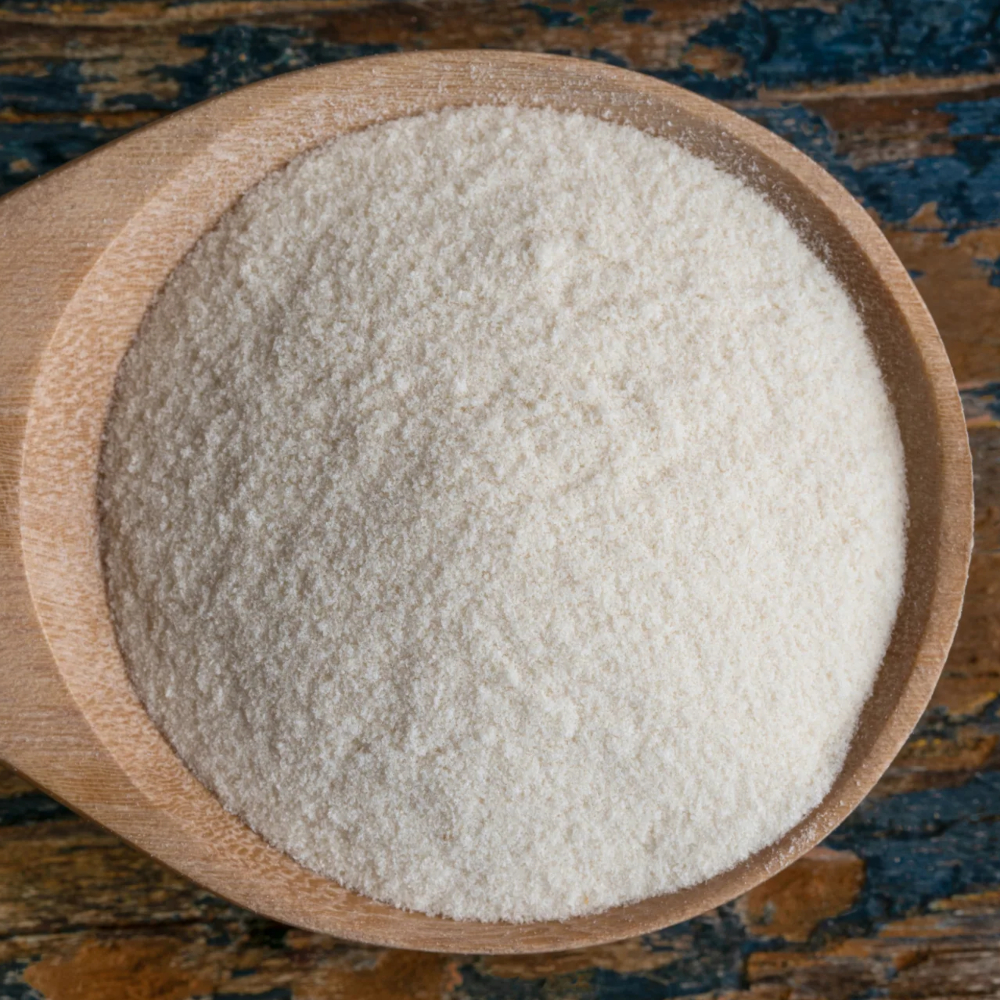
Xanthan gum is a naturally derived polysaccharide produced through the fermentation of plant-based sugars, a process discovered in the mid-20th century that utilizes naturally occurring microorganisms. Historically, fermentation has been used for thousands of years to create foods, beverages, and useful natural materials, with xanthan gum becoming an important innovation in modern food and personal care production. Today, xanthan gum is widely used in all-natural lotions, creams, gels, shampoos, soaps, and cosmetics, where it acts as a natural thickener and stabilizer to create smooth, consistent formulations.
- INCI name: Xanthan Gum
- Ingredient type: Polysaccharide; thickener and stabilizer (viscosity modifier; suspension stabilizer)
- Method(s) of extraction or purification: Produced by microbial fermentation using Xanthomonas campestris
- Key constituents: A high–molecular-weight polysaccharide composed of repeat units containing glucose, mannose, glucuronic acid, and side-chain acetyl/pyruvyl substitutions
Interesting Facts: It’s an anionic polysaccharide and is noted for stabilizing emulsions and suspensions across a broad pH/temperature range
Grapefruit Seed Extract
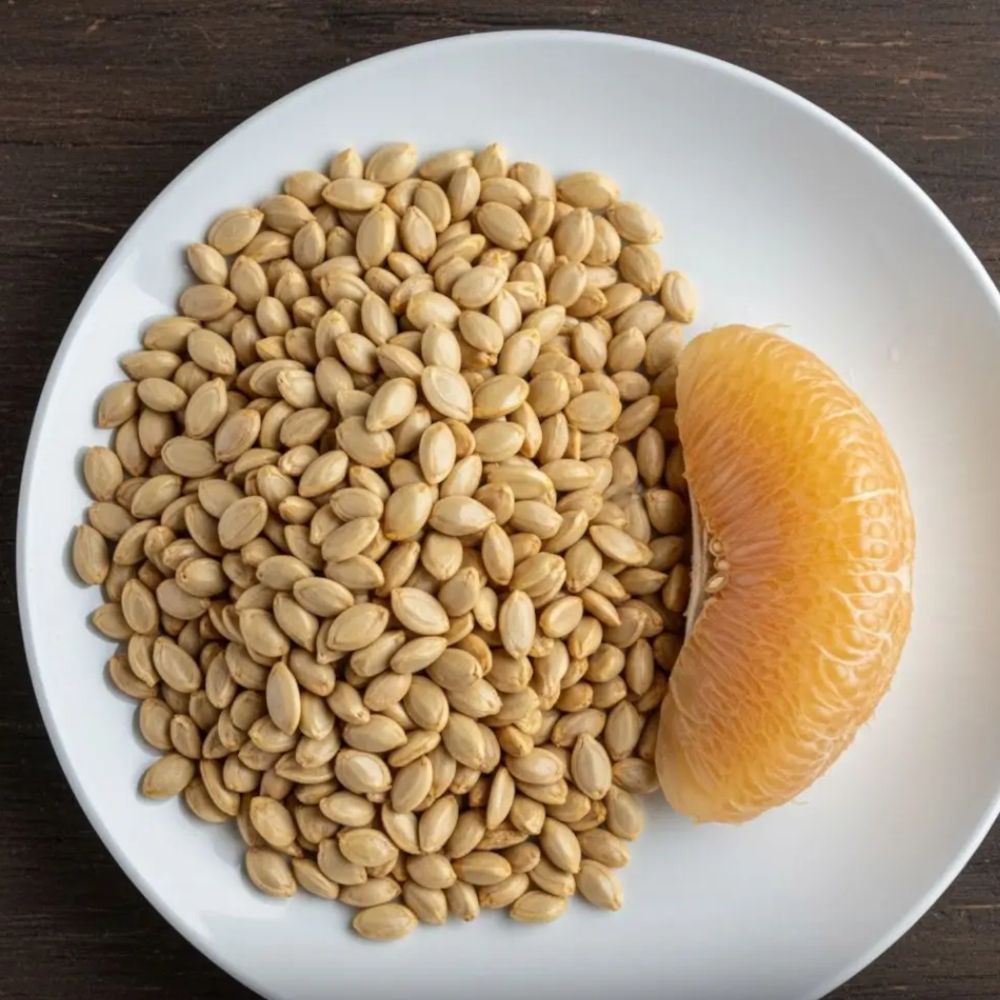
Grapefruit seed extract is derived from the seeds and pulp of the grapefruit (Citrus × paradisi), a citrus fruit that originated in the Caribbean during the 18th century as a natural hybrid between the pomelo and sweet orange. Historically, grapefruit was cultivated primarily for its flavorful fruit, while extracts from its seeds and pulp became more widely developed for commercial use during the late 20th century. Today, grapefruit seed extract is used in a variety of all-natural personal care products, soaps, cosmetics, and household formulations, where it is valued as a naturally derived botanical ingredient.
- INCI name: Citrus Grandis Seed Extract
- Ingredient type: Botanical Extract
- Method(s) of extraction or purification: Extracted from grapefruit seeds and pulp.
- Parts used: Seeds and pulp
- Aroma: Mildly citrusy with subtle bitter notes.
- Key constituents: Flavonoids, limonoids, vitamin C (trace), polyphenols.
- Native region(s): Grapefruit originated in the Caribbean as a natural citrus hybrid.
Interesting Facts: Some commercial grapefruit seed extracts contain added preservation compounds, making ingredient sourcing especially important.
Lecithin (Sunflower)
Sunflower lecithin is a naturally occurring phospholipid extracted from sunflower seeds (Helianthus annuus), a plant native to North America that has been cultivated for centuries and is now grown worldwide. Historically, sunflowers were an important crop for many Indigenous peoples, who used the seeds for food, oil, and other practical purposes, while lecithin became widely utilized as natural extraction methods advanced. Today, sunflower lecithin is commonly used in all-natural cosmetics, lotions, creams, lip balms, and food products, where it serves as a natural emulsifier that helps blend oil- and water-based ingredients into smooth, stable formulations.
- INCI name: Lecithin
- Ingredient type: Emmulsifier
- Method(s) of extraction or purification: Extracted from seeds
- Parts used: Seeds
- Key constituents: A mixture of phospholipids (notably phosphatidylcholine) plus other minor constituents such as triglycerides and other accompanying fractions.
- Native region(s): North America
Interesting Facts: Sunflower lecithin is commonly used as a non-soy lecithin option for emulsification, and it’s produced as a byproduct of sunflower oil processing.
Colloidal Silver
Colloidal silver is made by dispersing microscopic particles of silver in purified water, building on the long history of silver as a naturally occurring element that has been valued by civilizations around the world for thousands of years. Historically, silver was used in ancient Egypt, Greece, Rome, and other cultures in vessels, utensils, and various traditional preparations because of its durability and value. Today, colloidal silver is incorporated into select all-natural personal care products, soaps, sprays, and cosmetic formulations, where it is used as a mineral-based ingredient in modern botanical and natural product formulations.
- INCI name: Colloidal Silver
- Ingredient type: colloid
- Key constituents: silver, water
Interesting Facts: Silver was historically used to line drinking vessels because it helped reduce spoilage of stored liquids.
About Our Ingredients
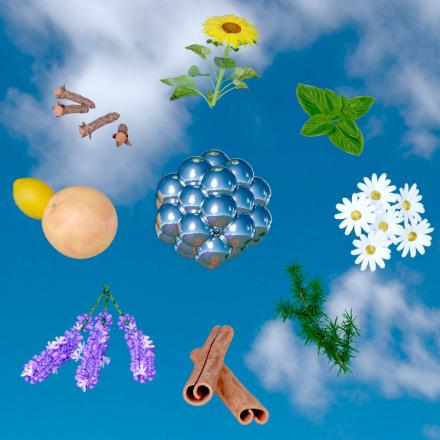
About Our Quality Standards
Silver Botanicals' products contain high quality (food grade or better), all-natural, known-to-be safe (GRAS) ingredients. We never use synthetic ingredients. This includes GMOs, petrochemicals, or highly-processed ingredients. We formulate and manufacture our products in our manufacturing facility and never contract out our production to third-party manufacturers. We use ultra pure water made with an 8-stage, reverse osmosis process, which is free of virtually any contaminants. We do not conduct animal testing, or outsource any such tests (our products are "cruelty free").
We're more than happy to answer any specific questions. Feel free to contact us!
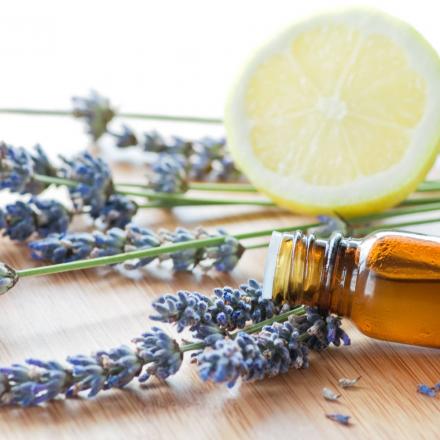
About Our Essential Oils
At Silver Botanicals we use pure, unadulterated, high quality, essential oils. This means that nothing has been added and nothing has been taken away. Our oils are mostly steam distilled, with a few oils that are absolutes, cold-pressed, or extracts. Our oils are organic and/or wildcrafted whenever possible. Our oils are selected with respect to their native regions of the world which impart their respective therapeutic value and potency.
Would you like to know more about essential oils?
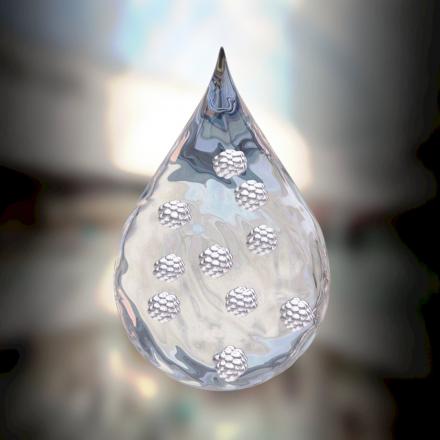
About Our Colloidal Silver
At Silver Botanicals we use true colloidal silver, which we source and manufacture. True colloidal silver is a refined suspension of silver nano particles in ultra pure water. These silver particles contain, on average, around 30 atoms (~0.65 nanometers in diameter). Our products contain between 10-30 ppm of true colloidal silver. Both the particle size and concentration are ideal for each product's intended use.
Would you like to know more about colloidal silver?